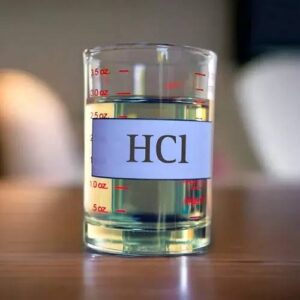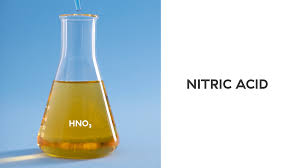
Global Reach, Superior Quality: SNDB’s Leadership in Nitric Acid ExportingCategoriesNitric Acid

Global Reach, Superior Quality: SNDB’s Leadership in Nitric Acid Exporting

Nitric acid is a significant industrial chemical used across several sectors, including fertilizers, medicines, dyes, explosives, rubber processing, and metallurgy. One business has become a reputable worldwide brand in a sector where the need for high-purity chemicals is expanding quickly: SNDB, India’s top producer, supplier, and exporter of nitric acid. SNDB has established a significant global presence in the chemical export sector thanks to its strong manufacturing capabilities and unwavering dedication to quality.

1. High-Purity Nitric Acid for Diverse Industrial Needs

The key factor behind SNDB’s success is its capacity to supply constant, high-purity nitric acid adapted to varied industrial requirements. The company’s superior production process assures exact composition, minimal impurity levels, and compliance with global safety requirements.

Industries rely on SNDB’s nitric acid for:

  • Fertilizer manufacturing
  • Pharmaceutical intermediates
  • Metal refining and surface treatment
  • Dye and pigment production
  • Rubber processing chemicals
  • Explosives and propellants

The versatility of these applications positions SNDB as a crucial partner for manufacturers worldwide.

2. Advanced Manufacturing Infrastructure

Modern manufacturing systems, automated quality control, and sustainable operations are all features of SNDB’s production facilities. Every batch undergoes extensive quality assurance methods to assure uniformity and performance.

Key strengths include:

  • Automated production technology
  • Stringent testing and R&D
  • Batch traceability and documentation
  • Compliance with safety and environmental standards

This infrastructure helps SNDB maintain world-class standards while scaling operations to meet increasing demands.

3. Strong Global Distribution Network

SNDB’s dependable and effective export network is one of its main features. The company supplies nitric acid to important markets, guaranteeing timely shipments, streamlined logistics, and secure packaging to maintain product stability.

Its export services are designed to meet:

  • Bulk industrial supply requirements
  • Customized packaging solutions
  • International shipping and documentation
  • Compliance with global chemical regulations

This international reach distinguishes SNDB from many regional manufacturers.

4. Commitment to Quality, Safety, and Compliance

Exporting and producing chemicals require strict safety regulations. SNDB adopts a proactive approach by integrating environmental and safety regulations into every step of manufacturing and supply.

The company follows:

  • ISO and regulatory compliance
  • Safe handling and transportation standards
  • Sustainable waste and emission control practices

This commitment strengthens buyer confidence and supports long-term global partnerships.

5. Customer-Centric Solutions and Technical Support

Beyond manufacturing, SNDB provides technical support, product customization, and documentation assistance to help clients achieve difficult industrial requirements. The organization is committed to establishing connections based on operational excellence and trust.

Its customer-focused services include:

  • Tailored concentration levels
  • MSDS and product certifications
  • On-demand bulk supply
  • Responsive customer assistance

This approach has earned SNDB a loyal customer base in both domestic and international markets.

6. Driving Growth through Innovation

To increase the sustainability, purity, and efficiency of its nitric acid production, SNDB keeps funding research and development. The company aspires to produce solutions that not only fulfill present needs but also boost future industrial capacities.

Innovative efforts include:

  • Energy-efficient production processes
  • Waste reduction technologies
  • Enhanced purity formulations
  • Automation and digital monitoring

Through innovation, SNDB is setting benchmarks for chemical manufacturing excellence.

SNDB’s position as a major nitric acid exporter is built on a foundation of excellent quality, robust infrastructure, worldwide supply capabilities, and customer-centric services. SNDB distinguishes out for its dedication to performance, purity, and international standards as companies throughout the world look for trustworthy chemical collaborations.

With excellent goods and a far-reaching distribution network, SNDB is not only satisfying worldwide demand—it is shaping the future of nitric acid manufacturing and delivery.
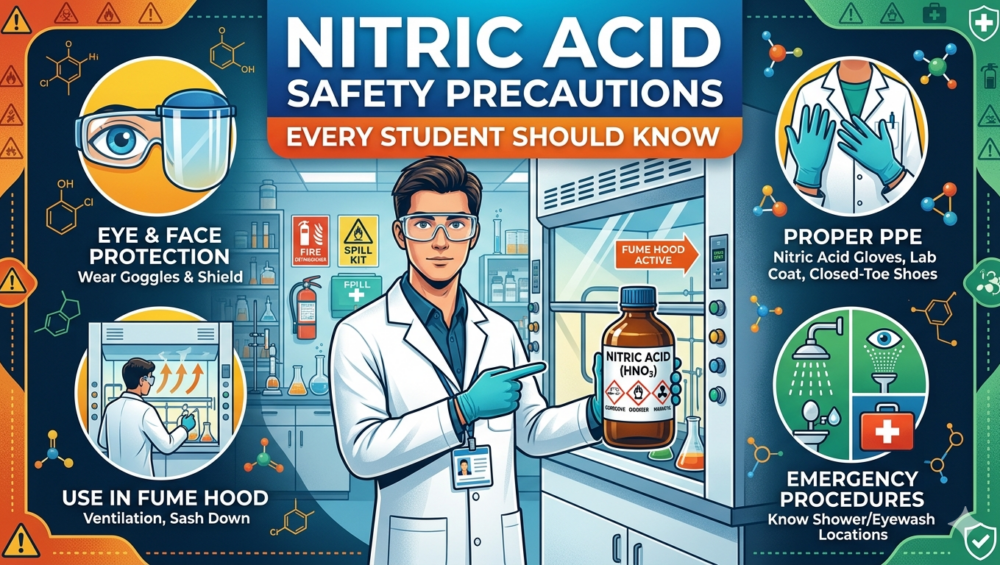
Nitric Acid Safety Precautions Every Student Should KnowCategoriesNitric Acid

Nitric Acid Safety Precautions Every Student Should Know

Nitric Acid is one of the most widely used industrial and laboratory chemicals. It plays an essential role in fertilizer production, metal processing, pharmaceuticals, dyes, and scientific research. Because of its highly corrosive and reactive nature, students and laboratory beginners must understand the correct safety practices before handling it.

As a trusted supplier and manufacturer, SNDB emphasizes safe chemical handling and responsible laboratory practices for educational institutions and industrial users alike.

What Is Nitric Acid?

Nitric Acid is a strong mineral acid with the chemical formula HNO₃. It is colorless when pure but may appear yellow due to decomposition into nitrogen oxides. The acid is highly corrosive and can react violently with certain substances.

Why Safety Is Important

Improper handling of Nitric Acid can cause:

  • Severe skin burns
  • Eye damage
  • Respiratory irritation
  • Toxic fumes
  • Chemical reactions or explosions when mixed incorrectly

Students working in chemistry laboratories should always follow standard laboratory safety procedures.

Essential Nitric Acid Safety Precautions

1. Wear Proper Protective Equipment

Always use:

  • Chemical-resistant gloves
  • Safety goggles or face shields
  • Laboratory coats
  • Closed-toe shoes

Protective equipment reduces the risk of burns and accidental exposure.

2. Work in a Well-Ventilated Area

Nitric Acid releases harmful fumes that may irritate the lungs and respiratory system. Laboratories should use proper ventilation systems or fume hoods during experiments.

3. Never Touch Nitric Acid Directly

Even small amounts can damage the skin. If accidental contact occurs:

  • Rinse immediately with plenty of water
  • Remove contaminated clothing
  • Seek medical attention if irritation continues

4. Always Add Acid to Water

When diluting:

  • Add acid slowly to water
  • Never pour water into acid

This prevents dangerous splashing and heat generation.

Dilution Safety Formula

The heat released during dilution can increase rapidly with concentration changes:

HNO3+H2O→Diluted Solution+HeatHNO_3 + H_2O \rightarrow \text{Diluted Solution} + \text{Heat}HNO3​+H2​O→Diluted Solution+Heat

Careful dilution procedures help avoid burns and chemical accidents.

5. Store Properly

Store Nitric Acid:

  • In tightly sealed containers
  • Away from sunlight and heat
  • Separate from organic materials and metals

Proper storage minimizes chemical reactions and leakage risks.

6. Avoid Mixing with Incompatible Chemicals

Nitric Acid reacts strongly with:

  • Alcohols
  • Organic compounds
  • Reducing agents
  • Certain metals

Incorrect mixing may produce toxic gases or explosions.

7. Learn Emergency Procedures

Students should know:

  • Location of eyewash stations
  • Emergency shower procedures
  • Spill response methods
  • Laboratory evacuation plans

Preparedness can reduce injuries during accidents.

Common Laboratory Uses of Nitric Acid

Nitric Acid is commonly used for:

  • Chemical analysis
  • Metal etching
  • Fertilizer manufacturing
  • Academic chemistry experiments
  • Industrial cleaning

Because of these wide applications, safety training is essential for every science student.

Choosing a Reliable Nitric Acid Supplier

High-quality chemicals are critical for safe laboratory and industrial operations. SNDB is recognized for providing reliable chemical solutions, consistent product quality, and professional manufacturing standards for educational and industrial applications.

Understanding proper handling methods for Nitric Acid is essential for laboratory safety. By wearing protective equipment, following correct dilution procedures, and storing chemicals responsibly, students can minimize risks and conduct experiments safely.

Educational institutions and laboratories should always source chemicals from experienced manufacturers and suppliers such as SNDB to ensure product quality and safety compliance.

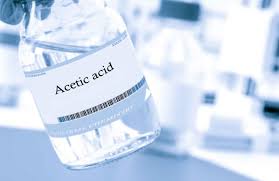
Understanding Acetic Acid (CH₃COOH): The Chemistry of VinegarCategoriesUncategorized

Understanding Acetic Acid (CH₃COOH): The Chemistry of Vinegar

Acetic acid, with the chemical formula CH₃COOH, is a weak organic acid best known as the main active component of vinegar. It is responsible for vinegar’s characteristic sour taste and pungent smell. Beyond food, acetic acid plays an important role in chemistry, industry, and everyday life.

What is Acetic Acid?

Acetic acid is a carboxylic acid, meaning it contains the functional group –COOH (carboxyl group). Its structure consists of a methyl group (CH₃–) attached to a carboxyl group (–COOH).

Basic properties:

  • Chemical formula: CH₃COOH
  • Molar mass: 60.05 g/mol
  • Appearance: Colorless liquid
  • Odor: Strong vinegar-like smell
  • Nature: Weak acid

When dissolved in water, acetic acid partially ionizes, releasing hydrogen ions (H⁺), which gives it acidic properties.

Acetic Acid in Vinegar

Vinegar is essentially a dilute solution of acetic acid in water, typically containing about 4–8% acetic acid.

How it is formed:

Vinegar is produced through a two-step fermentation process:

  1. Alcoholic fermentation:
    Sugars → Ethanol (C₂H₅OH)
  2. Acetic acid fermentation:
    Ethanol + Oxygen → Acetic acid + Water
    (done by Acetobacter bacteria)

This biological process converts alcoholic liquids (like wine or cider) into vinegar.

Chemical Behavior of Acetic Acid

Although acetic acid is classified as a weak acid, it still shows typical acid reactions:

1. Dissociation in water:

CH₃COOH ⇌ CH₃COO⁻ + H⁺

2. Reaction with bases (neutralization):

CH₃COOH + NaOH → CH₃COONa + H₂O
(sodium acetate + water)

3. Reaction with metals:

It reacts slowly with metals like zinc, producing hydrogen gas.

Uses of Acetic Acid

Acetic acid is not only found in vinegar but is widely used in different industries:

Food industry:

  • Preservative in pickles and sauces
  • Flavoring agent

Chemical industry:

  • Production of acetate salts
  • Manufacture of plastics like polyvinyl acetate (PVA)
  • Used in solvents and dyes

Laboratory use:

  • Acid-base titrations
  • Preparation of buffer solutions

Household use:

  • Cleaning agent
  • Deodorizing and disinfecting surfaces

Physical and Chemical Importance

Acetic acid is important in chemistry because it helps demonstrate:

  • Weak acid behavior
  • Equilibrium concepts
  • Buffer systems (acetic acid + sodium acetate)
  • Organic reaction mechanisms

Safety and Handling

Concentrated acetic acid (glacial acetic acid) is corrosive and should be handled carefully:

  • Can cause skin burns
  • Irritates eyes and respiratory system
  • Should be used with protective equipment in labs

Acetic acid is a simple yet highly important compound in both nature and industry. As the main component of vinegar, it connects everyday life with fundamental chemical principles. From food preservation to industrial manufacturing, CH₃COOH plays a vital role in chemistry and human life.

SNDB is a trusted manufacturer, supplier, and exporter known for delivering high-quality acetic acid used across industries such as food processing, chemicals, pharmaceuticals, and textiles. The company focuses on maintaining strict quality standards, ensuring purity, and providing reliable supply chains to meet both domestic and international demand. With strong production capabilities and efficient logistics, SNDB has built a reputation for consistent performance, timely delivery, and customer satisfaction, making it a preferred partner in the global chemical market.

SNDB – Leading Manufacturer and Supplier of Formic AcidCategoriesFormic Acid

SNDB | Applications of Formic Acid in Agriculture and Pest Control

Formic acid (HCOOH), also known as methanoic acid, is the simplest carboxylic acid and an important industrial chemical. It is widely used in agriculture, pest management, leather processing, textiles, and chemical synthesis. Reliable manufacturers and suppliers play a key role in ensuring high purity and consistent quality for industrial and agricultural applications.

Companies such as SNDB (and other established chemical manufacturers and suppliers in the industry) contribute to the global supply chain of formic acid used across multiple sectors.

Formic Acid: Overview

Formic acid is a colorless, pungent liquid with strong acidic properties. It occurs naturally in some insects like ants and is also produced synthetically for commercial use.

Key properties include:

  • Strong acidity (pKa ~3.75)
  • High reactivity in organic synthesis
  • Soluble in water and many organic solvents
  • Biodegradable under environmental conditions

Applications of Formic Acid in Agriculture

1. Silage Preservation

Formic acid is commonly used as a silage preservative for animal feed. It:

  • Prevents bacterial spoilage
  • Maintains nutritional value of fodder
  • Enhances fermentation control

2. Animal Feed Additive

It is added in small amounts to feed to:

  • Reduce microbial contamination
  • Improve gut health in livestock
  • Enhance feed efficiency

3. Soil and Crop Protection

Formic acid is used in controlled agricultural formulations to:

  • Control fungal growth
  • Inhibit harmful bacteria in crops
  • Support post-harvest preservation

Applications of Formic Acid in Pest Control

1. Varroa Mite Control in Beekeeping

One of the most important uses of formic acid is in apiculture (beekeeping):

  • Used to control Varroa destructor mites
  • Penetrates sealed brood cells, unlike many pesticides
  • Considered more natural compared to synthetic chemicals

2. Organic Pest Management

Formic acid is used in eco-friendly pest control formulations:

  • Acts as a natural biocide
  • Helps manage mites, insects, and microbial pests
  • Suitable for organic farming systems

3. Agricultural Disinfection

It is also used to disinfect:

  • Storage facilities
  • Farming equipment
  • Livestock environments

Role of Manufacturers and Suppliers (Including SNDB-Type Companies)

High-quality formic acid must meet strict industrial and agricultural standards. Leading manufacturers and suppliers such as SNDB-type chemical producers typically ensure:

  • High-purity grades (industrial and food-grade)
  • Safe packaging and transportation
  • Consistent batch quality
  • Compliance with environmental and safety regulations
  • Bulk supply for agriculture, chemical industries, and pest control sectors

When selecting a supplier, industries usually consider:

  • Purity level
  • Pricing and bulk availability
  • Technical support
  • Safety certifications
  • Delivery reliability

Safety and Handling

Formic acid is corrosive and must be handled carefully:

  • Use protective gloves and goggles
  • Store in tightly sealed containers
  • Avoid inhalation of vapors
  • Keep away from heat and oxidizing agents

Formic acid is a versatile chemical with significant applications in agriculture and pest control, particularly in silage preservation, livestock feed improvement, and beekeeping pest management. Reliable manufacturers and suppliers like SNDB-type chemical producers play a crucial role in delivering high-quality formic acid to meet global agricultural and industrial demand.

sndb best manufacturerCategoriesUncategorized

What Makes SNDB the Best Acid Supplier in the World?

In today’s global chemical industry, the demand for high-quality acids—such as sulphuric acid, hydrochloric acid, phosphoric acid, and acetic acid—continues to grow across sectors like pharmaceuticals, agriculture, manufacturing, and water treatment. Among the many suppliers in the market, SNDB has emerged as a leading name, recognized for its reliability, quality, and global reach. But what exactly makes SNDB stand out as one of the best acid suppliers in the world?

1. Unmatched Product Quality and Purity

One of the primary reasons behind SNDB’s strong reputation is its commitment to superior quality. The company ensures that every batch of acid undergoes strict quality control procedures to meet both domestic and international standards.

Whether it is sulphuric acid, hydrochloric acid, or phosphoric acid, SNDB delivers products with high purity levels and consistent chemical composition. This is crucial for industries like pharmaceuticals and electronics, where even minor impurities can affect outcomes.

2. Advanced Manufacturing Technology

SNDB operates state-of-the-art production facilities equipped with modern technology and automated systems. These facilities are designed to ensure efficiency, safety, and precision in chemical manufacturing.

By investing in innovation and advanced processes, SNDB is able to maintain consistency in large-scale production while minimizing human error and maximizing output quality.

3. Wide Range of Acid Products

Unlike many suppliers that specialize in a single product, SNDB offers a diverse portfolio of acids, including:

  • Sulphuric Acid (H₂SO₄)
  • Hydrochloric Acid (HCl)
  • Phosphoric Acid (H₃PO₄)
  • Nitrous Acid (HNO₂)
  • Acetic Acid (CH₃COOH)

This versatility allows SNDB to serve multiple industries with varied chemical needs, making it a one-stop solution for industrial acids.

4. Strong Global Presence

SNDB is not limited to the Indian market—it has built a solid international footprint, supplying chemicals to clients in dozens of countries. The company’s efficient logistics and distribution network ensure timely delivery worldwide.

Its global reach makes it a trusted partner for multinational companies seeking consistent and reliable acid supply.

5. Reliable Supply Chain and Bulk Capability

Industrial clients require uninterrupted supply, especially for large-scale operations. SNDB excels in this area by offering:

  • Bulk supply capabilities
  • Customized packaging options
  • Timely delivery schedules

This reliability ensures that industries can maintain smooth operations without production delays.

6. Competitive Pricing Without Compromising Quality

SNDB strikes a balance between cost-effectiveness and quality. By optimizing production processes and supply chain management, the company offers competitive pricing while maintaining premium standards.

This makes SNDB an attractive choice for long-term partnerships across industries.

7. Commitment to Sustainability and Safety

Environmental responsibility is a key focus for SNDB. The company adopts eco-friendly manufacturing practices, including:

  • Waste reduction and recycling
  • Energy-efficient processes
  • Compliance with environmental regulations

These efforts ensure sustainable production while minimizing environmental impact.

8. Customer-Centric Approach

SNDB places strong emphasis on customer satisfaction. It offers:

  • Customized chemical solutions
  • Technical support and consultation
  • Flexible packaging and delivery options

This personalized approach helps clients optimize their operations and build long-term trust with the company.

9. Decades of Industry Experience

With a legacy spanning over a century, SNDB has evolved from a small chemical manufacturer into a global industry leader. Its deep industry knowledge and experience enable it to understand market needs and deliver innovative solutions.

SNDB’s success as one of the best acid suppliers in the world is the result of a combination of factors—high-quality products, advanced technology, global reach, reliable supply, and a strong commitment to sustainability and customer satisfaction.

In a competitive and quality-sensitive industry like chemicals, SNDB continues to set benchmarks by delivering excellence across every aspect of its operations. For businesses seeking a dependable acid supplier, SNDB stands out as a trusted and forward-thinking partner.

SNDB – Trusted Manufacturer & Supplier of Industrial and Pharma-Grade Formic AcidCategoriesUncategorized

Formic Acid: Properties, Uses, and Industrial Importance

Formic acid is the simplest member of the carboxylic acid family and plays an important role in both nature and industry. Chemically represented as HCOOH, it is a colorless liquid with a strong, pungent odor. It occurs naturally in the venom of ants and other insects, which is why it gets its name from the Latin word formica, meaning ant.

Chemical Properties

Formic acid consists of a single carbon atom bonded to a hydrogen atom, a hydroxyl group (-OH), and a carbonyl group (C=O). This simple structure makes it highly reactive compared to other organic acids. It is miscible with water and many organic solvents, and it exhibits both acidic and reducing properties. Due to its acidity, it can participate in neutralization reactions, while its reducing nature allows it to act in certain chemical processes.

Natural Occurrence

Formic acid is found in small amounts in nature. It is present in the stings and bites of ants, bees, and some plants such as nettles. In these cases, it serves as a defense mechanism, causing irritation or pain to predators.

Industrial Production

Formic acid is primarily produced through industrial processes rather than extracted from natural sources. The most common method involves the hydrolysis of methyl formate, which itself is produced from methanol and carbon monoxide. Other methods include formamide hydrolysis and newer, more sustainable approaches using carbon dioxide hydrogenation. These processes are designed to maximize efficiency while minimizing environmental impact.

Applications

Formic acid has a wide range of uses across various industries:

  • Agriculture: It is used as a preservative and antibacterial agent in livestock feed, helping prevent spoilage and promote animal health.
  • Textile Industry: It plays a role in dyeing and finishing fabrics.
  • Leather Processing: It is used in tanning and pH regulation.
  • Rubber Industry: It helps coagulate latex during rubber production.
  • Chemical Manufacturing: It serves as an intermediate in the production of other chemicals and pharmaceuticals.
  • Cleaning Products: Due to its acidic nature, it is used in descaling and cleaning agents.

Safety and Handling

Although useful, formic acid must be handled with care. It is corrosive and can cause burns upon contact with skin or eyes. Inhalation of vapors may irritate the respiratory system. Proper protective equipment, such as gloves and goggles, is recommended when working with it.

Environmental Impact

Formic acid is considered relatively biodegradable and less harmful to the environment compared to many stronger acids. However, improper disposal can still lead to environmental issues, so it should be managed responsibly in industrial settings.

Formic acid is a versatile and important chemical with applications ranging from agriculture to manufacturing. Its simple structure and reactive nature make it valuable in many processes, while ongoing research continues to explore more sustainable methods of production. Understanding its properties and uses helps highlight its significance in both natural ecosystems and modern industry.

SNDB is one of the leading manufacturers and suppliers of formic acid (HCOOH) in India, known for producing high-purity industrial-grade chemicals used in leather, textile, rubber, agriculture, and pharmaceutical industries. The company uses advanced manufacturing processes to ensure consistent quality, strong purity levels (up to 99%), and reliable bulk supply with nationwide and export distribution networks, making it a trusted choice for industries that require stable and cost-effective formic acid sourcing.

SNDB: The Best Supplier in India for Quality & ReliabilityCategoriesFormic Acid Hydrochloric acid Hydrogen Peroxide Nitric Acid Sulphuric Acid

SNDB: The Best Supplier in India for Quality & Reliability

SNDB stands out as the best supplier in India, trusted by clients across industries for excellence and professionalism. Quality, reliability, and trust are the three main factors that businesses look for when choosing a supplier. In today’s competitive market, having a partner who can consistently deliver products on time and with uncompromising standards is essential.

A Trusted Name in the Industry

SNDB has established a solid reputation as one of India’s top suppliers by offering premium chemical products and including hydrogen perioxide and fermic acid The business has established itself as a dependable partner for both domestic and foreign clients thanks to years of experience and a customer-first philosophy.


Why SNDB is the Best Supplier in India

1. Unmatched Product Quality

The success of SNDB is built on quality. Each product must pass a rigorous quality control procedure to guarantee that it satisfies global standards. Numerous industries have come to trust this dedication to excellence.

2. Consistency & Reliability

SNDB is aware that companies rely on prompt deliveries. The business guarantees on-time delivery thanks to its robust distribution network and effective logistics, making it a trustworthy partner.

3. Wide Range of Products

SNDB provides a wide range of products that serve many industries, including manufacturing, agriculture, water treatment, and construction, ranging from industrial chemicals to customized materials.

4. Customer-Centric Approach

SNDB supports establishing enduring connections. Every client is guaranteed individualized care and prompt assistance thanks to their committed support staff.

5. Global Standards, Local Reach

Serving both domestic and foreign clients, SNDB has broadened its reach throughout India and beyond by concentrating on global quality standards.

Industries Served by SNDB

  • Water Treatment Plants
  • Construction & Infrastructure
  • Textile & Paper Industry
  • Chemical Manufacturing
  • Agriculture & Fertilizers

Many different sectors use SNDB as their supplier because of its diverse product line.

Commitment to Sustainability

SNDB places a strong emphasis on sustainable practices in addition to quality and dependability. In order to ensure a more environmentally friendly future for future generations, the company strives to minimize its influence on the environment while upholding high production standards.

SNDB has become the top supplier in India in a sector where success is determined by trust and quality. The business continues to establish standards in the supply sector with its unwavering quality, dependable delivery, extensive product line, and customer-focused philosophy.

For companies looking for a trustworthy partner, SNDB is more than just a supplier; it’s a name that connotes quality, dependability, and enduring confidence.

Chemical Behavior and Reactivity of Nitric Acid (HNO₃) SNDB – Best Manufacturer, Supplier, and ExporterCategoriesNitric Acid

Chemical Behavior and Reactivity of Nitric Acid (HNO₃)| SNDB Best Manufacturer and supplier

One of the most significant mineral acids utilized in contemporary chemical industries is nitric acid (HNO₃). Nitric acid, which is well-known for its potent oxidizing and strong acidic qualities, is essential to the synthesis of fertilizer, explosives, metals, medicines, dyes, and laboratory research. Being a top producer, supplier, and exporter, SNDB provides premium nitric acid that satisfies exacting industrial and global requirements.

Chemical Properties of Nitric Acid

Nitric acid is a colorless to light yellow liquid with a strong, unpleasant smell. It dissolves easily in water and has the chemical formula HNO₃. Compared to concentrated nitric acid, which typically contains about 68% HNO₃ by weight, fuming nitric acid has a higher HNO₃ level.

1. Strong Acidic Nature

Nitric acid is a strong monoprotic acid, meaning it completely dissociates in water:

HNO₃ → H⁺ + NO₃⁻

Because of complete ionization, it has a very low pH and reacts readily with bases to form nitrates and water in neutralization reactions.

Example:
HNO₃ + NaOH → NaNO₃ + H₂O

Oxidizing Behavior

Nitric acid’s potent oxidizing power is one of its most crucial properties. When nitric acid reacts with metals, it usually does not release hydrogen gas, in contrast to many other acids. Rather, it reduces to nitrogen oxides like NO₂ or NO by oxidizing metals.

Reaction with Metals

With copper:
Cu + 4HNO₃ (conc.) → Cu(NO₃)₂ + 2NO₂ + 2H₂O

With dilute acid, nitric oxide (NO) is formed instead of nitrogen dioxide (NO₂).

This powerful oxidizing property makes nitric acid highly useful in metal refining, etching, and cleaning processes.

Reaction with Non-Metals

Nitric acid also reacts with non-metals such as carbon and sulfur due to its oxidizing nature.

Example:
C + 4HNO₃ → CO₂ + 4NO₂ + 2H₂O

These reactions demonstrate its ability to oxidize non-metallic substances effectively.

Nitration Reactions

In nitration processes, which add a nitro group (-NO₂) into organic molecules, nitric acid is essential. Pharmaceuticals, dyes, and explosives are all produced using this method.

For example, in the presence of sulfuric acid, nitric acid generates the nitronium ion (NO₂⁺), a powerful electrophile used in aromatic substitution reactions.

Applications include:

  • Production of nitrobenzene
  • Manufacture of trinitrotoluene (TNT)
  • Synthesis of nitroglycerin

Thermal Decomposition

When exposed to heat or light, concentrated nitric acid decomposes:

4HNO₃ → 4NO₂ + 2H₂O + O₂

The brown fumes observed are nitrogen dioxide (NO₂). This decomposition explains why nitric acid is stored in dark containers to prevent breakdown.

Industrial Production

Nitric acid is industrially produced through the Ostwald process, which involves the catalytic oxidation of ammonia to nitric oxide, followed by further oxidation and absorption in water.

This process ensures large-scale, efficient production for global industrial demand.

Safety and Handling

Due to its corrosive and oxidizing nature, nitric acid must be handled with strict safety measures:

  • Use corrosion-resistant storage tanks
  • Ensure proper ventilation
  • Wear protective gloves, goggles, and chemical-resistant clothing
  • Store away from organic materials and reducing agents

Proper storage and transportation are essential for maintaining quality and safety.

Why Choose SNDB as Your Nitric Acid Partner?

As a trusted manufacturer, supplier, and exporter, SNDB provides:

  • High-purity nitric acid in various concentrations
  • Compliance with international quality standards
  • Secure packaging and global export capability
  • Timely delivery and competitive pricing
  • Dedicated customer support

With advanced production facilities and quality control systems, SNDB ensures consistent product performance for industrial and laboratory applications worldwide.

Strong and extremely reactive, nitric acid (HNO₃) has potent oxidizing qualities that make it essential in many different sectors. Its chemical behavior determines its adaptability in a variety of processes, including organic synthesis, fertilizer production, and metal processing. Every shipment is guaranteed to be efficient, safe, and of high quality when working with a reputable supplier like SNDB.

For bulk inquiries, customized packaging, or export orders, SNDB stands ready as your best manufacturer, supplier, and exporter of premium nitric acid.

Industrial Importance of Nitric Acid in Fertilizer ProductionCategoriesUncategorized

Industrial Importance of Nitric Acid in Fertilizer Production

Nitric acid (HNO₃) is one of the most important industrial chemicals in the modern world, playing a vital role in agriculture through its use in fertilizer production. As global demand for food continues to rise, nitric acid has become essential in ensuring high crop yields and soil fertility.

Introduction to Nitric Acid

Nitric acid is a strong mineral acid known for its highly corrosive nature and powerful oxidizing properties. It is produced industrially through the Ostwald process, where ammonia is oxidized to form nitric oxide, which is further converted into nitrogen dioxide and then absorbed in water to produce nitric acid.

Role in Fertilizer Production

The primary importance of nitric acid lies in its ability to produce nitrogen-based fertilizers. Nitrogen is a crucial nutrient for plant growth, as it is a key component of proteins, enzymes, and chlorophyll.

Nitric acid is used to manufacture several important fertilizers, including:

  • Ammonium Nitrate (NH₄NO₃): One of the most widely used fertilizers, valued for its high nitrogen content and effectiveness in promoting plant growth.
  • Calcium Ammonium Nitrate (CAN): A safer alternative to ammonium nitrate, widely used in agriculture.
  • Nitrophosphate Fertilizers: Produced by reacting nitric acid with phosphate rock, providing both nitrogen and phosphorus nutrients.

Advantages in Agriculture

Nitric acid-based fertilizers offer several benefits:

  • High Efficiency: They provide readily available nitrogen that plants can absorb quickly.
  • Improved Crop Yield: Enhanced nutrient supply leads to better growth and higher productivity.
  • Soil Compatibility: Suitable for a wide range of soil types and crops.
  • Balanced Nutrition: When combined with other nutrients, they support overall plant health.

Economic Significance

The production of nitric acid is closely linked to the fertilizer industry, which is a major sector of the global economy. Countries with strong agricultural bases rely heavily on nitric acid to sustain food production. It also supports industries related to farming, transportation, and chemical manufacturing.

Environmental and Safety Considerations

While nitric acid is highly beneficial, its production and use must be carefully managed:

  • Environmental Impact: Excessive use of nitrogen fertilizers can lead to water pollution (eutrophication).
  • Greenhouse Gas Emissions: Nitric acid production can release nitrous oxide, a potent greenhouse gas.
  • Safety Measures: Proper handling, storage, and transportation are essential due to its corrosive nature.

Nitric acid is indispensable in the production of modern fertilizers, making it a cornerstone of global agriculture. Its role in enhancing crop yields and supporting food security cannot be overstated. However, responsible use and sustainable practices are necessary to minimize environmental impact and ensure long-term agricultural productivity.

The company supplies nitric acid in different concentrations, typically 62% and 68–70% purity, produced through catalytic oxidation of ammonia. Its nitric acid is widely used in industries such as fertilizer production, explosives, dyes, pharmaceuticals, and metal processing. SNDB Chemicals also offers flexible packaging options like IBC tanks and HDPE carboys, ensuring safe storage and transportation.

Best Acetic Acid Supplier in India – SNDB Sets the Industry StandardCategoriesUncategorized

Acetic Acid: Formula, Structure, and Uses |SNDB Best Manufacturer

In the modern chemical industry, sourcing high-quality raw materials from reliable manufacturers is crucial. One such important chemical compound is acetic acid, widely used across industries. At the same time, choosing the best SNDB manufacturer ensures quality, safety, and cost efficiency in production processes.

This article explores both topics in detail—helping businesses and students understand the importance of trusted manufacturing and the science behind acetic acid.

SNDB Best Manufacturer: How to Choose the Right One

When selecting an SNDB manufacturer, several factors must be considered to ensure consistent quality and supply.

Key Features of a Reliable SNDB Manufacturer

  • Quality Assurance: Certified production processes (ISO, GMP standards)
  • Advanced Technology: Modern equipment for precision manufacturing
  • Global Supply Capability: Timely delivery and export experience
  • Sustainability Practices: Eco-friendly production methods
  • Customer Support: Strong technical and after-sales service

Benefits of Choosing the Best Manufacturer

  • Consistent product quality
  • Reduced operational risks
  • Better pricing in bulk supply
  • Compliance with international standards

A trusted SNDB manufacturer plays a vital role in industries like chemicals, pharmaceuticals, and agriculture.

What is Acetic Acid?

Acetic acid is a colorless organic compound known for its strong smell and sour taste. It is the main component of vinegar and has wide industrial applications.

Acetic Acid Formula

The chemical formula of acetic acid is:

CH₃COOH

It can also be written as:

  • C₂H₄O₂ (molecular formula)

Structure of Acetic Acid

Acetic acid consists of:

  • A methyl group (CH₃-)
  • A carboxyl group (-COOH)

Structural Representation:

   O
||
CH3—C—OH

Key Structural Features

  • The carboxyl group (-COOH) gives acetic acid its acidic properties
  • It can form hydrogen bonds, making it soluble in water
  • Exhibits weak acid behavior in aqueous solutions

Uses of Acetic Acid

Acetic acid is widely used in various industries:

1. Food Industry

  • Used as a preservative and flavoring agent
  • Main component in vinegar

2. Chemical Industry

  • Production of acetates and polymers
  • Used in manufacturing plastics and synthetic fibers

3. Pharmaceutical Industry

  • Used in drug formulation
  • Acts as an intermediate in chemical synthesis

4. Textile Industry

  • Helps in dyeing and finishing fabrics

5. Cleaning and Household Uses

  • Effective cleaning agent
  • Removes limescale and stains

Importance of Quality Manufacturing in Chemical Supply

When dealing with chemicals like acetic acid, sourcing from the best SNDB manufacturer ensures:

  • Purity and safety
  • Compliance with regulations
  • Reliable long-term supply

Poor-quality chemicals can lead to production failures, safety hazards, and financial loss.

Choosing the best SNDB manufacturer is essential for industries that rely on consistent and high-quality chemical products. Meanwhile, understanding **acetic acid—its formula, structure, and uses—**helps in both academic and industrial applications.

With its wide range of uses, acetic acid remains one of the most important organic compounds, and sourcing it from trusted manufacturers ensures optimal performance and safety.