Acetic Acid in Pharmaceuticals: Key Applications and BenefitsCategoriesAcid

Acetic Acid in Pharmaceuticals: Key Applications and Benefits

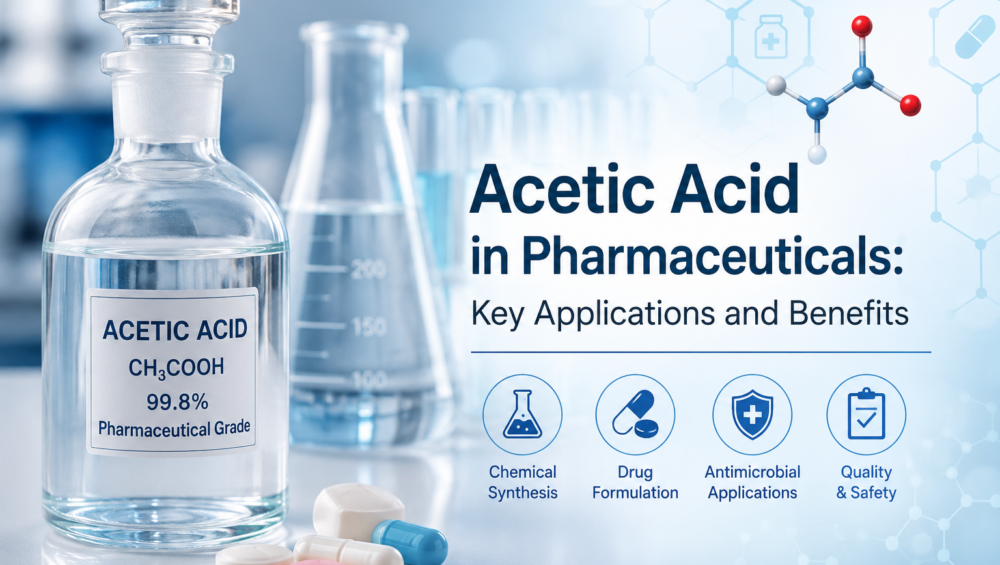
Acetic acid is one of the most important organic compounds used across various industries, including pharmaceuticals. Known for its versatility, purity, and effectiveness, acetic acid plays a crucial role in drug manufacturing, chemical synthesis, formulation development, and laboratory research. Pharmaceutical-grade acetic acid is highly refined and meets strict quality standards, making it suitable for use in medicinal products and healthcare applications.

As the pharmaceutical industry continues to expand globally, the demand for high-quality acetic acid has increased significantly due to its essential role in producing active pharmaceutical ingredients (APIs) and other healthcare products.

What is Acetic Acid?

Acetic acid (CH₃COOH) is a colorless organic acid with a distinctive pungent odor. It is the primary component responsible for the sour taste and smell of vinegar. However, pharmaceutical-grade acetic acid is manufactured under highly controlled conditions to achieve exceptional purity levels required for medical and pharmaceutical applications.

Its unique chemical properties make it an indispensable raw material for numerous pharmaceutical processes.

Key Applications of Acetic Acid in Pharmaceuticals

1. Production of Active Pharmaceutical Ingredients (APIs)

One of the most important uses of acetic acid is in the synthesis of Active Pharmaceutical Ingredients (APIs). Many medications require acetic acid as a chemical intermediate during production. It helps facilitate chemical reactions necessary to create complex pharmaceutical compounds.

Acetic acid contributes to the manufacturing of:

  • Antibiotics
  • Anti-inflammatory drugs
  • Cardiovascular medications
  • Pain relievers
  • Antiviral medications

Its effectiveness as a reaction medium ensures high-quality pharmaceutical products.

2. Solvent in Drug Manufacturing

Acetic acid serves as an excellent solvent in pharmaceutical production. It helps dissolve various compounds during synthesis and purification processes. Due to its ability to mix with water and many organic substances, acetic acid improves manufacturing efficiency and product consistency.

Benefits of using acetic acid as a solvent include:

  • Enhanced reaction control
  • Improved product purity
  • Better yield during synthesis
  • Efficient extraction processes

3. Buffer Solutions and pH Regulation

Maintaining the correct pH level is critical in pharmaceutical formulations. Acetic acid is commonly used in buffer solutions to regulate acidity and ensure the stability of medicinal products.

Applications include:

  • Injectable medications
  • Oral liquid formulations
  • Eye drops
  • Laboratory reagents

Proper pH control helps improve drug effectiveness and shelf life.

4. Manufacturing Acetate-Based Pharmaceuticals

Acetic acid is a key raw material for producing acetate compounds widely used in medicine. These compounds serve various therapeutic purposes and are incorporated into numerous pharmaceutical formulations.

Common acetate derivatives include:

  • Sodium acetate
  • Calcium acetate
  • Potassium acetate
  • Zinc acetate

These compounds are used in treatments related to electrolyte balance, kidney disorders, and nutritional supplementation.

5. Antimicrobial and Antiseptic Applications

Acetic acid possesses natural antimicrobial properties that make it useful in certain medical and healthcare applications. It has been utilized in specialized treatments and topical formulations to help manage bacterial growth.

Healthcare professionals may use acetic acid solutions for:

  • Wound care applications
  • Ear infection treatments
  • Antiseptic formulations
  • Medical cleaning procedures

Its effectiveness against specific microorganisms contributes to improved patient care.

6. Laboratory and Research Applications

Pharmaceutical research laboratories rely on acetic acid for analytical testing, chemical synthesis, and formulation development. Researchers use it extensively in quality control and drug discovery programs.

Applications include:

  • Chromatography procedures
  • Chemical analysis
  • Research experiments
  • Drug formulation studies

Its reliability and chemical stability make it a valuable laboratory reagent.

Benefits of Acetic Acid in the Pharmaceutical Industry

High Purity Standards

Pharmaceutical-grade acetic acid is manufactured according to stringent quality requirements, ensuring safety and consistency in medical products.

Excellent Chemical Stability

Acetic acid remains stable under controlled conditions, making it suitable for long-term pharmaceutical applications.

Versatile Applications

From API production to formulation development, acetic acid serves multiple functions within pharmaceutical manufacturing processes.

Cost-Effective Production

Its widespread availability and efficient manufacturing processes help pharmaceutical companies maintain cost-effective operations.

Improved Drug Quality

By supporting purification, synthesis, and formulation processes, acetic acid contributes to the production of high-quality medications.

Safety and Handling Considerations

While acetic acid offers numerous benefits, proper handling is essential in pharmaceutical environments. Manufacturers must follow strict safety protocols to prevent exposure and ensure workplace safety.

Key precautions include:

  • Use of protective equipment
  • Proper ventilation systems
  • Secure storage containers
  • Compliance with pharmaceutical regulations

Following these practices helps maintain product quality and employee safety.

Future Outlook of Acetic Acid in Pharmaceuticals

The pharmaceutical industry is expected to witness continued growth driven by increasing healthcare demands, technological advancements, and expanding drug development programs. As a result, the need for high-purity acetic acid will continue to rise.

Emerging applications in biotechnology, advanced drug formulations, and specialty pharmaceuticals are creating new opportunities for acetic acid manufacturers and suppliers worldwide.

Acetic acid plays a vital role in the pharmaceutical industry, supporting everything from API synthesis and solvent applications to pH regulation and research activities. Its versatility, reliability, and effectiveness make it an indispensable component in modern drug manufacturing.

As pharmaceutical innovation continues to evolve, acetic acid will remain a critical raw material that helps ensure the production of safe, effective, and high-quality medicines for patients around the world.

SNDB best manufacturer and supplier and exporter
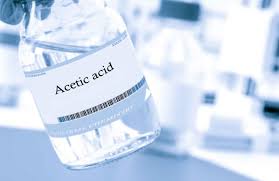
Understanding Acetic Acid (CH₃COOH): The Chemistry of VinegarCategoriesUncategorized

Understanding Acetic Acid (CH₃COOH): The Chemistry of Vinegar

Acetic acid, with the chemical formula CH₃COOH, is a weak organic acid best known as the main active component of vinegar. It is responsible for vinegar’s characteristic sour taste and pungent smell. Beyond food, acetic acid plays an important role in chemistry, industry, and everyday life.

What is Acetic Acid?

Acetic acid is a carboxylic acid, meaning it contains the functional group –COOH (carboxyl group). Its structure consists of a methyl group (CH₃–) attached to a carboxyl group (–COOH).

Basic properties:

  • Chemical formula: CH₃COOH
  • Molar mass: 60.05 g/mol
  • Appearance: Colorless liquid
  • Odor: Strong vinegar-like smell
  • Nature: Weak acid

When dissolved in water, acetic acid partially ionizes, releasing hydrogen ions (H⁺), which gives it acidic properties.

Acetic Acid in Vinegar

Vinegar is essentially a dilute solution of acetic acid in water, typically containing about 4–8% acetic acid.

How it is formed:

Vinegar is produced through a two-step fermentation process:

  1. Alcoholic fermentation:
    Sugars → Ethanol (C₂H₅OH)
  2. Acetic acid fermentation:
    Ethanol + Oxygen → Acetic acid + Water
    (done by Acetobacter bacteria)

This biological process converts alcoholic liquids (like wine or cider) into vinegar.

Chemical Behavior of Acetic Acid

Although acetic acid is classified as a weak acid, it still shows typical acid reactions:

1. Dissociation in water:

CH₃COOH ⇌ CH₃COO⁻ + H⁺

2. Reaction with bases (neutralization):

CH₃COOH + NaOH → CH₃COONa + H₂O
(sodium acetate + water)

3. Reaction with metals:

It reacts slowly with metals like zinc, producing hydrogen gas.

Uses of Acetic Acid

Acetic acid is not only found in vinegar but is widely used in different industries:

Food industry:

  • Preservative in pickles and sauces
  • Flavoring agent

Chemical industry:

  • Production of acetate salts
  • Manufacture of plastics like polyvinyl acetate (PVA)
  • Used in solvents and dyes

Laboratory use:

  • Acid-base titrations
  • Preparation of buffer solutions

Household use:

  • Cleaning agent
  • Deodorizing and disinfecting surfaces

Physical and Chemical Importance

Acetic acid is important in chemistry because it helps demonstrate:

  • Weak acid behavior
  • Equilibrium concepts
  • Buffer systems (acetic acid + sodium acetate)
  • Organic reaction mechanisms

Safety and Handling

Concentrated acetic acid (glacial acetic acid) is corrosive and should be handled carefully:

  • Can cause skin burns
  • Irritates eyes and respiratory system
  • Should be used with protective equipment in labs

Acetic acid is a simple yet highly important compound in both nature and industry. As the main component of vinegar, it connects everyday life with fundamental chemical principles. From food preservation to industrial manufacturing, CH₃COOH plays a vital role in chemistry and human life.

SNDB is a trusted manufacturer, supplier, and exporter known for delivering high-quality acetic acid used across industries such as food processing, chemicals, pharmaceuticals, and textiles. The company focuses on maintaining strict quality standards, ensuring purity, and providing reliable supply chains to meet both domestic and international demand. With strong production capabilities and efficient logistics, SNDB has built a reputation for consistent performance, timely delivery, and customer satisfaction, making it a preferred partner in the global chemical market.

Acetic Acid for Industry & Food – SNDB Leading Manufacturer & SupplierCategoriesUncategorized

Top Acetic Acid Supplier & Manufacturer in India – Uses & Applications

The scientific name for acetic acid is CH3COOH. It is a white liquid that tastes sour and has a strong smell. Because of its chemical characteristics, stability, and adaptability, it is one of the most significant organic acids in industrial and food production. Food processing, medicines, chemical manufacture, and other industrial uses frequently employ acetic acid.

SNDB has made a name for itself as one of India’s top producers, distributors, and exporters of premium acetic acid, guaranteeing goods that satisfy industrial and food-grade requirements.

Uses of Acetic Acid

1. Food Industry

Acetic acid, particularly food-grade acetic acid, is widely used as:

  • Vinegar production – giving the distinct sour flavor.
  • Preservative – preventing spoilage and microbial growth in pickles, sauces, and canned foods.
  • Flavor enhancer – improving taste in various processed foods.

2. Industrial Applications

Acetic acid is a key chemical in:

  • Chemical Manufacturing – used to produce acetic anhydride, ester, and other derivatives.
  • Textile Industry – acts as a dyeing and finishing agent.
  • Plastic Production – used in making PET (polyethylene terephthalate) plastics.
  • Rubber & Pharmaceuticals – intermediate for production of medicines and synthetic rubber.

3. Cleaning & Water Treatment

  • Used in descaling agents and cleaning solutions.
  • Helps in pH adjustment for water treatment processes.

Why Choose SNDB for Acetic Acid?

SNDB is recognized as a trusted and reliable name in the chemical industry for supplying acetic acid. Here’s why industries prefer SNDB:

  • High-Quality Manufacturing: SNDB uses advanced production techniques to ensure pure and consistent acetic acid.
  • Food-Grade & Industrial-Grade: Offers products suitable for both food applications and industrial uses.
  • Strict Quality Control: Each batch undergoes rigorous testing to meet national and international standards.
  • Global Export: SNDB exports to several countries, ensuring timely delivery and compliance with regulations.
  • Customized Solutions: Provides tailored concentrations, packaging, and technical support based on client requirements.
  • Sustainable Practices: SNDB emphasizes environmentally friendly manufacturing and waste reduction.

Grades of Acetic Acid

SNDB offers different grades based on usage:

  1. Industrial Grade: For chemical manufacturing, plastics, textiles, and rubber.
  2. Food Grade: Safe for direct food applications, sauces, pickles, and beverages.
  3. Pharmaceutical Grade: High purity for medicinal and lab applications.

Applications Across Industries

  • Food & Beverage: Vinegar, preservatives, flavorings.
  • Pharmaceuticals: Drug intermediates, chemical reagents.
  • Textile & Leather: Dyeing, finishing, and cleaning agents.
  • Chemical Industry: Production of esters, acetic anhydride, solvents, and adhesives.
  • Water Treatment: pH stabilization and cleaning solutions.

There are numerous industrial and culinary uses for acetic acid, a vital molecule. As a top producer, supplier, and exporter, SNDB stands out for offering dependable, superior, and adaptable solutions to satisfy a range of industrial demands.

Whether you require industrial-grade acetic acid for production or food-grade acetic acid for cooking, SNDB guarantees reliable quality, affordable prices, and knowledgeable assistance.