Agriculture has evolved significantly over the years, with modern farming increasingly relying on advanced chemicals and technologies to improve productivity, preserve crops, and ensure sustainable farming practices. Among these essential agricultural chemicals, Formic Acid has emerged as a highly effective and versatile solution. Widely used in livestock farming, silage preservation, and feed management, Formic Acid plays a crucial role in enhancing agricultural efficiency.
As a trusted name in the chemical industry, SNDB stands out as a leading manufacturer, supplier, and exporter of high-quality Formic Acid, catering to the diverse requirements of agricultural and industrial sectors worldwide.
What is Formic Acid?
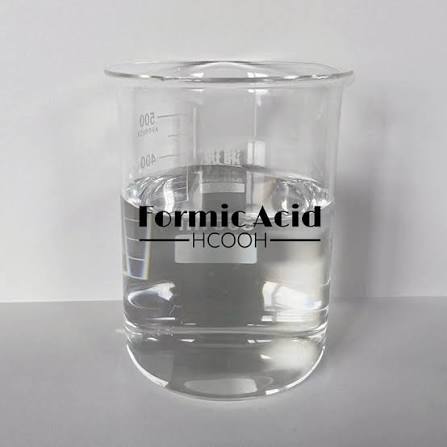
Formic Acid (chemical formula: HCOOH) is the simplest carboxylic acid and is naturally found in ant venom and certain plants. It is a colorless liquid with a pungent odor and possesses excellent antibacterial and preservative properties. Due to its unique chemical characteristics, Formic Acid has become an indispensable component in modern agriculture.
Major Uses of Formic Acid in Agriculture
1. Silage Preservation
One of the most significant agricultural applications of Formic Acid is in the preservation of silage. Silage is fermented fodder stored for feeding livestock during periods when fresh forage is unavailable.
Formic Acid helps:
- Reduce spoilage during storage.
- Inhibit the growth of harmful bacteria and molds.
- Preserve the nutritional quality of forage.
- Improve fermentation efficiency.
By maintaining high-quality silage, farmers can ensure better livestock health and productivity.
2. Animal Feed Preservation
Animal feed is susceptible to microbial contamination, which can reduce its nutritional value and lead to health problems in livestock. Formic Acid acts as an effective feed preservative by controlling the growth of bacteria such as Salmonella and E. coli.
Benefits include:
- Extended shelf life of feed.
- Reduced feed wastage.
- Improved feed hygiene.
- Enhanced animal performance and growth.
3. Poultry and Livestock Farming
Formic Acid is extensively used in poultry and livestock farming as a feed additive. It helps maintain gut health, improve digestion, and prevent harmful bacterial infections.
Key advantages include:
- Better nutrient absorption.
- Improved feed conversion ratio (FCR).
- Enhanced immunity in animals.
- Reduced dependency on antibiotics.
4. Crop Protection Applications
In certain agricultural formulations, Formic Acid is utilized as an ingredient in crop protection products. Its antimicrobial properties help protect crops from specific pathogens and contribute to healthier plant growth.
5. Organic Farming Support
With the growing demand for sustainable agriculture, Formic Acid is increasingly being used in environmentally responsible farming practices. It aids in reducing microbial contamination while minimizing environmental impact when used appropriately.
Benefits of Formic Acid in Agriculture
Improved Feed Quality
Formic Acid effectively preserves feed quality by preventing spoilage and maintaining essential nutrients.
Enhanced Livestock Health
By controlling harmful microorganisms, Formic Acid contributes to healthier livestock and better overall farm productivity.
Cost Efficiency
Reduced spoilage, lower feed losses, and improved animal growth lead to significant cost savings for farmers.
Sustainable Farming
The use of Formic Acid supports sustainable agricultural practices by enhancing resource efficiency and reducing wastage.
Increased Productivity
Healthy animals and high-quality feed directly contribute to increased agricultural output and profitability.
Safety Considerations While Handling Formic Acid
Although Formic Acid offers numerous benefits, proper handling is essential due to its corrosive nature. Recommended safety measures include:
- Wear protective gloves and safety goggles.
- Store in tightly sealed containers.
- Keep away from incompatible substances.
- Ensure adequate ventilation during handling.
- Follow manufacturer guidelines and safety standards.
Why Choose SNDB for Formic Acid?
When it comes to sourcing premium-quality Formic Acid, SNDB has established itself as a reliable and trusted partner across domestic and international markets.
SNDB Offers:
- High-purity Formic Acid products.
- Consistent quality and stringent quality control.
- Advanced manufacturing facilities.
- Competitive pricing.
- Timely delivery across global markets.
- Customized packaging solutions.
- Exceptional customer support.
As a reputed manufacturer, supplier, and exporter of Formic Acid, SNDB is committed to delivering superior chemical solutions that meet international quality standards and support the evolving needs of the agriculture industry.
Formic Acid has become an essential agricultural chemical due to its remarkable preservative, antimicrobial, and feed-enhancing properties. From silage preservation to improving livestock health, its applications continue to expand across modern farming systems.
For industries and agricultural businesses seeking reliable and high-quality Formic Acid, SNDB remains the preferred choice as a leading manufacturer, supplier, and exporter, ensuring excellence, quality, and customer satisfaction worldwide.