Hydrochloric Acid (HCl) is one of the most widely used and essential chemicals in scientific laboratories across the world. Due to its strong acidic properties, high reactivity, and versatility, hydrochloric acid plays a critical role in various research, analytical, and industrial applications. From educational laboratories to advanced research facilities, hydrochloric acid is indispensable for numerous scientific procedures.
As a leading manufacturer, supplier, and exporter of high-quality Hydrochloric Acid, SNDB is committed to delivering premium-grade chemical solutions that meet stringent quality standards for laboratories, research institutions, and industrial applications worldwide.
What is Hydrochloric Acid?
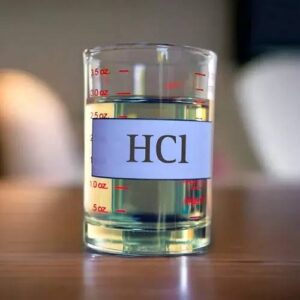
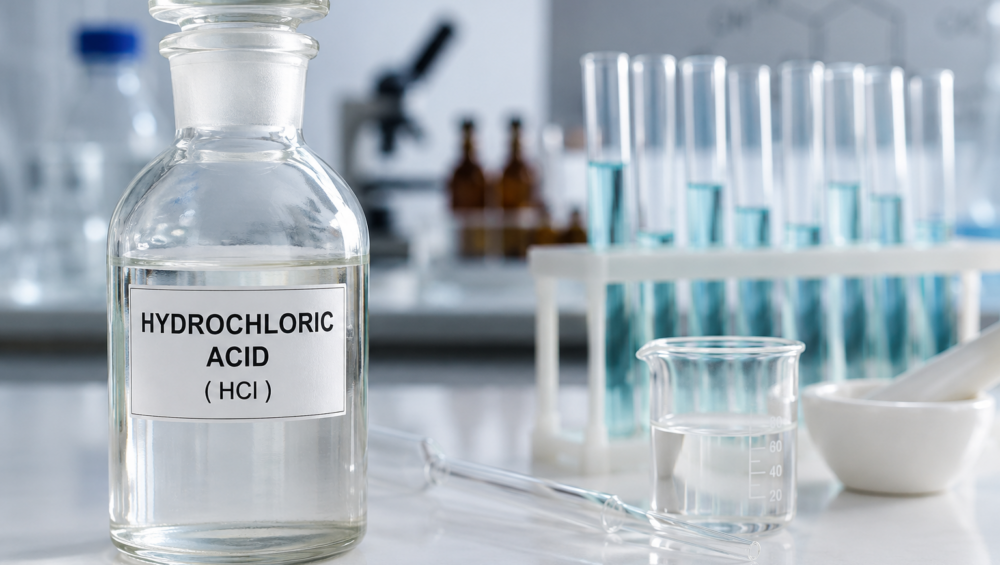
Hydrochloric Acid is a clear, colorless, highly corrosive mineral acid composed of hydrogen chloride dissolved in water. Its chemical formula is HCl. The acid is known for its strong acidic nature and is extensively used in chemical synthesis, analytical testing, and laboratory experiments.
Common Laboratory Uses of Hydrochloric Acid in Scientific Research
1. Chemical Analysis and Titration
Hydrochloric acid is extensively used in analytical chemistry for acid-base titrations. Scientists utilize standardized HCl solutions to determine the concentration of unknown alkaline substances accurately.
Applications include:
- Quantitative analysis
- pH determination
- Standardization of solutions
- Volumetric analysis
2. Sample Preparation
Researchers frequently use hydrochloric acid to prepare samples before conducting analytical tests. It helps dissolve metals, minerals, and various inorganic compounds, making them suitable for further examination.
Sample preparation applications include:
- Metal dissolution
- Digestion of geological samples
- Environmental sample processing
- Preparation of biological specimens
3. pH Adjustment in Laboratory Experiments
Maintaining accurate pH levels is crucial in scientific research. Hydrochloric acid is commonly used to lower the pH of solutions in laboratory experiments, ensuring optimal conditions for chemical reactions and biological studies.
Fields utilizing pH adjustment include:
- Biochemistry
- Microbiology
- Environmental science
- Pharmaceutical research
4. Reagent Preparation
Hydrochloric acid serves as a key reagent in preparing numerous chemical compounds and laboratory reagents. It participates in a wide range of chemical reactions and synthesis procedures.
Examples include:
- Preparation of chloride salts
- Organic synthesis reactions
- Inorganic chemical production
- Buffer solution preparation
5. Cleaning Laboratory Equipment
Laboratories often use dilute hydrochloric acid solutions to remove mineral deposits, metal oxides, and contaminants from glassware and scientific instruments.
Benefits include:
- Effective removal of residues
- Improved equipment accuracy
- Prevention of contamination
- Enhanced experimental reliability
6. Metal Analysis and Research
Hydrochloric acid is extensively employed in metallurgical and materials research for dissolving metal samples and conducting elemental analysis.
Research applications include:
- Metal composition analysis
- Corrosion studies
- Alloy characterization
- Surface treatment investigations
7. Biological and Pharmaceutical Research
In biological and pharmaceutical laboratories, hydrochloric acid is used in drug formulation studies, protein analysis, and various biochemical experiments.
Important applications include:
- Pharmaceutical formulation
- Protein hydrolysis
- Enzyme studies
- Drug development research
Safety Precautions When Using Hydrochloric Acid in Laboratories
Although hydrochloric acid is highly useful, proper safety measures are essential.
Recommended Safety Practices:
- Always wear gloves, safety goggles, and laboratory coats.
- Work in a well-ventilated area or fume hood.
- Store hydrochloric acid in corrosion-resistant containers.
- Avoid direct contact with skin and eyes.
- Follow laboratory safety guidelines and emergency procedures.
Why Choose SNDB for Hydrochloric Acid?
SNDB has established itself as a trusted manufacturer, supplier, and exporter of premium-quality Hydrochloric Acid. With a strong focus on quality, safety, and customer satisfaction, SNDB caters to the diverse needs of laboratories and industries globally.
Why Customers Trust SNDB:
- High-purity Hydrochloric Acid.
- Strict quality control standards.
- Advanced manufacturing facilities.
- Timely delivery across domestic and international markets.
- Competitive pricing.
- Customized packaging solutions.
- Reliable customer support.
Hydrochloric Acid remains an indispensable chemical in scientific research due to its versatility and effectiveness in laboratory applications. Whether used for analytical testing, sample preparation, reagent synthesis, or equipment cleaning, hydrochloric acid significantly contributes to scientific advancements.
For laboratories and industries seeking premium-quality Hydrochloric Acid, SNDB stands as the preferred manufacturer, supplier, and exporter, delivering reliable chemical solutions that meet international quality standards.