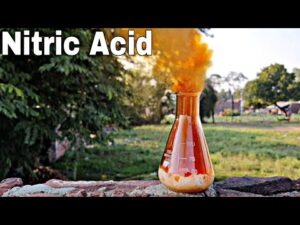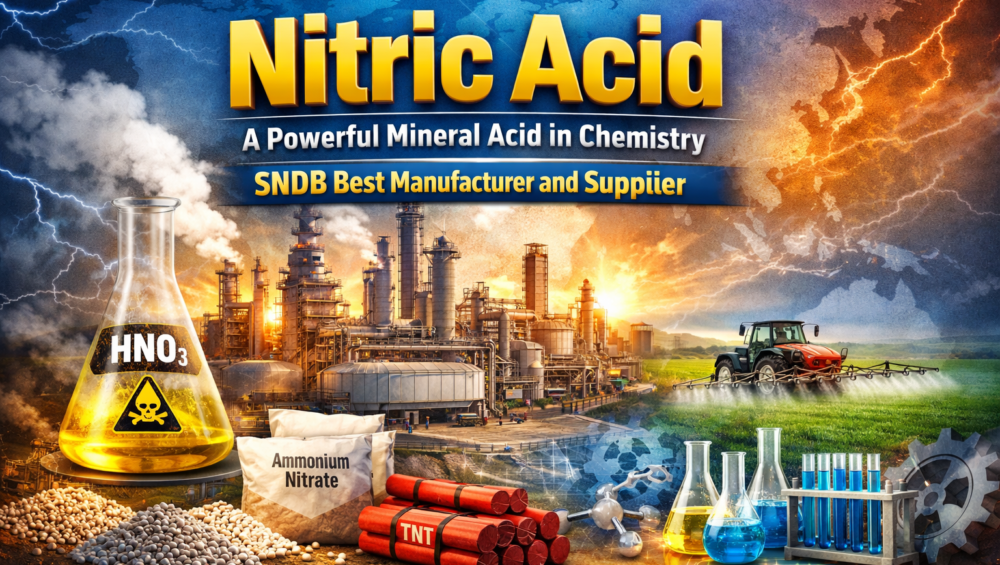
Nitric acid is one of the most important industrial chemicals used across a wide range of sectors, including fertilizers, pharmaceuticals, explosives, metal processing, dyes, and chemical manufacturing. The quality, purity, and consistency of nitric acid directly impact production efficiency and product performance. This is why industries require a trusted and reliable supplier capable of delivering high-quality nitric acid on time and in compliance with international standards.
SNDB has established itself as a reliable nitric acid supplier for chemical industries by providing premium-quality products, exceptional customer service, and dependable logistics support. With a strong commitment to quality and customer satisfaction, SNDB serves businesses across domestic and international markets.
Understanding the Importance of Nitric Acid
Nitric acid is a highly versatile mineral acid widely used in industrial applications. It serves as a key raw material in the production of:
- Ammonium nitrate fertilizers
- Specialty chemicals
- Pharmaceuticals
- Metal treatment and etching solutions
- Dyes and pigments
- Laboratory reagents
- Industrial cleaning compounds
Due to its critical role in manufacturing processes, industries need a supplier that guarantees consistent quality and reliable delivery schedules.
Why SNDB is a Trusted Nitric Acid Supplier
High-Quality Product Standards
SNDB prioritizes quality at every stage of production and supply. The company follows strict quality control procedures to ensure that every batch of nitric acid meets industry specifications and customer requirements.
Reliable Supply Chain
A strong supply chain is essential for uninterrupted industrial operations. SNDB maintains efficient inventory management and logistics systems to ensure timely deliveries, helping customers avoid production delays and downtime.
Consistent Purity Levels
Chemical industries require nitric acid with precise concentration and purity levels. SNDB’s advanced manufacturing and quality assurance processes ensure consistency in every shipment, enabling customers to maintain product quality and process efficiency.
Customer-Centric Approach
SNDB understands that every industry has unique requirements. The company works closely with clients to provide customized solutions, flexible delivery options, and responsive technical support.
Applications of SNDB Nitric Acid in Chemical Industries
Fertilizer Manufacturing
Nitric acid is a crucial component in the production of ammonium nitrate and other nitrogen-based fertilizers. SNDB supplies high-quality nitric acid that supports efficient fertilizer production.
Pharmaceutical Industry
The pharmaceutical sector relies on nitric acid for various chemical synthesis processes. SNDB provides products that meet stringent quality requirements for pharmaceutical applications.
Metal Processing
Nitric acid is commonly used for metal pickling, cleaning, etching, and refining. Industries trust SNDB for consistent-quality acid that delivers reliable results in metal treatment operations.
Chemical Manufacturing
From specialty chemicals to industrial intermediates, nitric acid is a key ingredient in numerous manufacturing processes. SNDB ensures a dependable supply to support continuous production.
Commitment to Safety and Sustainability
Handling nitric acid requires strict safety standards and responsible practices. SNDB follows industry best practices for storage, transportation, and distribution to ensure safety throughout the supply chain.
The company is also committed to environmentally responsible operations, focusing on efficient resource utilization and compliance with regulatory requirements.
Global Supply and Export Capabilities
SNDB serves customers across multiple regions with reliable export solutions. The company’s expertise in packaging, documentation, and international logistics ensures smooth delivery of nitric acid to global markets.
By maintaining high-quality standards and efficient supply operations, SNDB has built a reputation as a trusted partner for chemical industries worldwide.
Choosing the right nitric acid supplier is critical for maintaining production quality, operational efficiency, and business growth. SNDB combines product excellence, reliable supply capabilities, and customer-focused service to meet the diverse needs of chemical industries.
Whether you require nitric acid for fertilizer production, pharmaceuticals, metal processing, or chemical manufacturing, SNDB delivers dependable solutions backed by quality, consistency, and industry expertise. As a trusted manufacturer, supplier, and exporter, SNDB continues to support industries with premium nitric acid products and reliable service they can count on.