Safety Measures While Handling Nitric AcidCategoriesNitric Acid Uncategorized

Safety Measures While Handling Nitric Acid | SNDB: Best Manufacturer and supplier and exporter

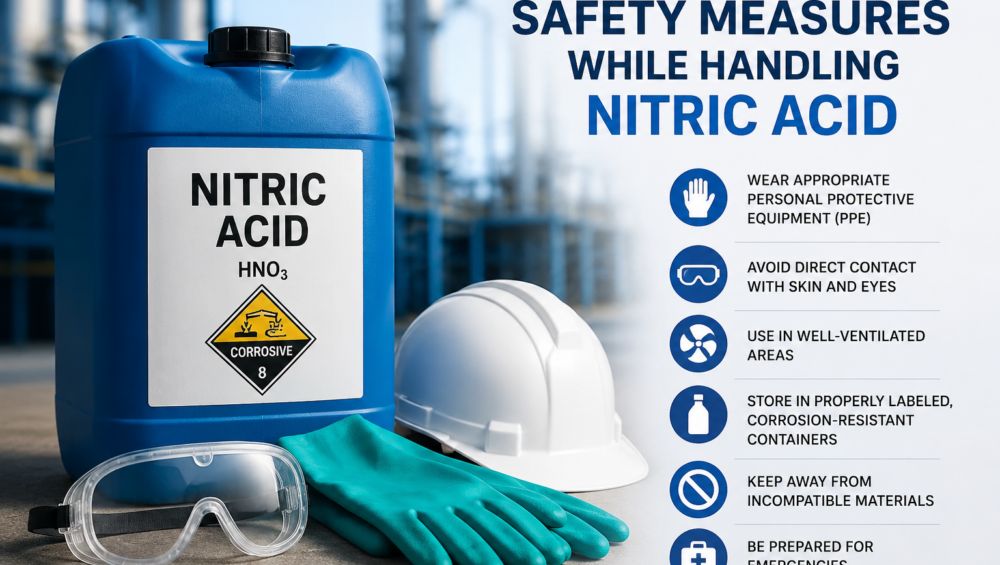
Nitric Acid (HNO₃) is one of the most widely used industrial chemicals, playing a crucial role in fertilizer production, chemical manufacturing, metal processing, pharmaceuticals, and water treatment applications. While it offers numerous industrial benefits, nitric acid is a highly corrosive and powerful oxidizing agent that requires careful handling. Exposure to nitric acid can cause severe burns, eye damage, respiratory irritation, and harmful fumes if proper safety procedures are not followed.As a trusted manufacturer, supplier, and exporter of industrial chemicals, SNDB emphasizes the importance of workplace safety when handling nitric acid.

Understanding the Hazards of Nitric Acid

Before using nitric acid, it is important to understand its potential hazards:

  • Highly corrosive to skin, eyes, and metals.
  • Produces toxic nitrogen oxide fumes that may affect the respiratory system.
  • Strong oxidizing properties can intensify fire risks when in contact with incompatible materials.
  • Can react violently with organic substances, reducing agents, and certain metals.

Essential Personal Protective Equipment (PPE)

Employees handling nitric acid should always wear:

1. Chemical-Resistant Gloves

Use acid-resistant gloves specifically rated for corrosive chemicals to prevent skin exposure.

2. Safety Goggles and Face Shield

Protect eyes and face from accidental splashes that may cause severe injuries.

3. Protective Clothing

Wear chemical-resistant aprons, full-sleeve protective suits, and safety footwear.

4. Respiratory Protection

When ventilation is inadequate, use approved respiratory protection to avoid inhalation of harmful fumes.

Safe Storage Practices

Proper storage significantly reduces the risk of accidents.

  • Store nitric acid in a cool, dry, and well-ventilated area.
  • Keep containers tightly sealed and clearly labeled.
  • Store away from combustible materials, organic substances, and incompatible chemicals.
  • Avoid direct sunlight and excessive heat sources.
  • Use corrosion-resistant storage containers approved for nitric acid.

Safe Handling Guidelines

Ensure Proper Ventilation

Nitric acid releases hazardous fumes that can affect workers’ health. Always handle the chemical in well-ventilated areas or under suitable exhaust systems.

Avoid Direct Contact

Never allow nitric acid to come into contact with bare skin, eyes, or clothing. Use dedicated equipment designed for chemical transfer and handling.

Follow Correct Dilution Procedures

When dilution is required, always add acid slowly to water. Never add water directly to concentrated acid, as it may generate excessive heat and splashing.

Use Trained Personnel

Only properly trained professionals should handle nitric acid in industrial environments.

Emergency Response Measures

Skin Contact

  • Immediately remove contaminated clothing.
  • Flush the affected area with large amounts of clean water for at least 15 minutes.
  • Seek medical attention promptly.

Eye Exposure

  • Rinse eyes continuously with water for at least 15 minutes.
  • Obtain emergency medical assistance immediately.

Inhalation Exposure

  • Move the affected person to fresh air.
  • Seek medical evaluation if breathing difficulties occur.

Spill Management

  • Evacuate unnecessary personnel from the area.
  • Wear appropriate PPE before cleanup.
  • Use compatible non-combustible absorbent materials for containment.
  • Dispose of waste according to local environmental regulations.

Importance of Workplace Safety Training

Regular safety training helps employees:

  • Understand chemical hazards.
  • Follow emergency response procedures.
  • Use PPE correctly.
  • Reduce workplace accidents and operational downtime.

Companies handling nitric acid should maintain updated Safety Data Sheets (SDS) and conduct routine safety audits.

Why Choose SNDB for Nitric Acid Supply?

SNDB is recognized as a leading manufacturer, supplier, and exporter of high-quality nitric acid and industrial chemicals. With a strong commitment to quality, safety, and customer satisfaction, SNDB delivers reliable chemical solutions for diverse industrial applications. Our products are manufactured following stringent quality standards to ensure performance, consistency, and safe industrial usage.

Nitric acid is an essential industrial chemical, but its safe handling is critical for protecting workers, equipment, and the environment. By using proper PPE, following safe storage practices, ensuring adequate ventilation, and implementing emergency response procedures, industries can significantly minimize risks associated with nitric acid handling. Partnering with a trusted supplier like SNDB ensures access to premium-quality nitric acid backed by industry expertise and a commitment to safety.
Nitric Acid Safety Precautions Every Student Should KnowCategoriesNitric Acid

Nitric Acid Safety Precautions Every Student Should Know

Nitric Acid is one of the most widely used industrial and laboratory chemicals. It plays an essential role in fertilizer production, metal processing, pharmaceuticals, dyes, and scientific research. Because of its highly corrosive and reactive nature, students and laboratory beginners must understand the correct safety practices before handling it.

As a trusted supplier and manufacturer, SNDB emphasizes safe chemical handling and responsible laboratory practices for educational institutions and industrial users alike.

What Is Nitric Acid?

Nitric Acid is a strong mineral acid with the chemical formula HNO₃. It is colorless when pure but may appear yellow due to decomposition into nitrogen oxides. The acid is highly corrosive and can react violently with certain substances.

Why Safety Is Important

Improper handling of Nitric Acid can cause:

  • Severe skin burns
  • Eye damage
  • Respiratory irritation
  • Toxic fumes
  • Chemical reactions or explosions when mixed incorrectly

Students working in chemistry laboratories should always follow standard laboratory safety procedures.

Essential Nitric Acid Safety Precautions

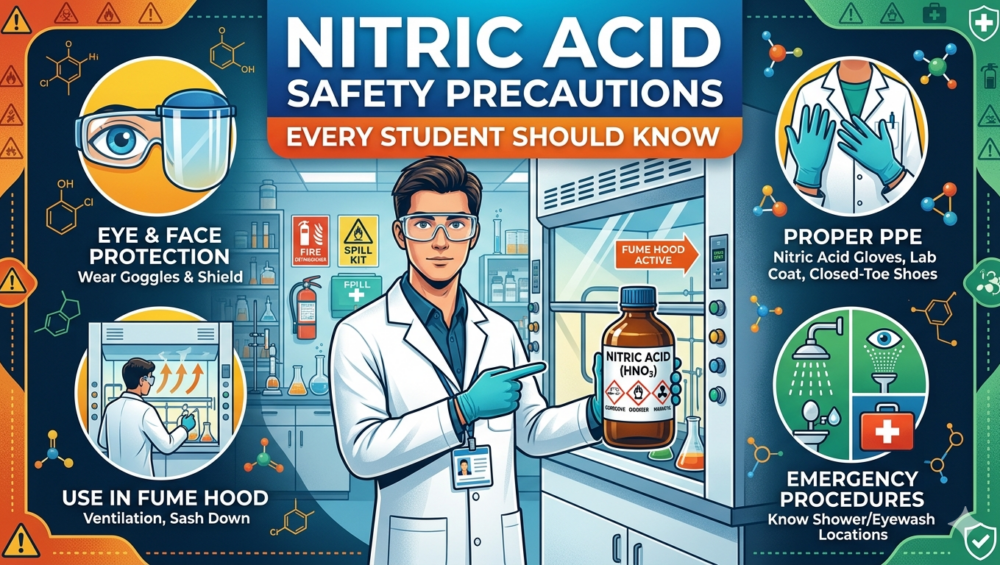
1. Wear Proper Protective Equipment

Always use:

  • Chemical-resistant gloves
  • Safety goggles or face shields
  • Laboratory coats
  • Closed-toe shoes

Protective equipment reduces the risk of burns and accidental exposure.

2. Work in a Well-Ventilated Area

Nitric Acid releases harmful fumes that may irritate the lungs and respiratory system. Laboratories should use proper ventilation systems or fume hoods during experiments.

3. Never Touch Nitric Acid Directly

Even small amounts can damage the skin. If accidental contact occurs:

  • Rinse immediately with plenty of water
  • Remove contaminated clothing
  • Seek medical attention if irritation continues

4. Always Add Acid to Water

When diluting:

  • Add acid slowly to water
  • Never pour water into acid

This prevents dangerous splashing and heat generation.

Dilution Safety Formula

The heat released during dilution can increase rapidly with concentration changes:

HNO3+H2O→Diluted Solution+HeatHNO_3 + H_2O \rightarrow \text{Diluted Solution} + \text{Heat}HNO3​+H2​O→Diluted Solution+Heat

Careful dilution procedures help avoid burns and chemical accidents.

5. Store Properly

Store Nitric Acid:

  • In tightly sealed containers
  • Away from sunlight and heat
  • Separate from organic materials and metals

Proper storage minimizes chemical reactions and leakage risks.

6. Avoid Mixing with Incompatible Chemicals

Nitric Acid reacts strongly with:

  • Alcohols
  • Organic compounds
  • Reducing agents
  • Certain metals

Incorrect mixing may produce toxic gases or explosions.

7. Learn Emergency Procedures

Students should know:

  • Location of eyewash stations
  • Emergency shower procedures
  • Spill response methods
  • Laboratory evacuation plans

Preparedness can reduce injuries during accidents.

Common Laboratory Uses of Nitric Acid

Nitric Acid is commonly used for:

  • Chemical analysis
  • Metal etching
  • Fertilizer manufacturing
  • Academic chemistry experiments
  • Industrial cleaning

Because of these wide applications, safety training is essential for every science student.

Choosing a Reliable Nitric Acid Supplier

High-quality chemicals are critical for safe laboratory and industrial operations. SNDB is recognized for providing reliable chemical solutions, consistent product quality, and professional manufacturing standards for educational and industrial applications.

Understanding proper handling methods for Nitric Acid is essential for laboratory safety. By wearing protective equipment, following correct dilution procedures, and storing chemicals responsibly, students can minimize risks and conduct experiments safely.

Educational institutions and laboratories should always source chemicals from experienced manufacturers and suppliers such as SNDB to ensure product quality and safety compliance.

sndb | Hydrogen Peroxide: Helpful Disinfectant or Hidden Hazard?CategoriesUncategorized

SNDB | Hydrogen Peroxide: Helpful Disinfectant or Hidden Hazard?

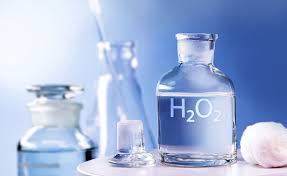
One of the most common chemicals used in homes, hospitals, and businesses across the globe is hydrogen peroxide. It is essential to industry, food processing, water treatment, and healthcare due to its potent disinfection qualities. But like many chemical agents, this useful solution can become dangerous if it is handled incorrectly or misused.

What Is Hydrogen Peroxide?

Although it is frequently supplied as a colorless, diluted solution, pure hydrogen peroxide (H2O₂) is a pale blue liquid. It functions as a potent oxidant, destroying the cell structures of bacteria, viruses, and fungus.

Helpful Disinfectant: Key Benefits

Hydrogen peroxide is valued for its versatility and effectiveness:

  • Medical and Healthcare Use: Used to disinfect wounds, surgical tools, and surfaces.
  • Water Treatment: Eliminates harmful microorganisms without leaving toxic residues.
  • Food & Beverage Industry: Used for packaging sterilization and processing hygiene.
  • Environmentally Friendly: Breaks down into water and oxygen, making it a greener alternative to chlorine-based chemicals.
  • Industrial Applications: Used in textiles, paper bleaching, electronics, and chemical synthesis.

Hidden Hazard: Risks and Precautions

Despite its benefits, hydrogen peroxide can pose risks if not used correctly:

  • Skin and Eye Irritation: High concentrations can cause burns or tissue damage.
  • Inhalation Risks: Vapors from concentrated solutions may irritate the respiratory system.
  • Improper Storage: Exposure to heat, light, or contamination can cause decomposition and pressure buildup.
  • Incorrect Dilution: Using industrial-grade hydrogen peroxide without proper knowledge can be dangerous.

Strict safety protocols, proper labeling, and quality control are essential to minimize these risks.

Why Quality and Manufacturer Matter

Hydrogen peroxide’s efficacy and safety are mostly determined by its manufacturing standards, purity, and concentration precision. This is the point at which selecting a trustworthy manufacturer becomes crucial.

SNDB – A Trusted Hydrogen Peroxide Manufacturer

It is regarded as one of the top producers of hydrogen peroxide, offering premium goods for industrial, medical, and environmental uses. SNDB guarantees the following through stringent quality control, cutting-edge production technology, and adherence to global safety regulations:

  • Consistent and accurate concentrations
  • High purity and stability
  • Safe packaging and transportation
  • Reliable supply for large-scale and specialized needs

Industries and consumers can confidently take use of hydrogen peroxide’s cleaning capability while reducing potential risks by buying it from a reliable manufacturer like SNDB.

When used properly, hydrogen peroxide is unquestionably a useful disinfectant, but improper handling and quality control can turn it into a hidden hazard. Unlocking its benefits safely requires selecting a reliable producer, adhering to safety regulations, and utilizing the appropriate concentration.

With trusted suppliers like SNDB, hydrogen peroxide remains a powerful, effective, and responsible solution across industries.

hydrogen peridoxide | sndbCategoriesHydrochloric acid

Hydrochloric Acid: Properties, Uses, and Safety Precautions Explained | SNDB

One of the most common acids used in labs, the chemical industry, and even domestic settings is hydrochloric acid (HCl). Professionals and customers alike must be aware of its characteristics, applications, and safety measures. With assistance from SNDB, a top producer and supplier of premium chemical products, we present a thorough analysis of hydrochloric acid and its uses in this article.

What is Hydrochloric Acid?

HCL dissolved in water forms the powerful, caustic acid known as hydrochloric acid. It has a strong, grating odor and is a clear, colorless to slightly yellow liquid. Being a strong acid that totally dissociates in water, it is extremely reactive and useful in a wide range of chemical reactions.

Chemical Formula: HCl
Molar Mass: 36.46 g/mol
Density: 1.18 g/cm³ (concentrated)
Boiling Point: -85°C (as gas), 110°C (aqueous solution)
Solubility: Completely soluble in water

Properties of Hydrochloric Acid

Hydrochloric acid exhibits several key physical and chemical properties that make it highly versatile:

  1. Strong Acid: Fully dissociates in water to release hydrogen ions.
  2. Corrosive Nature: Can corrode metals and organic tissues, making it hazardous if mishandled.
  3. Reactivity: Reacts with bases, metals, and salts to form various products.
  4. pH Level: Extremely low (around 0–1 for concentrated solutions).
  5. Density and Volatility: Concentrated hydrochloric acid is heavier than water and releases fumes at room temperature.

Uses of Hydrochloric Acid

HCL is widely used in both industrial and domestic applications. Some common uses include:

1. Industrial Applications

  • Metal Processing: Used in pickling of steel to remove rust and scale.
  • Chemical Manufacturing: Essential for producing PVC, fertilizers, dyes, and pharmaceuticals.
  • Oil and Gas: Used in oil well acidizing to enhance extraction.

2. Laboratory Applications

  • pH Adjustment: Used to control the acidity of solutions.
  • Titration: Commonly used in acid-base titrations to determine concentrations of unknown substances.
  • Synthesis: Used in chemical reactions to produce various compounds.

3. Household Uses

  • Cleaning Agent: Can clean masonry, tiles, and remove limescale.
  • Food Processing: Sometimes used in the production of gelatin and as a food additive under controlled conditions.

Safety Precautions When Handling Hydrochloric Acid

When handled improperly, hydrochloric acid can cause severe burns due to its powerful corrosive properties. It is crucial to follow safety precautions:

  1. Wear Protective Gear: Always use gloves, goggles, and protective clothing.
  2. Proper Ventilation: Use in a well-ventilated area to avoid inhaling fumes.
  3. Avoid Mixing with Incompatible Chemicals: Never mix with bleach, ammonia, or oxidizing agents.
  4. Storage: Keep in tightly sealed containers away from heat and direct sunlight.
  5. Emergency Measures: In case of contact with skin or eyes, rinse immediately with plenty of water and seek medical attention.

Why Choose SNDB for Hydrochloric Acid?

SNDB is a trusted name in the chemical industry, known for providing high-quality HCL that meets industrial standards. We ensure:

  • High Purity: Ensures optimal performance in all applications.
  • Safe Packaging: Reduces the risk of leaks and accidents during transport.
  • Reliable Supply: Timely delivery for both industrial and laboratory needs.

With a variety of uses in industry, labs, and even some domestic chores, HCL is an essential chemical. Strict safety measures are necessary for its efficiency. It is crucial to comprehend its qualities and handle it securely whether you are utilizing it for cleaning, chemical investigations, or industrial procedures.