Acetic Acid in Pharmaceuticals: Key Applications and BenefitsCategoriesAcid

Acetic Acid in Pharmaceuticals: Key Applications and Benefits

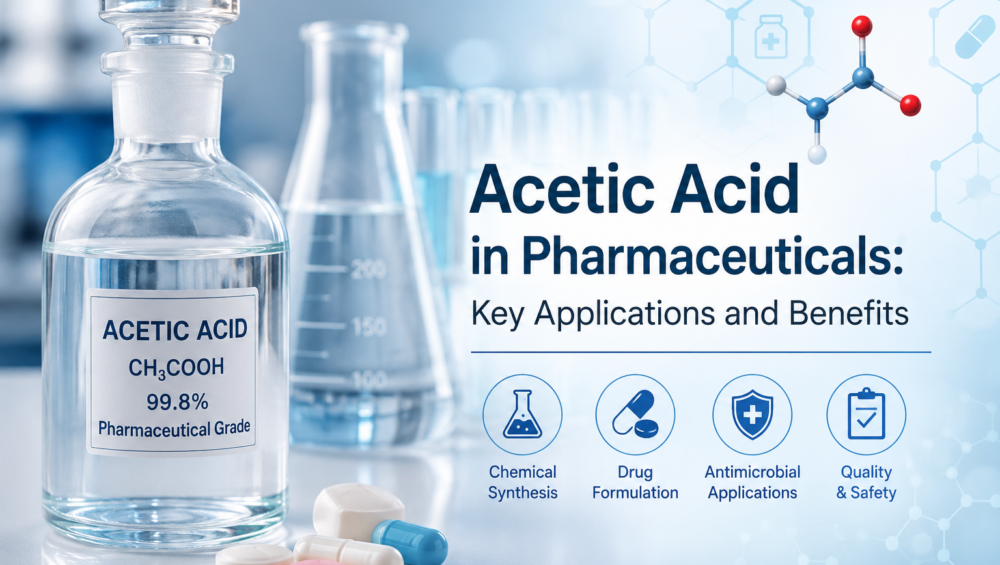
Acetic acid is one of the most important organic compounds used across various industries, including pharmaceuticals. Known for its versatility, purity, and effectiveness, acetic acid plays a crucial role in drug manufacturing, chemical synthesis, formulation development, and laboratory research. Pharmaceutical-grade acetic acid is highly refined and meets strict quality standards, making it suitable for use in medicinal products and healthcare applications.

As the pharmaceutical industry continues to expand globally, the demand for high-quality acetic acid has increased significantly due to its essential role in producing active pharmaceutical ingredients (APIs) and other healthcare products.

What is Acetic Acid?

Acetic acid (CH₃COOH) is a colorless organic acid with a distinctive pungent odor. It is the primary component responsible for the sour taste and smell of vinegar. However, pharmaceutical-grade acetic acid is manufactured under highly controlled conditions to achieve exceptional purity levels required for medical and pharmaceutical applications.

Its unique chemical properties make it an indispensable raw material for numerous pharmaceutical processes.

Key Applications of Acetic Acid in Pharmaceuticals

1. Production of Active Pharmaceutical Ingredients (APIs)

One of the most important uses of acetic acid is in the synthesis of Active Pharmaceutical Ingredients (APIs). Many medications require acetic acid as a chemical intermediate during production. It helps facilitate chemical reactions necessary to create complex pharmaceutical compounds.

Acetic acid contributes to the manufacturing of:

  • Antibiotics
  • Anti-inflammatory drugs
  • Cardiovascular medications
  • Pain relievers
  • Antiviral medications

Its effectiveness as a reaction medium ensures high-quality pharmaceutical products.

2. Solvent in Drug Manufacturing

Acetic acid serves as an excellent solvent in pharmaceutical production. It helps dissolve various compounds during synthesis and purification processes. Due to its ability to mix with water and many organic substances, acetic acid improves manufacturing efficiency and product consistency.

Benefits of using acetic acid as a solvent include:

  • Enhanced reaction control
  • Improved product purity
  • Better yield during synthesis
  • Efficient extraction processes

3. Buffer Solutions and pH Regulation

Maintaining the correct pH level is critical in pharmaceutical formulations. Acetic acid is commonly used in buffer solutions to regulate acidity and ensure the stability of medicinal products.

Applications include:

  • Injectable medications
  • Oral liquid formulations
  • Eye drops
  • Laboratory reagents

Proper pH control helps improve drug effectiveness and shelf life.

4. Manufacturing Acetate-Based Pharmaceuticals

Acetic acid is a key raw material for producing acetate compounds widely used in medicine. These compounds serve various therapeutic purposes and are incorporated into numerous pharmaceutical formulations.

Common acetate derivatives include:

  • Sodium acetate
  • Calcium acetate
  • Potassium acetate
  • Zinc acetate

These compounds are used in treatments related to electrolyte balance, kidney disorders, and nutritional supplementation.

5. Antimicrobial and Antiseptic Applications

Acetic acid possesses natural antimicrobial properties that make it useful in certain medical and healthcare applications. It has been utilized in specialized treatments and topical formulations to help manage bacterial growth.

Healthcare professionals may use acetic acid solutions for:

  • Wound care applications
  • Ear infection treatments
  • Antiseptic formulations
  • Medical cleaning procedures

Its effectiveness against specific microorganisms contributes to improved patient care.

6. Laboratory and Research Applications

Pharmaceutical research laboratories rely on acetic acid for analytical testing, chemical synthesis, and formulation development. Researchers use it extensively in quality control and drug discovery programs.

Applications include:

  • Chromatography procedures
  • Chemical analysis
  • Research experiments
  • Drug formulation studies

Its reliability and chemical stability make it a valuable laboratory reagent.

Benefits of Acetic Acid in the Pharmaceutical Industry

High Purity Standards

Pharmaceutical-grade acetic acid is manufactured according to stringent quality requirements, ensuring safety and consistency in medical products.

Excellent Chemical Stability

Acetic acid remains stable under controlled conditions, making it suitable for long-term pharmaceutical applications.

Versatile Applications

From API production to formulation development, acetic acid serves multiple functions within pharmaceutical manufacturing processes.

Cost-Effective Production

Its widespread availability and efficient manufacturing processes help pharmaceutical companies maintain cost-effective operations.

Improved Drug Quality

By supporting purification, synthesis, and formulation processes, acetic acid contributes to the production of high-quality medications.

Safety and Handling Considerations

While acetic acid offers numerous benefits, proper handling is essential in pharmaceutical environments. Manufacturers must follow strict safety protocols to prevent exposure and ensure workplace safety.

Key precautions include:

  • Use of protective equipment
  • Proper ventilation systems
  • Secure storage containers
  • Compliance with pharmaceutical regulations

Following these practices helps maintain product quality and employee safety.

Future Outlook of Acetic Acid in Pharmaceuticals

The pharmaceutical industry is expected to witness continued growth driven by increasing healthcare demands, technological advancements, and expanding drug development programs. As a result, the need for high-purity acetic acid will continue to rise.

Emerging applications in biotechnology, advanced drug formulations, and specialty pharmaceuticals are creating new opportunities for acetic acid manufacturers and suppliers worldwide.

Acetic acid plays a vital role in the pharmaceutical industry, supporting everything from API synthesis and solvent applications to pH regulation and research activities. Its versatility, reliability, and effectiveness make it an indispensable component in modern drug manufacturing.

As pharmaceutical innovation continues to evolve, acetic acid will remain a critical raw material that helps ensure the production of safe, effective, and high-quality medicines for patients around the world.

SNDB best manufacturer and supplier and exporter
SNDB – Trusted Manufacturer & Supplier of Industrial and Pharma-Grade Formic AcidCategoriesFormic Acid

Affordable Formic Acid with Premium Quality – SNDB Trusted Supplier

Businesses are continuously searching for high-quality, reasonably priced chemical solutions in the cutthroat industrial environment of today. One brand sticks out in the market for formic acid: SNDB, a reliable supplier and manufacturer renowned for providing both affordability and superior quality.

What is Formic Acid?

The most basic carboxylic acid, formic acid (HCOOH), is utilized extensively in many different sectors. It is now an essential chemical in the textile, leather, rubber, agriculture, and chemical processing industries due to its potent antibacterial qualities and superior preservation capabilities.

Why Choose SNDB for Formic Acid?

  1. Premium Quality Assurance
    SNDB ensures that every batch of Formic Acid meets international safety and purity standards, making it suitable for industrial as well as commercial applications.
  2. Affordable Pricing
    Unlike many suppliers who compromise on price or quality, SNDB strikes the perfect balance – providing top-grade Formic Acid at competitive rates.
  3. Trusted Supply Chain
    With a strong network and timely delivery system, SNDB has become a reliable partner for industries across India and abroad.
  4. Customized Solutions
    SNDB understands that different industries require different grades and concentrations of Formic Acid, offering tailor-made solutions for clients.

Applications of Formic Acid Supplied by SNDB

  • Agriculture – Used as a preservative in animal feed and silage.
  • Leather Industry – Essential for tanning and dyeing processes.
  • Textiles – Acts as a dyeing and finishing agent.
  • Rubber Industry – Helps in latex coagulation.
  • Chemicals – Used in various formulations and production processes.

SNDB – The Name You Can Trust

With years of experience, SNDB has established itself as one of the top producers and distributors of formic acid. The business guarantees that customers always receive high-quality, reasonably priced chemical solutions by fusing cutting-edge production technology with stringent quality controls.

SNDB is your best bet if you’re looking for premium formic acid at a reasonable cost. SNDB remains a valued leader in the chemical business thanks to its high standards, dependable supply, and customer-focused services.

CategoriesHydrochloric acid

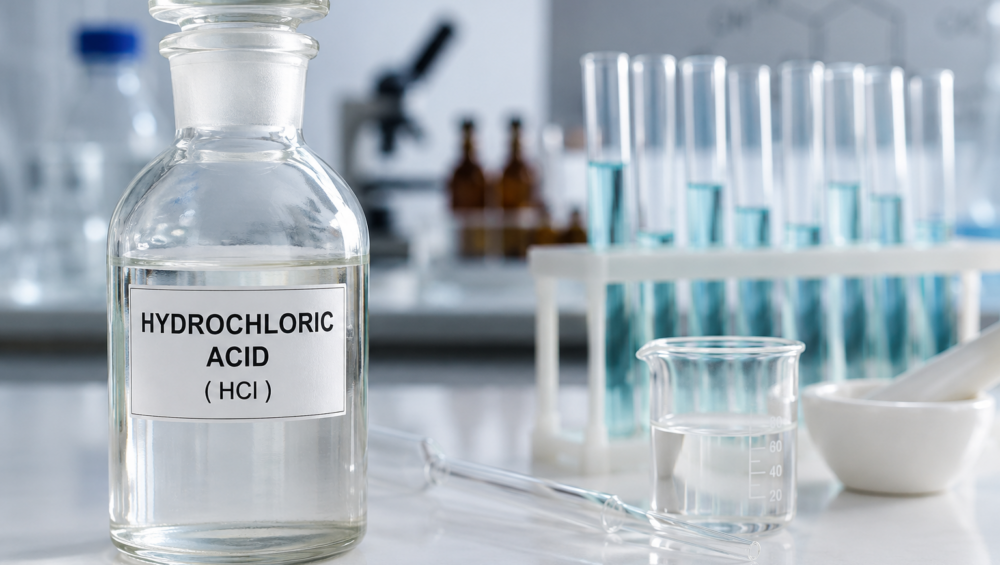
Common Laboratory Uses of Hydrochloric Acid in Scientific Research | SNDB – Best Manufacturer, Supplier & Exporter

Hydrochloric Acid (HCl) is one of the most widely used and essential chemicals in scientific laboratories across the world. Due to its strong acidic properties, high reactivity, and versatility, hydrochloric acid plays a critical role in various research, analytical, and industrial applications. From educational laboratories to advanced research facilities, hydrochloric acid is indispensable for numerous scientific procedures.

As a leading manufacturer, supplier, and exporter of high-quality Hydrochloric Acid, SNDB is committed to delivering premium-grade chemical solutions that meet stringent quality standards for laboratories, research institutions, and industrial applications worldwide.

What is Hydrochloric Acid?

Hydrochloric Acid is a clear, colorless, highly corrosive mineral acid composed of hydrogen chloride dissolved in water. Its chemical formula is HCl. The acid is known for its strong acidic nature and is extensively used in chemical synthesis, analytical testing, and laboratory experiments.

Common Laboratory Uses of Hydrochloric Acid in Scientific Research

1. Chemical Analysis and Titration

Hydrochloric acid is extensively used in analytical chemistry for acid-base titrations. Scientists utilize standardized HCl solutions to determine the concentration of unknown alkaline substances accurately.

Applications include:

  • Quantitative analysis
  • pH determination
  • Standardization of solutions
  • Volumetric analysis

2. Sample Preparation

Researchers frequently use hydrochloric acid to prepare samples before conducting analytical tests. It helps dissolve metals, minerals, and various inorganic compounds, making them suitable for further examination.

Sample preparation applications include:

  • Metal dissolution
  • Digestion of geological samples
  • Environmental sample processing
  • Preparation of biological specimens

3. pH Adjustment in Laboratory Experiments

Maintaining accurate pH levels is crucial in scientific research. Hydrochloric acid is commonly used to lower the pH of solutions in laboratory experiments, ensuring optimal conditions for chemical reactions and biological studies.

Fields utilizing pH adjustment include:

  • Biochemistry
  • Microbiology
  • Environmental science
  • Pharmaceutical research

4. Reagent Preparation

Hydrochloric acid serves as a key reagent in preparing numerous chemical compounds and laboratory reagents. It participates in a wide range of chemical reactions and synthesis procedures.

Examples include:

  • Preparation of chloride salts
  • Organic synthesis reactions
  • Inorganic chemical production
  • Buffer solution preparation

5. Cleaning Laboratory Equipment

Laboratories often use dilute hydrochloric acid solutions to remove mineral deposits, metal oxides, and contaminants from glassware and scientific instruments.

Benefits include:

  • Effective removal of residues
  • Improved equipment accuracy
  • Prevention of contamination
  • Enhanced experimental reliability

6. Metal Analysis and Research

Hydrochloric acid is extensively employed in metallurgical and materials research for dissolving metal samples and conducting elemental analysis.

Research applications include:

  • Metal composition analysis
  • Corrosion studies
  • Alloy characterization
  • Surface treatment investigations

7. Biological and Pharmaceutical Research

In biological and pharmaceutical laboratories, hydrochloric acid is used in drug formulation studies, protein analysis, and various biochemical experiments.

Important applications include:

  • Pharmaceutical formulation
  • Protein hydrolysis
  • Enzyme studies
  • Drug development research

Safety Precautions When Using Hydrochloric Acid in Laboratories

Although hydrochloric acid is highly useful, proper safety measures are essential.

Recommended Safety Practices:

  • Always wear gloves, safety goggles, and laboratory coats.
  • Work in a well-ventilated area or fume hood.
  • Store hydrochloric acid in corrosion-resistant containers.
  • Avoid direct contact with skin and eyes.
  • Follow laboratory safety guidelines and emergency procedures.

Why Choose SNDB for Hydrochloric Acid?

SNDB has established itself as a trusted manufacturer, supplier, and exporter of premium-quality Hydrochloric Acid. With a strong focus on quality, safety, and customer satisfaction, SNDB caters to the diverse needs of laboratories and industries globally.

Why Customers Trust SNDB:

  • High-purity Hydrochloric Acid.
  • Strict quality control standards.
  • Advanced manufacturing facilities.
  • Timely delivery across domestic and international markets.
  • Competitive pricing.
  • Customized packaging solutions.
  • Reliable customer support.

Hydrochloric Acid remains an indispensable chemical in scientific research due to its versatility and effectiveness in laboratory applications. Whether used for analytical testing, sample preparation, reagent synthesis, or equipment cleaning, hydrochloric acid significantly contributes to scientific advancements.

For laboratories and industries seeking premium-quality Hydrochloric Acid, SNDB stands as the preferred manufacturer, supplier, and exporter, delivering reliable chemical solutions that meet international quality standards.

Best Acetic Acid Supplier in India – SNDB Sets the Industry StandardCategoriesUncategorized

Physical and Chemical Properties of Acetic Acid Explained | SNDB – Manufacturer, Supplier & Exporter

Acetic acid is one of the most important organic acids widely used in chemical industries, laboratories, pharmaceuticals, and food processing. Known for its sharp vinegar-like smell and strong acidic nature, it plays a key role in both industrial applications and everyday life.

Physical Properties of Acetic Acid

Acetic acid (CH₃COOH) is a clear, colorless liquid under normal conditions. It has a pungent odor similar to vinegar due to its presence in diluted form in household vinegar.

Key physical properties include:

  • Molecular formula: CH₃COOH
  • Molecular weight: 60.05 g/mol
  • Boiling point: 118°C
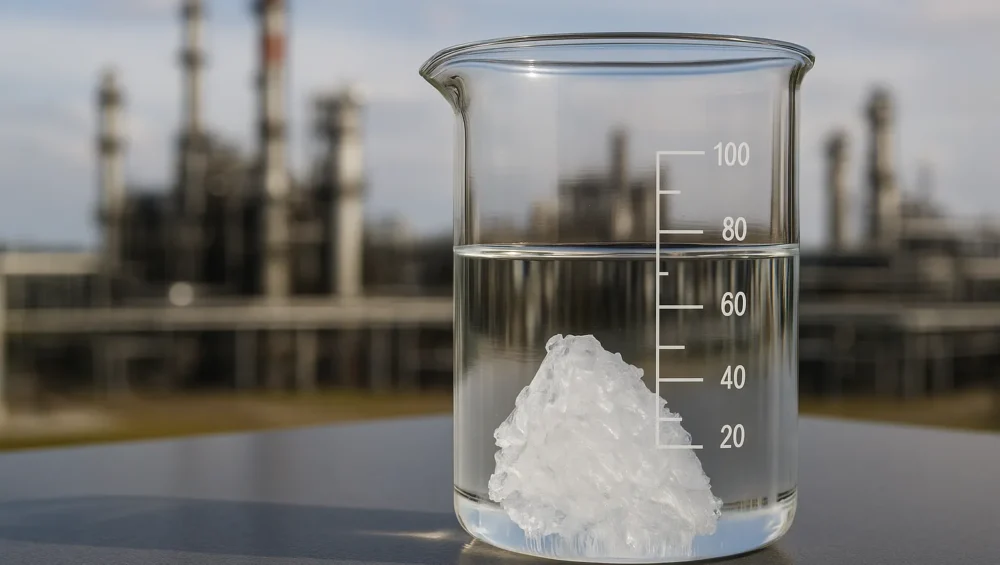
  • Melting point: 16.6°C (forms “glacial acetic acid” below this temperature)
  • Appearance: Colorless liquid
  • Odor: Strong, sour vinegar-like smell
  • Solubility: Completely miscible with water

Because of its relatively low freezing point, pure acetic acid can solidify in cold climates, earning the name glacial acetic acid.

Chemical Properties of Acetic Acid

Acetic acid is a weak organic acid, but it shows strong reactivity in many chemical processes.

Important chemical properties include:

  • Weak acid behavior: Partially ionizes in water to release hydrogen ions (H⁺)
  • Reacts with bases: Forms salts such as sodium acetate
  • Esterification: Reacts with alcohols to form esters (used in perfumes and flavoring agents)
  • Reaction with metals: Produces hydrogen gas and metal acetates
  • Decarboxylation reactions: Used in organic synthesis processes

These properties make acetic acid highly valuable in chemical manufacturing industries.

Industrial Importance of Acetic Acid

Acetic acid is widely used in:

  • Production of vinyl acetate monomer (VAM)
  • Manufacture of synthetic fibers and plastics
  • Food preservation and vinegar production
  • Pharmaceutical formulations
  • Solvent applications in chemical industries

SNDB – Leading Manufacturer, Supplier & Exporter of Acetic Acid

SNDB is recognized as a reliable name in the chemical industry, offering high-quality acetic acid for multiple industrial applications. As a manufacturer, supplier, and exporter, SNDB focuses on maintaining product purity, consistent quality, and timely delivery to clients across various sectors.

Key strengths include:

  • High-purity acetic acid production
  • Bulk supply capability for industrial demand
  • Export-quality packaging and standards
  • Reliable logistics and global supply chain support
  • Quality-tested chemical products for industrial use

SNDB continues to support industries such as pharmaceuticals, textiles, food processing, and chemical manufacturing with dependable acetic acid solutions.

Acetic acid is a versatile chemical with significant physical and chemical importance in both laboratory and industrial settings. Its wide range of applications makes it one of the most essential organic acids globally. Companies like SNDB play a key role in ensuring its availability as a high-quality industrial chemical for global markets.

CategoriesNitric Acid

Laboratory Applications of Nitric Acid | SNDB Best Manufacturer, Supplier and Exporter

Nitric acid (HNO₃) is one of the most important mineral acids used in scientific laboratories, research facilities, educational institutions, and industrial testing centers. Known for its strong oxidizing properties and high reactivity, nitric acid plays a major role in chemical analysis, sample preparation, metal treatment, and laboratory experiments. As a trusted manufacturer, supplier, and exporter, SNDB provides high-quality nitric acid suitable for various laboratory and industrial applications.

What is Nitric Acid?

Nitric acid is a highly corrosive and colorless to yellowish liquid composed of hydrogen, nitrogen, and oxygen. It is widely used in laboratories because of its ability to react with metals, dissolve compounds, and participate in analytical procedures. The chemical formula of nitric acid is HNO₃, and it is commonly available in different concentrations depending on laboratory requirements.

Major Laboratory Applications of Nitric Acid

1. Chemical Analysis and Testing

Nitric acid is extensively used in analytical laboratories for preparing samples and conducting chemical tests. It helps dissolve metals and mineral samples before analysis using advanced instruments such as spectroscopy and chromatography systems.

Researchers use nitric acid to remove impurities and prepare accurate testing solutions.

2. Sample Digestion Procedures

Laboratories often use nitric acid in sample digestion processes to break down organic materials and complex compounds. This method is especially important in:

  • Environmental testing laboratories
  • Food analysis laboratories
  • Pharmaceutical research centers
  • Agricultural testing facilities

Sample digestion with nitric acid improves accuracy and reliability in analytical measurements.

3. Metal Cleaning and Surface Treatment

Nitric acid is used to clean laboratory equipment and metal surfaces. It removes oxidation layers, rust, and contaminants from stainless steel instruments and laboratory tools.

Applications include:

  • Cleaning scientific instruments
  • Surface preparation for experiments
  • Metal passivation processes
  • Removal of unwanted deposits

4. Reagent Preparation

Nitric acid serves as a key reagent in many chemical reactions and laboratory formulations. It is combined with other chemicals to create solutions used in experiments, synthesis processes, and analytical testing.

Its strong oxidizing nature makes it suitable for controlled laboratory reactions.

5. Research and Development Activities

Research laboratories use nitric acid in developing new compounds, studying reaction mechanisms, and conducting scientific investigations. Universities and industrial R&D centers rely on nitric acid for:

  • Experimental chemistry studies
  • Material science research
  • Nanotechnology applications
  • Industrial process development

6. Preparation of Nitrates

Nitric acid reacts with metals and bases to form nitrate compounds. These nitrates are widely used in laboratory studies, fertilizer research, and industrial testing procedures.

Common nitrate preparations include sodium nitrate, potassium nitrate, and ammonium nitrate under controlled laboratory environments.

Safety Measures When Handling Nitric Acid

Because nitric acid is highly corrosive and reactive, laboratories must follow strict safety procedures:

  • Wear chemical-resistant gloves and protective clothing
  • Use safety goggles and face shields
  • Work in properly ventilated areas or fume hoods
  • Store nitric acid in approved containers
  • Avoid direct contact with skin and eyes
  • Keep away from incompatible substances

Proper handling ensures safe laboratory operations and prevents accidents.

Why Choose SNDB for Nitric Acid Supply?

SNDB is recognized as a reliable manufacturer, supplier, and exporter of high-quality nitric acid for laboratory and industrial use. The company focuses on quality standards, safe packaging, timely delivery, and customer satisfaction.

Key advantages include:

  • High-purity nitric acid products
  • Consistent quality assurance
  • Industrial and laboratory grades available
  • Secure packaging solutions
  • Export support and logistics services
  • Competitive pricing and dependable supply

Nitric acid remains an essential chemical in modern laboratories due to its importance in chemical analysis, sample digestion, reagent preparation, metal treatment, and research applications. Its versatility makes it indispensable across educational, scientific, pharmaceutical, and industrial sectors. With quality products and reliable service, SNDB continues to support laboratories and industries with premium nitric acid solutions worldwide.

Understanding Acetic Acid (CH₃COOH): The Chemistry of VinegarCategoriesUncategorized

Understanding Acetic Acid (CH₃COOH): The Chemistry of Vinegar

Acetic acid, with the chemical formula CH₃COOH, is a weak organic acid best known as the main active component of vinegar. It is responsible for vinegar’s characteristic sour taste and pungent smell. Beyond food, acetic acid plays an important role in chemistry, industry, and everyday life.

What is Acetic Acid?

Acetic acid is a carboxylic acid, meaning it contains the functional group –COOH (carboxyl group). Its structure consists of a methyl group (CH₃–) attached to a carboxyl group (–COOH).

Basic properties:

  • Chemical formula: CH₃COOH
  • Molar mass: 60.05 g/mol
  • Appearance: Colorless liquid
  • Odor: Strong vinegar-like smell
  • Nature: Weak acid

When dissolved in water, acetic acid partially ionizes, releasing hydrogen ions (H⁺), which gives it acidic properties.

Acetic Acid in Vinegar

Vinegar is essentially a dilute solution of acetic acid in water, typically containing about 4–8% acetic acid.

How it is formed:

Vinegar is produced through a two-step fermentation process:

  1. Alcoholic fermentation:
    Sugars → Ethanol (C₂H₅OH)
  2. Acetic acid fermentation:
    Ethanol + Oxygen → Acetic acid + Water
    (done by Acetobacter bacteria)

This biological process converts alcoholic liquids (like wine or cider) into vinegar.

Chemical Behavior of Acetic Acid

Although acetic acid is classified as a weak acid, it still shows typical acid reactions:

1. Dissociation in water:

CH₃COOH ⇌ CH₃COO⁻ + H⁺

2. Reaction with bases (neutralization):

CH₃COOH + NaOH → CH₃COONa + H₂O
(sodium acetate + water)

3. Reaction with metals:

It reacts slowly with metals like zinc, producing hydrogen gas.

Uses of Acetic Acid

Acetic acid is not only found in vinegar but is widely used in different industries:

Food industry:

  • Preservative in pickles and sauces
  • Flavoring agent

Chemical industry:

  • Production of acetate salts
  • Manufacture of plastics like polyvinyl acetate (PVA)
  • Used in solvents and dyes

Laboratory use:

  • Acid-base titrations
  • Preparation of buffer solutions

Household use:

  • Cleaning agent
  • Deodorizing and disinfecting surfaces

Physical and Chemical Importance

Acetic acid is important in chemistry because it helps demonstrate:

  • Weak acid behavior
  • Equilibrium concepts
  • Buffer systems (acetic acid + sodium acetate)
  • Organic reaction mechanisms

Safety and Handling

Concentrated acetic acid (glacial acetic acid) is corrosive and should be handled carefully:

  • Can cause skin burns
  • Irritates eyes and respiratory system
  • Should be used with protective equipment in labs

Acetic acid is a simple yet highly important compound in both nature and industry. As the main component of vinegar, it connects everyday life with fundamental chemical principles. From food preservation to industrial manufacturing, CH₃COOH plays a vital role in chemistry and human life.

SNDB is a trusted manufacturer, supplier, and exporter known for delivering high-quality acetic acid used across industries such as food processing, chemicals, pharmaceuticals, and textiles. The company focuses on maintaining strict quality standards, ensuring purity, and providing reliable supply chains to meet both domestic and international demand. With strong production capabilities and efficient logistics, SNDB has built a reputation for consistent performance, timely delivery, and customer satisfaction, making it a preferred partner in the global chemical market.

Chemical Behavior and Reactivity of Nitric Acid (HNO₃) SNDB – Best Manufacturer, Supplier, and ExporterCategoriesNitric Acid

Chemical Behavior and Reactivity of Nitric Acid (HNO₃)| SNDB Best Manufacturer and supplier

One of the most significant mineral acids utilized in contemporary chemical industries is nitric acid (HNO₃). Nitric acid, which is well-known for its potent oxidizing and strong acidic qualities, is essential to the synthesis of fertilizer, explosives, metals, medicines, dyes, and laboratory research. Being a top producer, supplier, and exporter, SNDB provides premium nitric acid that satisfies exacting industrial and global requirements.

Chemical Properties of Nitric Acid

Nitric acid is a colorless to light yellow liquid with a strong, unpleasant smell. It dissolves easily in water and has the chemical formula HNO₃. Compared to concentrated nitric acid, which typically contains about 68% HNO₃ by weight, fuming nitric acid has a higher HNO₃ level.

1. Strong Acidic Nature

Nitric acid is a strong monoprotic acid, meaning it completely dissociates in water:

HNO₃ → H⁺ + NO₃⁻

Because of complete ionization, it has a very low pH and reacts readily with bases to form nitrates and water in neutralization reactions.

Example:
HNO₃ + NaOH → NaNO₃ + H₂O

Oxidizing Behavior

Nitric acid’s potent oxidizing power is one of its most crucial properties. When nitric acid reacts with metals, it usually does not release hydrogen gas, in contrast to many other acids. Rather, it reduces to nitrogen oxides like NO₂ or NO by oxidizing metals.

Reaction with Metals

With copper:
Cu + 4HNO₃ (conc.) → Cu(NO₃)₂ + 2NO₂ + 2H₂O

With dilute acid, nitric oxide (NO) is formed instead of nitrogen dioxide (NO₂).

This powerful oxidizing property makes nitric acid highly useful in metal refining, etching, and cleaning processes.

Reaction with Non-Metals

Nitric acid also reacts with non-metals such as carbon and sulfur due to its oxidizing nature.

Example:
C + 4HNO₃ → CO₂ + 4NO₂ + 2H₂O

These reactions demonstrate its ability to oxidize non-metallic substances effectively.

Nitration Reactions

In nitration processes, which add a nitro group (-NO₂) into organic molecules, nitric acid is essential. Pharmaceuticals, dyes, and explosives are all produced using this method.

For example, in the presence of sulfuric acid, nitric acid generates the nitronium ion (NO₂⁺), a powerful electrophile used in aromatic substitution reactions.

Applications include:

  • Production of nitrobenzene
  • Manufacture of trinitrotoluene (TNT)
  • Synthesis of nitroglycerin

Thermal Decomposition

When exposed to heat or light, concentrated nitric acid decomposes:

4HNO₃ → 4NO₂ + 2H₂O + O₂

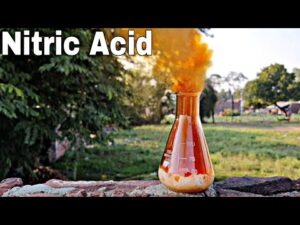
The brown fumes observed are nitrogen dioxide (NO₂). This decomposition explains why nitric acid is stored in dark containers to prevent breakdown.

Industrial Production

Nitric acid is industrially produced through the Ostwald process, which involves the catalytic oxidation of ammonia to nitric oxide, followed by further oxidation and absorption in water.

This process ensures large-scale, efficient production for global industrial demand.

Safety and Handling

Due to its corrosive and oxidizing nature, nitric acid must be handled with strict safety measures:

  • Use corrosion-resistant storage tanks
  • Ensure proper ventilation
  • Wear protective gloves, goggles, and chemical-resistant clothing
  • Store away from organic materials and reducing agents

Proper storage and transportation are essential for maintaining quality and safety.

Why Choose SNDB as Your Nitric Acid Partner?

As a trusted manufacturer, supplier, and exporter, SNDB provides:

  • High-purity nitric acid in various concentrations
  • Compliance with international quality standards
  • Secure packaging and global export capability
  • Timely delivery and competitive pricing
  • Dedicated customer support

With advanced production facilities and quality control systems, SNDB ensures consistent product performance for industrial and laboratory applications worldwide.

Strong and extremely reactive, nitric acid (HNO₃) has potent oxidizing qualities that make it essential in many different sectors. Its chemical behavior determines its adaptability in a variety of processes, including organic synthesis, fertilizer production, and metal processing. Every shipment is guaranteed to be efficient, safe, and of high quality when working with a reputable supplier like SNDB.

For bulk inquiries, customized packaging, or export orders, SNDB stands ready as your best manufacturer, supplier, and exporter of premium nitric acid.

Applications of Acetic Acid in Pharmaceuticals | SNDB: Best Manufacturer and SupplierCategoriesUncategorized

Applications of Acetic Acid in Pharmaceuticals | SNDB: Best Manufacturer and Supplier

Acetic acid is an important organic compound widely used in the pharmaceutical industry. It is a colorless liquid with a strong smell and is commonly known as the main component of vinegar. In pharmaceuticals, acetic acid plays a significant role in the production of medicines, chemical reagents, and medicinal formulations. Due to its antibacterial and antifungal properties, it is widely used in various medical and pharmaceutical applications.

Applications of Acetic Acid in Pharmaceuticals

1. Production of Pharmaceutical Chemicals

Acetic acid is used as a raw material in the manufacturing of many pharmaceutical chemicals. It is used to produce important compounds such as aspirin, paracetamol, and various antibiotics. It acts as a solvent and reagent in chemical reactions used in drug manufacturing.

2. Use as a Solvent

Acetic acid is used as a solvent in the purification and formulation of pharmaceutical products. It helps dissolve many organic compounds and is commonly used during drug synthesis and formulation processes.

3. Antibacterial and Antifungal Agent

Diluted acetic acid is used as an antibacterial and antifungal agent. It is sometimes used in ear drops to treat bacterial and fungal infections. It helps stop the growth of harmful microorganisms.

4. pH Regulator

Acetic acid is used to maintain the pH level of medicines and pharmaceutical solutions. Maintaining proper pH is very important for the stability and effectiveness of medicines.

5. Production of Acetate Compounds

Acetic acid is used to produce acetate salts such as sodium acetate and calcium acetate, which are used in medicines, injections, and dialysis treatments.

6. Use in Sterilization

Acetic acid is used in cleaning and sterilizing pharmaceutical equipment and surfaces in diluted form, helping maintain hygiene in pharmaceutical manufacturing.

SNDB: Best Manufacturer and Supplier

SNDB is a trusted manufacturer and supplier of high-quality acetic acid for pharmaceutical, chemical, and industrial use. The company provides high-purity acetic acid that meets pharmaceutical standards and ensures safe packaging, bulk supply, and timely delivery. SNDB focuses on quality control, customer satisfaction, and international standards, making it a reliable supplier in the chemical industry.

Acetic acid plays a vital role in the pharmaceutical industry. From drug manufacturing to sterilization and pH control, its applications are very important. Choosing a reliable manufacturer and supplier like SNDB ensures high quality, purity, and safe supply for pharmaceutical use. Therefore, acetic acid is an essential chemical in modern pharmaceutical industries.

Global Reach, Superior Quality: SNDB’s Leadership in Nitric Acid ExportingCategoriesNitric Acid

Nitric Acid: Structure, Reactions, and Applications | SNDB – Best Exporter and Supplier

One of the most significant inorganic compounds utilized in many different sectors is nitric acid. Nitric acid, which is well-known for its potent oxidizing and acidic qualities, is essential to the production of chemicals, metallurgy, agriculture, and pharmaceuticals. Reputable in the chemical business, SNDB is a top leading supplier and exporter of premium nitric acid, providing dependable solutions to international markets.

Structure of Nitric Acid

HNO₃ is the chemical formula for nitric acid. It is composed of three oxygen atoms, one nitrogen atom, and one hydrogen atom. A planar molecular structure is created when the nitrogen and oxygen atoms establish a central link. While the other oxygen atoms are joined by single bonds, one of which contains the acidic hydrogen, one oxygen atom is double-bonded to nitrogen.

Nitric acid has the chemical formula HNO₃. It consists of one nitrogen atom, one hydrogen atom, and three oxygen atoms. When the atoms of nitrogen and oxygen are centrally connected, a planar molecular structure is produced. One oxygen atom is double-bonded to nitrogen, while the other oxygen atoms are connected by single bonds, one of which includes the acidic hydrogen.The intense acidity and high reactivity of nitric acid are a result of this molecular configuration. Nitric acid is categorized as a strong acid since it fully separates into hydrogen ions (H⁺) and nitrate ions (NO₃⁻) in aqueous solutions.

Chemical Reactions of Nitric Acid

Nitric acid is highly reactive and participates in a variety of chemical reactions:

1. Reaction with Metals

Because nitric acid is oxidizing, it combines with most metals to generate metal nitrates, which release nitrogen oxides rather than hydrogen gas. For instance:

  • Copper reacts with nitric acid to produce copper nitrate, nitrogen dioxide, and water.

2. Nitration Reactions

Because nitric acid is oxidizing, it combines with most metals to generate metal nitrates, which release nitrogen oxides rather than hydrogen gas. For instance:

3. Reaction with Bases

In the process of making fertilizer, nitric acid neutralizes bases to produce nitrate salts and water.

4. Oxidizing Reactions

Nitric acid is essential in laboratories and industrial processes because it is a potent oxidizing agent that oxidizes organic molecules and non-metals.

Applications of Nitric Acid

Nitric acid has extensive industrial and commercial applications, including:

Fertilizer Industry

Ammonium nitrate and calcium ammonium nitrate fertilizers, which boost agricultural output worldwide, are made mostly from nitric acid.

Explosives Manufacturing

It is crucial for the regulated nitration operations used to produce explosives like TNT, nitroglycerin, and RDX.

Metal Processing

Nitric acid is frequently used for etching, passivation to improve corrosion resistance, pickling metal, and cleaning stainless steel.

Chemical Manufacturing

Dyes, polymers, plastics, and a variety of organic and inorganic compounds use it as a precursor.

Pharmaceutical Industry

Because of its great purity and reliable performance, nitric acid is employed in both medication manufacturing and laboratory analysis.

Electronics and Semiconductor Industry

High-purity nitric acid is used for cleaning and etching silicon wafers and electronic components.

Why Choose SNDB as Your Nitric Acid Supplier?

SNDB is regarded as one of the top suppliers and exporters of nitric acid, providing goods that satisfy global safety and quality requirements. Among our advantages are:

  • High-purity nitric acid suitable for industrial and laboratory use
  • Strict quality control and compliance with global regulations
  • Safe packaging and secure logistics for international exports
  • Reliable supply chain ensuring timely delivery
  • Customer-focused solutions tailored to specific industry needs

SNDB guarantees constant quality, safety, and performance for all nitric acid applications thanks to its years of experience and dedication to excellence.

Because of its many uses, reactive nature, and adaptable structure, nitric acid is still a fundamental chemical in contemporary industry. Its significance in everything from industry and agriculture to electronics and pharmaceuticals cannot be emphasized. Quality and safety depend on working with a reliable source, and SNDB stands out as a reliable exporter and supplier of nitric acid, providing excellence all over the world.

Hydrochloric Acid and Its Role in Chemical Reactions | SNDB – Best Exporter and SupplierCategoriesUncategorized

Hydrochloric Acid and Its Role in Chemical Reactions | SNDB – Best Exporter and Supplier

One of the most significant and extensively utilized inorganic acids in the chemical industry is hydrochloric acid (HCl). Hydrochloric acid, which is well-known for its potent acidity and high reactivity, is an essential component of many chemical reactions in labs, factories, and industrial operations. SNDB, a reputable brand in the chemical business, is a top exporter and provider of premium hydrochloric acid that satisfies international industry requirements.

Understanding Hydrochloric Acid

A colorless, strong-smelling solution of hydrogen chloride gas dissolved in water is called hydrochloric acid. Because it totally dissociates in aqueous solutions to produce hydrogen ions (H⁺), which power numerous chemical reactions, it is categorized as a strong acid.

Role of Hydrochloric Acid in Chemical Reactions

Hydrochloric acid is essential in a wide range of chemical reactions, including:

1. Acid–Base Reactions

Bases and hydrochloric acid react easily to produce water and salts. For instance, it reacts with sodium hydroxide to form sodium chloride and water, a basic neutralization reaction that is extensively researched in chemistry.

2. Metal Reactions

Numerous metals, including zinc, iron, and magnesium, react with HCl to produce metal chlorides and hydrogen gas. Pickling, cleaning, and metal processing all depend on these reactions.

3. pH Regulation

In chemical processes, water treatment facilities, and industrial systems where exact acidity is needed, hydrochloric acid is frequently employed to regulate and modify pH values.

4. Catalyst in Chemical Manufacturing

In many industrial synthesis processes, hydrochloric acid acts as a catalyst or reactant, improving reaction efficiency and product yield.

Industrial Applications

Due to its reactive nature, hydrochloric acid is widely used in:

  • Chemical manufacturing
  • Steel pickling and surface treatment
  • Food processing and sugar refining
  • Pharmaceutical production
  • Leather processing and textiles
  • Water treatment facilities

Quality and Safety Considerations

Because hydrochloric acid is highly corrosive, quality, purity, and safe handling are essential. Reliable suppliers ensure proper concentration, contamination-free products, and secure packaging to maintain safety during transport and storage.

Why Choose SNDB as Your Hydrochloric Acid Supplier

SNDB is regarded as one of the top suppliers and exporters of hydrochloric acid, providing both domestic and foreign markets with a steady supply of high-quality products. SNDB guarantees client satisfaction across industries with stringent quality control procedures, legal packaging, and prompt logistics.

Chemical processes that underpin a wide range of commercial and scientific applications depend heavily on hydrochloric acid. Its significance cannot be emphasized, from simple neutralizing reactions to intricate production procedures. Access to premium hydrochloric acid that satisfies global performance, safety, and regulatory criteria is ensured by working with a reliable supplier like SNDB.