Nitric Acid for Industrial Applications: Uses, Benefits and Importance | SNDBCategoriesNitric Acid

Nitric Acid for Industrial Applications: Uses, Benefits and Importance | SNDB

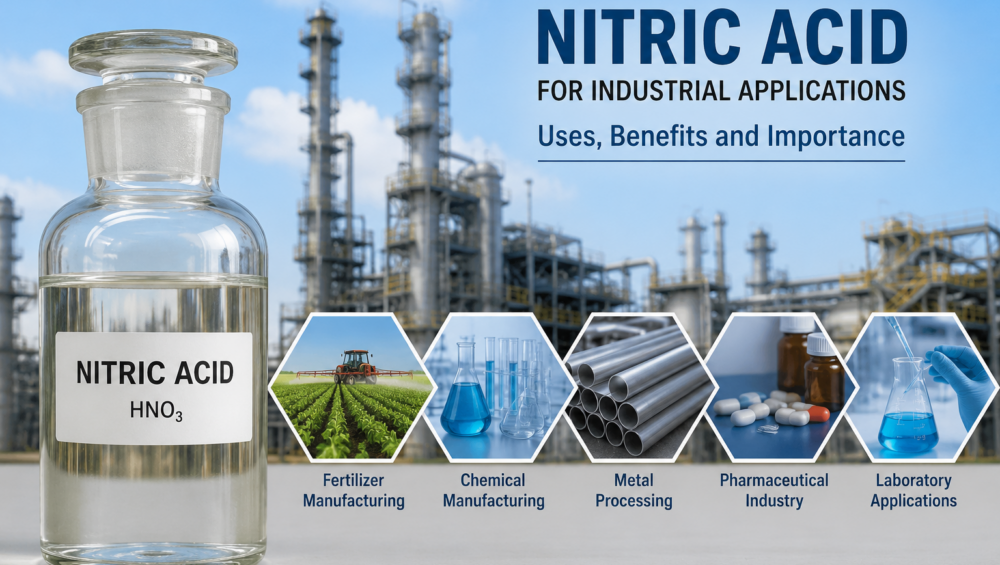
Nitric acid is an important industrial chemical widely used in fertilizer production, chemical manufacturing, metal processing, pharmaceuticals, and several other industries. Due to its strong chemical properties and versatility, nitric acid plays an essential role in many industrial processes.

SNDB is a trusted manufacturer and supplier of industrial chemicals, offering quality nitric acid solutions for various industrial requirements. With a focus on consistent quality and reliable supply, SNDB supports businesses across different sectors.

What Is Nitric Acid?

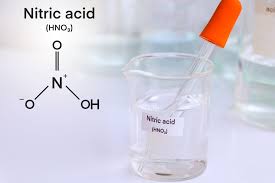
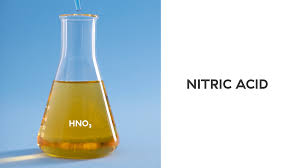
Nitric acid is a strong mineral acid with the chemical formula HNO₃. It is a clear to slightly yellow liquid and is highly reactive. Nitric acid is known for its strong oxidizing properties and is commonly used as a raw material and processing agent in the chemical industry.

Its chemical characteristics make it suitable for applications where nitration, oxidation, and chemical processing are required.

Industrial Uses of Nitric Acid

Nitric acid has a wide range of industrial applications. Some of its major uses include:

1. Fertilizer Manufacturing

One of the largest applications of nitric acid is fertilizer production. It is used to manufacture nitrate-based fertilizers, including ammonium nitrate and other nitrogen-containing compounds. These fertilizers provide essential nitrogen to crops and are widely used in agriculture.

2. Chemical Manufacturing

Nitric acid is an important raw material in the production of various chemicals. It is used in nitration and oxidation processes and helps manufacture several nitrate compounds and chemical intermediates.

3. Metal Processing

Nitric acid is used in metal treatment and processing applications. It can help remove impurities and oxides from metal surfaces and is used in processes such as pickling and surface treatment for certain metals and alloys.

4. Pharmaceutical Industry

The pharmaceutical sector uses nitric acid as a chemical reagent in selected manufacturing and laboratory processes. Its controlled chemical properties make it useful for producing and processing certain chemical intermediates.

5. Explosives and Nitration Processes

Nitric acid is used as a nitrating agent in controlled industrial chemical processes. Nitration is an important chemical reaction used to produce various industrial intermediates and specialized chemicals.

6. Laboratory and Research Applications

Nitric acid is also widely used in laboratories for analytical procedures, sample preparation, digestion, and chemical testing. Its strong acidic and oxidizing characteristics make it useful in controlled laboratory environments.

Benefits of Nitric Acid in Industrial Applications

Nitric acid offers several advantages for industrial chemical processing:

  • High chemical reactivity: Its strong acidic and oxidizing properties support a variety of chemical processes.
  • Versatile applications: It can be used across fertilizer, chemical, metal, pharmaceutical, and laboratory industries.
  • Effective processing agent: It is useful for oxidation, nitration, cleaning, and surface-treatment processes.
  • Important chemical intermediate: Nitric acid helps manufacture numerous nitrate-based compounds and industrial chemicals.
  • Wide industrial demand: Its applications across multiple sectors make it an important industrial raw material.

Why Quality Nitric Acid Matters

Industrial processes require chemicals with consistent quality and specifications. The purity and appropriate grade of nitric acid can influence process efficiency, product quality, and overall manufacturing performance.

For this reason, industries should source nitric acid from a reliable manufacturer and supplier that follows appropriate quality-control practices and provides material suitable for the intended application.

SNDB: Nitric Acid Manufacturer and Supplier

SNDB focuses on supplying industrial chemicals to businesses that require dependable chemical raw materials for their manufacturing and processing operations. As a nitric acid manufacturer and supplier, SNDB aims to provide consistent-quality products and reliable service to industrial customers.

The company serves different industrial requirements and emphasizes quality, supply reliability, and customer support.

Safe Handling of Nitric Acid

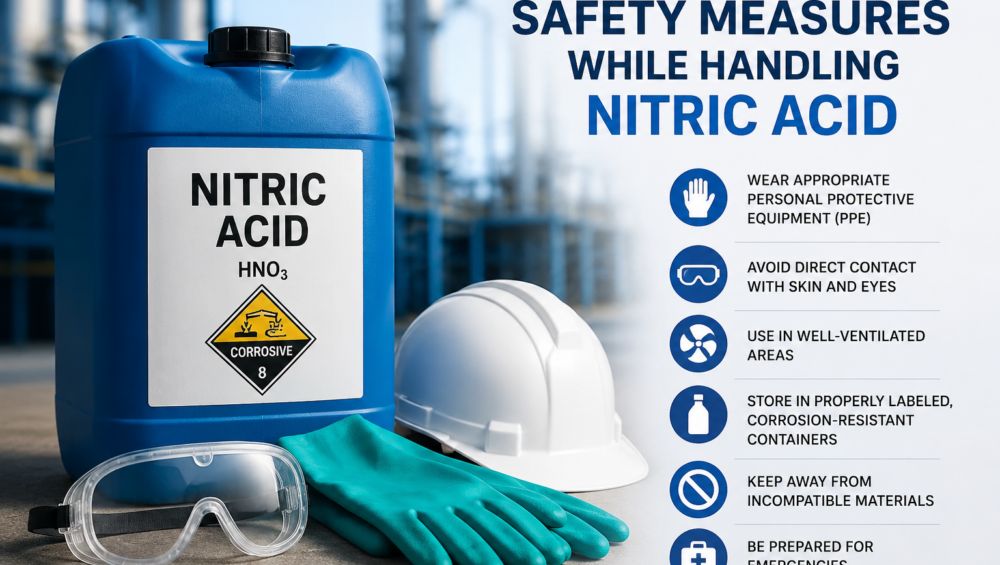
Nitric acid is a highly corrosive and reactive chemical and should always be handled by trained personnel using appropriate industrial safety procedures. Proper storage, compatible containers, protective equipment, ventilation, and emergency measures are important when working with nitric acid.

Businesses should always follow the relevant safety data sheet, regulatory requirements, and site-specific handling procedures.

Nitric acid is a valuable industrial chemical with applications across fertilizer manufacturing, chemical processing, metal treatment, pharmaceuticals, laboratories, and other industries. Its strong acidic and oxidizing properties make it suitable for a wide range of controlled industrial processes.

For businesses looking for a dependable nitric acid manufacturer and supplier in India, SNDB provides industrial chemical solutions with an emphasis on quality and reliable supply. Choosing a trusted supplier can help industries maintain consistency and efficiency in their chemical operations.
How Nitric Acid is Produced: A Complete Guide to the Ostwald ProcessCategoriesNitric Acid

How Nitric Acid is Produced: A Complete Guide to the Ostwald Process

Nitric acid (HNO₃) is one of the most important industrial chemicals used worldwide. It plays a vital role in the production of fertilizers, explosives, dyes, pharmaceuticals, and numerous chemical compounds. The majority of commercial nitric acid is produced through the Ostwald Process, a highly efficient and widely adopted industrial method.

As a leading manufacturer, supplier, and exporter of industrial chemicals, SNDB is committed to delivering high-quality nitric acid products that meet international standards and diverse industrial requirements.

What is Nitric Acid?

Nitric acid is a strong mineral acid known for its highly corrosive and oxidizing properties. It is a colorless liquid that may develop a yellow tint due to the decomposition into nitrogen oxides over time. Industries rely heavily on nitric acid for manufacturing fertilizers, metal processing, and chemical synthesis.

Understanding the Ostwald Process

The Ostwald Process, developed by German chemist Wilhelm Ostwald in the early 20th century, is the primary industrial method used for producing nitric acid from ammonia.

The process consists of three major stages:

Step 1: Catalytic Oxidation of Ammonia

The process begins with the oxidation of ammonia (NH₃) using atmospheric oxygen in the presence of a platinum-rhodium catalyst at temperatures ranging from 800°C to 900°C.

Chemical Reaction:

4NH₃ + 5O₂ → 4NO + 6H₂O

This reaction produces nitric oxide (NO) and water vapor.

Step 2: Oxidation of Nitric Oxide

The nitric oxide formed in the first stage is further oxidized by atmospheric oxygen to produce nitrogen dioxide (NO₂).

Chemical Reaction:

2NO + O₂ → 2NO₂

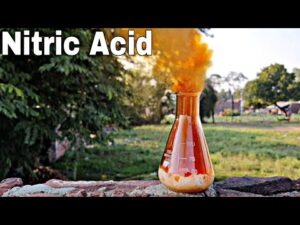
Nitrogen dioxide is a reddish-brown gas and serves as an intermediate compound in nitric acid production.

Step 3: Absorption in Water

The nitrogen dioxide gas is then absorbed in water inside absorption towers, producing nitric acid.

Chemical Reaction:

3NO₂ + H₂O → 2HNO₃ + NO

The nitric oxide generated during this stage is recycled back into the process, making the Ostwald Process highly efficient and environmentally sustainable.

Advantages of the Ostwald Process

The Ostwald Process offers several advantages, including:

  • High production efficiency.
  • Large-scale commercial applicability.
  • Continuous operation capability.
  • Lower production costs.
  • Recycling of intermediate gases.
  • Consistent production of high-purity nitric acid.

These benefits make it the preferred industrial method for nitric acid manufacturing across the globe.

Industrial Applications of Nitric Acid

Nitric acid produced through the Ostwald Process is extensively used in various industries, including:

Fertilizer Manufacturing

Nitric acid is a key ingredient in producing ammonium nitrate fertilizers, which significantly improve agricultural productivity.

Explosives Industry

It is widely used in the manufacture of explosives for mining, construction, and defense applications.

Metal Processing

Industries use nitric acid for metal pickling, cleaning, etching, and refining processes.

Chemical Manufacturing

Nitric acid serves as a crucial raw material in producing dyes, pharmaceuticals, plastics, and specialty chemicals.

Safety Considerations in Nitric Acid Production

Since nitric acid is highly corrosive, strict safety measures are essential during manufacturing, storage, and transportation.

Important safety practices include:

  • Using corrosion-resistant equipment.
  • Wearing appropriate personal protective equipment (PPE).
  • Ensuring adequate ventilation.
  • Implementing proper storage protocols.
  • Following environmental and industrial safety regulations.

Why Choose SNDB for Nitric Acid?

SNDB has established itself as a trusted name in the chemical industry by delivering superior-quality nitric acid to customers worldwide. As a leading manufacturer, supplier, and exporter, SNDB focuses on quality, consistency, and customer satisfaction.

Why Industries Prefer SNDB:

  • Premium quality nitric acid products.
  • Advanced manufacturing facilities.
  • Strict quality control procedures.
  • Timely delivery across domestic and international markets.
  • Competitive pricing.
  • Customized packaging solutions.
  • Dedicated customer support.

With years of industry expertise and a commitment to excellence, SNDB continues to serve industries with reliable and high-performance chemical solutions.

The Ostwald Process remains the backbone of modern nitric acid production due to its efficiency, scalability, and sustainability. As demand for nitric acid continues to grow across industries, partnering with a reliable supplier becomes increasingly important.

SNDB stands as a trusted manufacturer, supplier, and exporter of high-quality nitric acid, offering dependable products that meet the evolving needs of industries worldwide.

Safety Measures While Handling Nitric AcidCategoriesNitric Acid Uncategorized

Safety Measures While Handling Nitric Acid | SNDB: Best Manufacturer and supplier and exporter

Nitric Acid (HNO₃) is one of the most widely used industrial chemicals, playing a crucial role in fertilizer production, chemical manufacturing, metal processing, pharmaceuticals, and water treatment applications. While it offers numerous industrial benefits, nitric acid is a highly corrosive and powerful oxidizing agent that requires careful handling. Exposure to nitric acid can cause severe burns, eye damage, respiratory irritation, and harmful fumes if proper safety procedures are not followed.As a trusted manufacturer, supplier, and exporter of industrial chemicals, SNDB emphasizes the importance of workplace safety when handling nitric acid.

Understanding the Hazards of Nitric Acid

Before using nitric acid, it is important to understand its potential hazards:

  • Highly corrosive to skin, eyes, and metals.
  • Produces toxic nitrogen oxide fumes that may affect the respiratory system.
  • Strong oxidizing properties can intensify fire risks when in contact with incompatible materials.
  • Can react violently with organic substances, reducing agents, and certain metals.

Essential Personal Protective Equipment (PPE)

Employees handling nitric acid should always wear:

1. Chemical-Resistant Gloves

Use acid-resistant gloves specifically rated for corrosive chemicals to prevent skin exposure.

2. Safety Goggles and Face Shield

Protect eyes and face from accidental splashes that may cause severe injuries.

3. Protective Clothing

Wear chemical-resistant aprons, full-sleeve protective suits, and safety footwear.

4. Respiratory Protection

When ventilation is inadequate, use approved respiratory protection to avoid inhalation of harmful fumes.

Safe Storage Practices

Proper storage significantly reduces the risk of accidents.

  • Store nitric acid in a cool, dry, and well-ventilated area.
  • Keep containers tightly sealed and clearly labeled.
  • Store away from combustible materials, organic substances, and incompatible chemicals.
  • Avoid direct sunlight and excessive heat sources.
  • Use corrosion-resistant storage containers approved for nitric acid.

Safe Handling Guidelines

Ensure Proper Ventilation

Nitric acid releases hazardous fumes that can affect workers’ health. Always handle the chemical in well-ventilated areas or under suitable exhaust systems.

Avoid Direct Contact

Never allow nitric acid to come into contact with bare skin, eyes, or clothing. Use dedicated equipment designed for chemical transfer and handling.

Follow Correct Dilution Procedures

When dilution is required, always add acid slowly to water. Never add water directly to concentrated acid, as it may generate excessive heat and splashing.

Use Trained Personnel

Only properly trained professionals should handle nitric acid in industrial environments.

Emergency Response Measures

Skin Contact

  • Immediately remove contaminated clothing.
  • Flush the affected area with large amounts of clean water for at least 15 minutes.
  • Seek medical attention promptly.

Eye Exposure

  • Rinse eyes continuously with water for at least 15 minutes.
  • Obtain emergency medical assistance immediately.

Inhalation Exposure

  • Move the affected person to fresh air.
  • Seek medical evaluation if breathing difficulties occur.

Spill Management

  • Evacuate unnecessary personnel from the area.
  • Wear appropriate PPE before cleanup.
  • Use compatible non-combustible absorbent materials for containment.
  • Dispose of waste according to local environmental regulations.

Importance of Workplace Safety Training

Regular safety training helps employees:

  • Understand chemical hazards.
  • Follow emergency response procedures.
  • Use PPE correctly.
  • Reduce workplace accidents and operational downtime.

Companies handling nitric acid should maintain updated Safety Data Sheets (SDS) and conduct routine safety audits.

Why Choose SNDB for Nitric Acid Supply?

SNDB is recognized as a leading manufacturer, supplier, and exporter of high-quality nitric acid and industrial chemicals. With a strong commitment to quality, safety, and customer satisfaction, SNDB delivers reliable chemical solutions for diverse industrial applications. Our products are manufactured following stringent quality standards to ensure performance, consistency, and safe industrial usage.

Nitric acid is an essential industrial chemical, but its safe handling is critical for protecting workers, equipment, and the environment. By using proper PPE, following safe storage practices, ensuring adequate ventilation, and implementing emergency response procedures, industries can significantly minimize risks associated with nitric acid handling. Partnering with a trusted supplier like SNDB ensures access to premium-quality nitric acid backed by industry expertise and a commitment to safety.

Nitric Acid Safety Precautions Every Student Should KnowCategoriesNitric Acid

Nitric Acid Safety Precautions Every Student Should Know

Nitric Acid is one of the most widely used industrial and laboratory chemicals. It plays an essential role in fertilizer production, metal processing, pharmaceuticals, dyes, and scientific research. Because of its highly corrosive and reactive nature, students and laboratory beginners must understand the correct safety practices before handling it.

As a trusted supplier and manufacturer, SNDB emphasizes safe chemical handling and responsible laboratory practices for educational institutions and industrial users alike.

What Is Nitric Acid?

Nitric Acid is a strong mineral acid with the chemical formula HNO₃. It is colorless when pure but may appear yellow due to decomposition into nitrogen oxides. The acid is highly corrosive and can react violently with certain substances.

Why Safety Is Important

Improper handling of Nitric Acid can cause:

  • Severe skin burns
  • Eye damage
  • Respiratory irritation
  • Toxic fumes
  • Chemical reactions or explosions when mixed incorrectly

Students working in chemistry laboratories should always follow standard laboratory safety procedures.

Essential Nitric Acid Safety Precautions

1. Wear Proper Protective Equipment

Always use:

  • Chemical-resistant gloves
  • Safety goggles or face shields
  • Laboratory coats
  • Closed-toe shoes

Protective equipment reduces the risk of burns and accidental exposure.

2. Work in a Well-Ventilated Area

Nitric Acid releases harmful fumes that may irritate the lungs and respiratory system. Laboratories should use proper ventilation systems or fume hoods during experiments.

3. Never Touch Nitric Acid Directly

Even small amounts can damage the skin. If accidental contact occurs:

  • Rinse immediately with plenty of water
  • Remove contaminated clothing
  • Seek medical attention if irritation continues

4. Always Add Acid to Water

When diluting:

  • Add acid slowly to water
  • Never pour water into acid

This prevents dangerous splashing and heat generation.

Dilution Safety Formula

The heat released during dilution can increase rapidly with concentration changes:

HNO3+H2O→Diluted Solution+HeatHNO_3 + H_2O \rightarrow \text{Diluted Solution} + \text{Heat}HNO3​+H2​O→Diluted Solution+Heat

Careful dilution procedures help avoid burns and chemical accidents.

5. Store Properly

Store Nitric Acid:

  • In tightly sealed containers
  • Away from sunlight and heat
  • Separate from organic materials and metals

Proper storage minimizes chemical reactions and leakage risks.

6. Avoid Mixing with Incompatible Chemicals

Nitric Acid reacts strongly with:

  • Alcohols
  • Organic compounds
  • Reducing agents
  • Certain metals

Incorrect mixing may produce toxic gases or explosions.

7. Learn Emergency Procedures

Students should know:

  • Location of eyewash stations
  • Emergency shower procedures
  • Spill response methods
  • Laboratory evacuation plans

Preparedness can reduce injuries during accidents.

Common Laboratory Uses of Nitric Acid

Nitric Acid is commonly used for:

  • Chemical analysis
  • Metal etching
  • Fertilizer manufacturing
  • Academic chemistry experiments
  • Industrial cleaning

Because of these wide applications, safety training is essential for every science student.

Choosing a Reliable Nitric Acid Supplier

High-quality chemicals are critical for safe laboratory and industrial operations. SNDB is recognized for providing reliable chemical solutions, consistent product quality, and professional manufacturing standards for educational and industrial applications.

Understanding proper handling methods for Nitric Acid is essential for laboratory safety. By wearing protective equipment, following correct dilution procedures, and storing chemicals responsibly, students can minimize risks and conduct experiments safely.

Educational institutions and laboratories should always source chemicals from experienced manufacturers and suppliers such as SNDB to ensure product quality and safety compliance.

sndb | Why Nitric Acid Is One of Chemistry’s Most Important AcidsCategoriesNitric Acid

SNDB | Why Nitric Acid Is One of Chemistry’s Most Important Acids

One of the most important and often utilized inorganic acids in contemporary chemistry is nitric acid (HNO3). Its significance extends to environmental science, metallurgy, electronics, explosives, pharmaceuticals, and agriculture. Nitric acid is essential to many industrial and laboratory procedures because of its strong oxidizing qualities and high reactivity.

Fundamental Properties of Nitric Acid

Nitric acid is a sharp-smelling, colorless to light yellow liquid that is extremely corrosive. It is a potent mineral acid that is very useful in chemical processes since it totally dissociates in water. Its strong oxidizing ability, which enables it to effectively react with metals, organic molecules, and non-metals, is one of its most prominent features.

Key Industrial Applications

1. Fertilizer Production

The production of ammonium nitrate and other fertilizers based on nitrogen is the major usage of nitric acid worldwide. These fertilizers are essential for boosting agricultural output and sustaining the world’s food supply.

2. Explosives and Defense

An essential component of explosives like TNT, RDX, and nitroglycerin is nitric acid. It is essential in the mining, building, and defense sectors due to its nitration capacity.

3. Chemical and Pharmaceutical Manufacturing

Nitric acid is utilized in the chemical industry to create medicinal chemicals, polymers, dyes, and intermediates. For the production of active medicinal compounds, its function in nitration processes is essential.

4. Metal Processing and Electronics

Metal pickling, etching, and surface treatment are common uses for nitric acid. Because of its efficiency in eliminating contaminants, it is utilized in electronics to clean silicon wafers and precision components.

Environmental and Laboratory Importance

Additionally, research labs, water analysis, and environmental testing all require nitric acid. It plays a key role in analytical chemistry, particularly in sample digestion for trace metal analysis.

Importance of Quality Manufacturing

Because nitric acid is highly reactive and hazardous, consistent quality, purity, and safe handling are crucial. For companies that depend on reliable chemical supplies, choosing a manufacturer is therefore essential.

SNDB – A Trusted Nitric Acid Manufacturer

As one of the top producers of nitric acid, SNDB produces high-purity goods that adhere to strict laboratory and industry requirements. With cutting-edge manufacturing equipment, stringent quality control procedures, and a strong emphasis on sustainability and safety, SNDB provides nitric acid appropriate for industrial, chemical processing, medicinal, and agricultural uses.

SNDB’s commitment to innovation, regulatory compliance, and customer satisfaction has positioned it as a reliable partner for businesses requiring consistent and high-performance nitric acid solutions.

Because of its unparalleled adaptability and numerous uses, nitric acid continues to be one of the most significant acids in chemistry. Its role is crucial, enabling everything from advanced manufacturing and scientific research to feeding the planet through fertilizers. Nitric acid continues to fuel vital industries around the world, with reliable suppliers like SNDB guaranteeing quality and safety.

Global Reach, Superior Quality: SNDB’s Leadership in Nitric Acid ExportingCategoriesNitric Acid

Nitric Acid: Structure, Reactions, and Applications | SNDB – Best Exporter and Supplier

One of the most significant inorganic compounds utilized in many different sectors is nitric acid. Nitric acid, which is well-known for its potent oxidizing and acidic qualities, is essential to the production of chemicals, metallurgy, agriculture, and pharmaceuticals. Reputable in the chemical business, SNDB is a top leading supplier and exporter of premium nitric acid, providing dependable solutions to international markets.

Structure of Nitric Acid

HNO₃ is the chemical formula for nitric acid. It is composed of three oxygen atoms, one nitrogen atom, and one hydrogen atom. A planar molecular structure is created when the nitrogen and oxygen atoms establish a central link. While the other oxygen atoms are joined by single bonds, one of which contains the acidic hydrogen, one oxygen atom is double-bonded to nitrogen.

Nitric acid has the chemical formula HNO₃. It consists of one nitrogen atom, one hydrogen atom, and three oxygen atoms. When the atoms of nitrogen and oxygen are centrally connected, a planar molecular structure is produced. One oxygen atom is double-bonded to nitrogen, while the other oxygen atoms are connected by single bonds, one of which includes the acidic hydrogen.The intense acidity and high reactivity of nitric acid are a result of this molecular configuration. Nitric acid is categorized as a strong acid since it fully separates into hydrogen ions (H⁺) and nitrate ions (NO₃⁻) in aqueous solutions.

Chemical Reactions of Nitric Acid

Nitric acid is highly reactive and participates in a variety of chemical reactions:

1. Reaction with Metals

Because nitric acid is oxidizing, it combines with most metals to generate metal nitrates, which release nitrogen oxides rather than hydrogen gas. For instance:

  • Copper reacts with nitric acid to produce copper nitrate, nitrogen dioxide, and water.

2. Nitration Reactions

Because nitric acid is oxidizing, it combines with most metals to generate metal nitrates, which release nitrogen oxides rather than hydrogen gas. For instance:

3. Reaction with Bases

In the process of making fertilizer, nitric acid neutralizes bases to produce nitrate salts and water.

4. Oxidizing Reactions

Nitric acid is essential in laboratories and industrial processes because it is a potent oxidizing agent that oxidizes organic molecules and non-metals.

Applications of Nitric Acid

Nitric acid has extensive industrial and commercial applications, including:

Fertilizer Industry

Ammonium nitrate and calcium ammonium nitrate fertilizers, which boost agricultural output worldwide, are made mostly from nitric acid.

Explosives Manufacturing

It is crucial for the regulated nitration operations used to produce explosives like TNT, nitroglycerin, and RDX.

Metal Processing

Nitric acid is frequently used for etching, passivation to improve corrosion resistance, pickling metal, and cleaning stainless steel.

Chemical Manufacturing

Dyes, polymers, plastics, and a variety of organic and inorganic compounds use it as a precursor.

Pharmaceutical Industry

Because of its great purity and reliable performance, nitric acid is employed in both medication manufacturing and laboratory analysis.

Electronics and Semiconductor Industry

High-purity nitric acid is used for cleaning and etching silicon wafers and electronic components.

Why Choose SNDB as Your Nitric Acid Supplier?

SNDB is regarded as one of the top suppliers and exporters of nitric acid, providing goods that satisfy global safety and quality requirements. Among our advantages are:

  • High-purity nitric acid suitable for industrial and laboratory use
  • Strict quality control and compliance with global regulations
  • Safe packaging and secure logistics for international exports
  • Reliable supply chain ensuring timely delivery
  • Customer-focused solutions tailored to specific industry needs

SNDB guarantees constant quality, safety, and performance for all nitric acid applications thanks to its years of experience and dedication to excellence.

Because of its many uses, reactive nature, and adaptable structure, nitric acid is still a fundamental chemical in contemporary industry. Its significance in everything from industry and agriculture to electronics and pharmaceuticals cannot be emphasized. Quality and safety depend on working with a reliable source, and SNDB stands out as a reliable exporter and supplier of nitric acid, providing excellence all over the world.