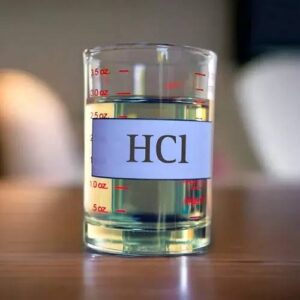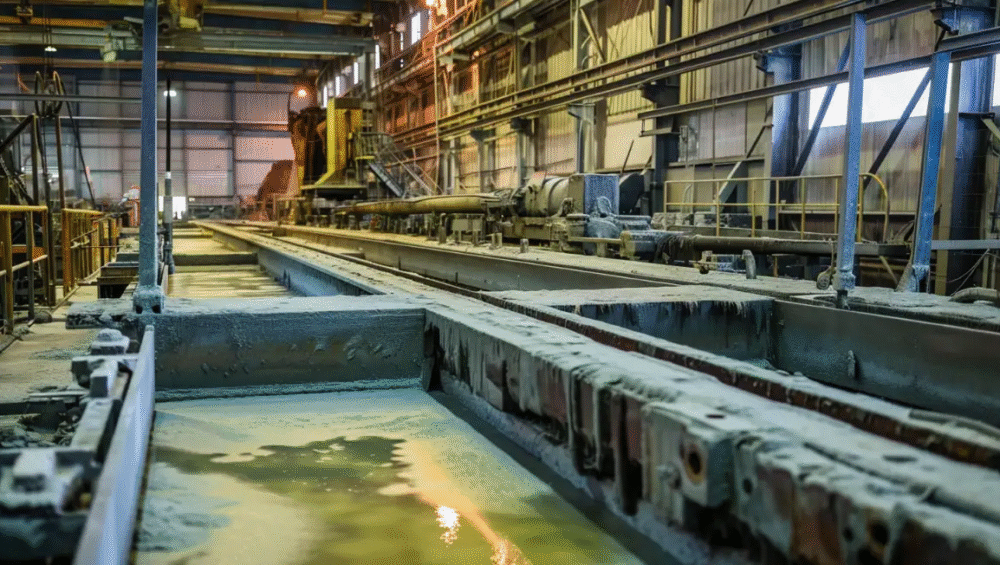
The global industrial acids market plays a vital role in supporting numerous industries, including chemicals, fertilizers, pharmaceuticals, textiles, water treatment, food processing, and metal manufacturing. Industrial acids such as sulfuric acid, hydrochloric acid, nitric acid, phosphoric acid, and acetic acid are essential raw materials used in a wide range of manufacturing processes.
As industries continue to evolve, the industrial acids market is witnessing significant transformation driven by technological advancements, sustainability initiatives, and increasing industrialization across emerging economies. Understanding future market trends is essential for manufacturers, suppliers, and industrial buyers looking to remain competitive in a rapidly changing business environment.
Overview of the Global Industrial Acids Market
Industrial acids are among the most widely consumed chemicals worldwide. The market continues to grow due to rising demand from sectors such as agriculture, chemical processing, mining, electronics, and water treatment. Increasing industrial production and infrastructure development, particularly in developing economies, are further boosting market expansion. The global market for various industrial acids is expected to witness steady growth over the next decade due to expanding industrial applications and increasing investments in manufacturing industries.
Key Future Trends Shaping the Industrial Acids Market
1. Growing Demand for Sustainable and Green Chemicals
Sustainability has become one of the most significant drivers in the chemical industry. Manufacturers are increasingly adopting environmentally friendly production processes to reduce carbon emissions and minimize environmental impact.
The shift toward green chemistry is encouraging the development of cleaner production technologies, energy-efficient manufacturing systems, and waste reduction strategies. Bio-based acid production is also gaining attention as industries seek sustainable alternatives to conventional chemical processes.
2. Rising Adoption of Bio-Based Acids
Bio-based acids are emerging as a promising segment within the industrial acids market. Produced through renewable resources and fermentation technologies, these acids offer reduced environmental impact while meeting growing regulatory requirements.
Industries such as food processing, pharmaceuticals, biodegradable plastics, and personal care are increasingly adopting bio-based acids due to their sustainability benefits. Continuous advancements in fermentation technology are expected to accelerate market growth in this segment.
3. Expansion of the Fertilizer Industry
Agriculture remains one of the largest consumers of industrial acids, particularly sulfuric acid, nitric acid, and phosphoric acid. Rising global food demand and the need for enhanced agricultural productivity are driving increased fertilizer production worldwide.
Developing nations are investing heavily in modern agricultural practices, which is expected to create sustained demand for industrial acids used in fertilizer manufacturing. Nitric acid demand, for example, continues to be closely linked to the growth of nitrogen-based fertilizers.
4. Increasing Use in Battery and Electric Vehicle Manufacturing
The rapid growth of electric vehicles (EVs), energy storage systems, and battery manufacturing is creating new opportunities for industrial acid producers.
Sulfuric acid and other specialty acids are extensively used in battery manufacturing, metal extraction, and mineral processing. The global transition toward clean energy technologies is expected to significantly boost acid consumption in the coming years. Recent market developments indicate that sulfuric acid demand is increasingly influenced by battery materials and energy-transition industries.
5. Digitalization and Smart Manufacturing
The industrial acids sector is embracing Industry 4.0 technologies to improve operational efficiency and product quality.
Modern manufacturing facilities are increasingly utilizing:
- Artificial Intelligence (AI)
- Internet of Things (IoT)
- Predictive maintenance systems
- Automated process control
- Real-time quality monitoring
These technologies help manufacturers optimize production, reduce downtime, improve safety, and lower operational costs.
6. Stringent Environmental Regulations
Governments worldwide are implementing stricter environmental regulations concerning chemical manufacturing, emissions, and waste disposal.
As a result, manufacturers are investing in:
- Cleaner production technologies
- Advanced emission control systems
- Waste recycling solutions
- Sustainable supply chain practices
Compliance with international environmental standards will remain a major factor influencing future industry growth.
7. Asia-Pacific Emerging as a Dominant Market
The Asia-Pacific region continues to dominate the global industrial acids market due to rapid industrialization, expanding manufacturing sectors, and growing domestic consumption.
Countries such as India, China, and Southeast Asian nations are witnessing substantial investments in chemicals, agriculture, pharmaceuticals, and infrastructure development. Asia-Pacific currently represents the largest share of several acid markets and is expected to maintain its leadership position throughout the forecast period.
Challenges Facing the Industrial Acids Industry
Despite strong growth prospects, the market faces several challenges:
- Volatility in raw material prices
- High energy costs
- Supply chain disruptions
- Increasing regulatory compliance costs
- Geopolitical uncertainties affecting global trade
Recent disruptions in sulfur supply chains have highlighted the importance of resilient sourcing strategies and diversified supply networks within the industry.
Opportunities for Manufacturers and Exporters
Industrial acid manufacturers and exporters can capitalize on emerging opportunities by:
- Expanding production capacities
- Investing in sustainable manufacturing
- Developing high-purity and specialty acid products
- Strengthening global distribution networks
- Adopting advanced manufacturing technologies
- Enhancing product quality and regulatory compliance
Companies that prioritize innovation, sustainability, and customer-centric solutions are likely to gain a competitive advantage in the global market.
Conclusion
The future of the global industrial acids market appears highly promising, driven by industrial expansion, technological innovation, sustainability initiatives, and emerging applications in clean energy and advanced manufacturing.
As demand continues to rise across sectors such as fertilizers, chemicals, water treatment, batteries, and pharmaceuticals, manufacturers must adapt to evolving market dynamics. Organizations that embrace green technologies, digital transformation, and international quality standards will be well-positioned for long-term success in the global industrial acids industry.