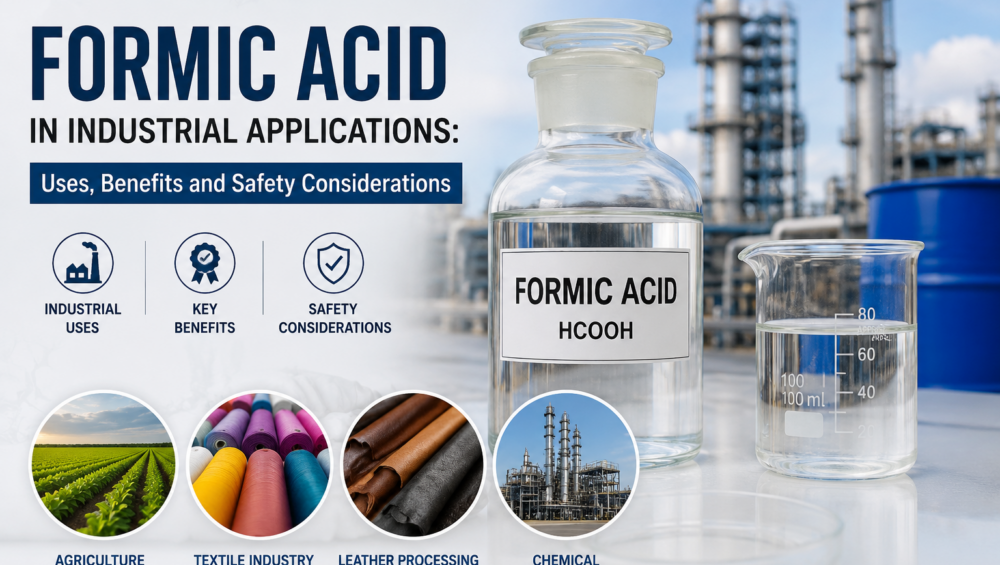
Formic Acid in Industrial Applications: Uses, Benefits and Safety Considerations | SNDBCategoriesFormic Acid

Formic Acid in Industrial Applications: Uses, Benefits and Safety Considerations | SNDB

Formic acid is a versatile organic acid widely used across agriculture, textiles, leather processing, chemical manufacturing, and several other industrial sectors. Known for its strong acidic properties and relatively simple chemical structure, formic acid plays an important role in processes that require an effective acidifying, reducing, or preservative agent.

SNDB provides industrial chemical solutions for businesses that require quality and reliable raw materials for different manufacturing applications.

What Is Formic Acid?

Formic acid is the simplest carboxylic acid, with the chemical formula HCOOH. It is also known as methanoic acid. In its pure form, it is a colorless liquid with a sharp, pungent odor.

Formic acid is valued in industrial applications because of its acidity, solubility, and ability to participate in various chemical reactions. Depending on the required application, it can be supplied in different concentrations and grades.

Key Properties of Formic Acid

Some important characteristics of formic acid include:

  • Chemical formula: HCOOH
  • IUPAC name: Methanoic acid
  • Appearance: Colorless liquid
  • Molecular weight: Approximately 46.03 g/mol
  • Nature: Organic carboxylic acid
  • Odor: Strong and pungent
  • Solubility: Highly soluble in water
  • Acidity: Stronger than many common organic acids

These properties make formic acid suitable for applications where controlled acidity and chemical reactivity are required.

Major Industrial Applications of Formic Acid

1. Agriculture and Animal Feed

One of the important applications of formic acid is in the agricultural and animal-feed industries. It can be used as an acidifying and preservative agent in certain feed applications.

Formic acid helps create an acidic environment that can support feed preservation and reduce the growth of certain undesirable microorganisms. It is also used in silage treatment to support proper fermentation and preservation.

2. Textile Industry

Formic acid is used in several textile processing operations. Its acidic nature makes it useful for controlling pH during dyeing and finishing processes.

Maintaining the appropriate pH is important for achieving consistent results in textile production. Formic acid can therefore support controlled processing and improve process efficiency when used according to specific manufacturing requirements.

3. Leather Processing

The leather industry uses formic acid during different stages of leather processing, including pickling and pH adjustment.

Its ability to provide controlled acidity makes it useful for preparing hides and skins for subsequent processing steps. Proper use can contribute to consistent processing conditions and product quality.

4. Chemical Manufacturing

Formic acid is an important raw material and processing chemical in the chemical industry. It can participate in various chemical reactions and is used in the production of different chemical compounds.

Its reducing and acidic properties make it useful in specialized chemical manufacturing processes.

5. Rubber and Latex Processing

Formic acid can be used as a coagulant in natural rubber and latex processing. Controlled coagulation is essential for separating rubber from latex during manufacturing.

The concentration and processing conditions need to be carefully controlled to achieve the desired results.

6. Pharmaceuticals and Specialty Chemicals

Formic acid may be used as a processing agent or chemical intermediate in certain pharmaceutical and specialty-chemical manufacturing processes.

Because pharmaceutical and specialty chemical production requires strict quality control, the appropriate grade, concentration, purity, and handling procedures should always be followed.

7. Cleaning and Descaling Applications

Because of its acidic properties, formic acid can be used in selected industrial cleaning and descaling applications. It can help remove certain mineral deposits and residues from equipment and surfaces.

Its suitability depends on the material being cleaned and the specific formulation. Compatibility testing is recommended before large-scale use.

Benefits of Formic Acid in Industrial Processes

Formic acid offers several advantages for industrial users:

Effective Acidifying Agent

Its strong acidic nature allows formic acid to provide controlled pH adjustment in various industrial processes.

Versatile Applications

From agriculture and leather processing to textiles and chemical manufacturing, formic acid can serve multiple industrial purposes.

Good Water Solubility

Formic acid mixes readily with water, making it convenient for many aqueous industrial formulations and processes.

Useful Chemical Reactivity

Its chemical properties allow it to function as a reactant, processing aid, acidifying agent, or reducing agent depending on the application.

Supports Process Control

When used at appropriate concentrations, formic acid can help manufacturers maintain desired processing conditions and improve consistency.

Safety Considerations When Handling Formic Acid

Formic acid is a corrosive chemical and must be handled carefully. Direct exposure can cause irritation or burns to the skin and eyes, while inhalation of concentrated vapors can irritate the respiratory system.

Industrial users should follow the applicable Safety Data Sheet (SDS) and workplace chemical-safety procedures.

Important precautions include:

  • Use suitable chemical-resistant gloves and protective clothing.
  • Wear appropriate eye and face protection.
  • Ensure adequate ventilation during handling.
  • Avoid direct contact with skin and eyes.
  • Use appropriate containers and compatible equipment.
  • Store the chemical according to the supplier’s recommendations.
  • Keep emergency washing facilities accessible.
  • Train employees in proper chemical handling procedures.
  • Follow local regulations for storage, transportation, and disposal.

The exact safety requirements depend on the concentration, grade, quantity, and application.

Storage and Handling

Proper storage is essential for maintaining product quality and workplace safety. Formic acid should be stored in suitable, compatible containers in a well-ventilated area.

Containers should remain properly closed when not in use. Storage areas should be designed to minimize the risk of accidental exposure and should follow applicable chemical-storage regulations.

Before using formic acid in an industrial process, manufacturers should review the supplier’s technical documentation and SDS for specific handling and storage requirements.

Why Choose a Reliable Formic Acid Supplier?

Industrial production requires consistent chemical quality and dependable supply. Choosing a reliable supplier can help manufacturers maintain consistent production standards and reduce interruptions.

When selecting formic acid for industrial use, businesses should consider:

  • Product purity and grade
  • Required concentration
  • Quality specifications
  • Packaging options
  • Technical documentation
  • Safety Data Sheet availability
  • Supply consistency
  • Application requirements

A dependable supplier can help businesses select the appropriate product specification for their particular industrial process.

Formic acid is a versatile industrial chemical with applications across agriculture, animal feed, textiles, leather, rubber and latex, chemical manufacturing, pharmaceuticals, and industrial cleaning. Its strong acidity, water solubility, and chemical reactivity make it valuable for processes requiring controlled acidity or specific chemical reactions.

However, formic acid must be handled responsibly because concentrated material can be corrosive. Proper PPE, ventilation, storage, training, and adherence to the relevant SDS are essential for safe industrial use.

SNDB focuses on providing chemical products and solutions for industrial requirements, helping businesses source materials according to their application and quality specifications.
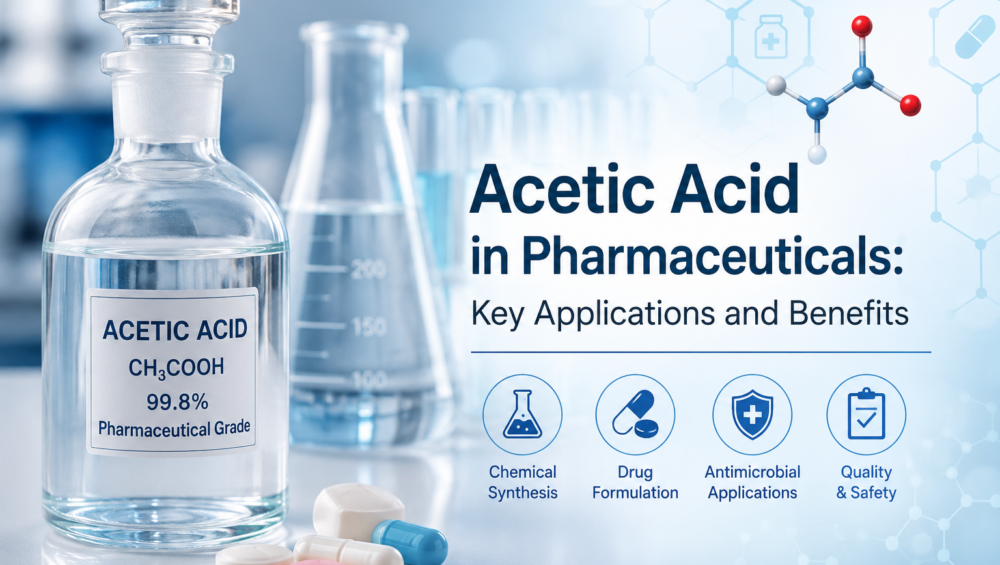
Acetic Acid in Pharmaceuticals: Key Applications and BenefitsCategoriesAcid

Acetic Acid in Pharmaceuticals: Key Applications and Benefits

Acetic acid is one of the most important organic compounds used across various industries, including pharmaceuticals. Known for its versatility, purity, and effectiveness, acetic acid plays a crucial role in drug manufacturing, chemical synthesis, formulation development, and laboratory research. Pharmaceutical-grade acetic acid is highly refined and meets strict quality standards, making it suitable for use in medicinal products and healthcare applications.

As the pharmaceutical industry continues to expand globally, the demand for high-quality acetic acid has increased significantly due to its essential role in producing active pharmaceutical ingredients (APIs) and other healthcare products.

What is Acetic Acid?

Acetic acid (CH₃COOH) is a colorless organic acid with a distinctive pungent odor. It is the primary component responsible for the sour taste and smell of vinegar. However, pharmaceutical-grade acetic acid is manufactured under highly controlled conditions to achieve exceptional purity levels required for medical and pharmaceutical applications.

Its unique chemical properties make it an indispensable raw material for numerous pharmaceutical processes.

Key Applications of Acetic Acid in Pharmaceuticals

1. Production of Active Pharmaceutical Ingredients (APIs)

One of the most important uses of acetic acid is in the synthesis of Active Pharmaceutical Ingredients (APIs). Many medications require acetic acid as a chemical intermediate during production. It helps facilitate chemical reactions necessary to create complex pharmaceutical compounds.

Acetic acid contributes to the manufacturing of:

  • Antibiotics
  • Anti-inflammatory drugs
  • Cardiovascular medications
  • Pain relievers
  • Antiviral medications

Its effectiveness as a reaction medium ensures high-quality pharmaceutical products.

2. Solvent in Drug Manufacturing

Acetic acid serves as an excellent solvent in pharmaceutical production. It helps dissolve various compounds during synthesis and purification processes. Due to its ability to mix with water and many organic substances, acetic acid improves manufacturing efficiency and product consistency.

Benefits of using acetic acid as a solvent include:

  • Enhanced reaction control
  • Improved product purity
  • Better yield during synthesis
  • Efficient extraction processes

3. Buffer Solutions and pH Regulation

Maintaining the correct pH level is critical in pharmaceutical formulations. Acetic acid is commonly used in buffer solutions to regulate acidity and ensure the stability of medicinal products.

Applications include:

  • Injectable medications
  • Oral liquid formulations
  • Eye drops
  • Laboratory reagents

Proper pH control helps improve drug effectiveness and shelf life.

4. Manufacturing Acetate-Based Pharmaceuticals

Acetic acid is a key raw material for producing acetate compounds widely used in medicine. These compounds serve various therapeutic purposes and are incorporated into numerous pharmaceutical formulations.

Common acetate derivatives include:

  • Sodium acetate
  • Calcium acetate
  • Potassium acetate
  • Zinc acetate

These compounds are used in treatments related to electrolyte balance, kidney disorders, and nutritional supplementation.

5. Antimicrobial and Antiseptic Applications

Acetic acid possesses natural antimicrobial properties that make it useful in certain medical and healthcare applications. It has been utilized in specialized treatments and topical formulations to help manage bacterial growth.

Healthcare professionals may use acetic acid solutions for:

  • Wound care applications
  • Ear infection treatments
  • Antiseptic formulations
  • Medical cleaning procedures

Its effectiveness against specific microorganisms contributes to improved patient care.

6. Laboratory and Research Applications

Pharmaceutical research laboratories rely on acetic acid for analytical testing, chemical synthesis, and formulation development. Researchers use it extensively in quality control and drug discovery programs.

Applications include:

  • Chromatography procedures
  • Chemical analysis
  • Research experiments
  • Drug formulation studies

Its reliability and chemical stability make it a valuable laboratory reagent.

Benefits of Acetic Acid in the Pharmaceutical Industry

High Purity Standards

Pharmaceutical-grade acetic acid is manufactured according to stringent quality requirements, ensuring safety and consistency in medical products.

Excellent Chemical Stability

Acetic acid remains stable under controlled conditions, making it suitable for long-term pharmaceutical applications.

Versatile Applications

From API production to formulation development, acetic acid serves multiple functions within pharmaceutical manufacturing processes.

Cost-Effective Production

Its widespread availability and efficient manufacturing processes help pharmaceutical companies maintain cost-effective operations.

Improved Drug Quality

By supporting purification, synthesis, and formulation processes, acetic acid contributes to the production of high-quality medications.

Safety and Handling Considerations

While acetic acid offers numerous benefits, proper handling is essential in pharmaceutical environments. Manufacturers must follow strict safety protocols to prevent exposure and ensure workplace safety.

Key precautions include:

  • Use of protective equipment
  • Proper ventilation systems
  • Secure storage containers
  • Compliance with pharmaceutical regulations

Following these practices helps maintain product quality and employee safety.

Future Outlook of Acetic Acid in Pharmaceuticals

The pharmaceutical industry is expected to witness continued growth driven by increasing healthcare demands, technological advancements, and expanding drug development programs. As a result, the need for high-purity acetic acid will continue to rise.

Emerging applications in biotechnology, advanced drug formulations, and specialty pharmaceuticals are creating new opportunities for acetic acid manufacturers and suppliers worldwide.

Acetic acid plays a vital role in the pharmaceutical industry, supporting everything from API synthesis and solvent applications to pH regulation and research activities. Its versatility, reliability, and effectiveness make it an indispensable component in modern drug manufacturing.

As pharmaceutical innovation continues to evolve, acetic acid will remain a critical raw material that helps ensure the production of safe, effective, and high-quality medicines for patients around the world.

SNDB best manufacturer and supplier and exporter

SNDB: Best Manufacturer, Supplier, and Exporter of Hydrogen PeroxideCategoriesHydrogen Peroxide

SNDB | Hydrogen Peroxide: Environmental and Industrial Applications

Hydrogen Peroxide (H₂O₂) is a widely used chemical known for its powerful oxidizing properties. It plays an important role in both environmental protection and industrial processes. Because it breaks down into water and oxygen, it is often considered an environmentally friendly alternative to more harmful chemicals.

Environmental Applications

One of the most important environmental uses of hydrogen peroxide is in water and wastewater treatment. It helps remove pollutants, eliminate unpleasant odors, and reduce the presence of harmful organic compounds. Because it decomposes into harmless by-products, it supports cleaner and safer water treatment processes.

Hydrogen peroxide is also used in soil remediation. Contaminated soil can be treated with controlled doses of hydrogen peroxide to break down pollutants such as petroleum hydrocarbons. This helps restore soil quality without introducing toxic residues.

In addition, hydrogen peroxide plays a role in air pollution control. Industries use it to help neutralize harmful gases and odors, contributing to cleaner air emissions.

Industrial Applications

In industrial settings, hydrogen peroxide is used in a wide range of processes:

Pulp and Paper Industry: It is commonly used as a bleaching agent in paper production, helping to whiten paper without relying on chlorine-based chemicals. This reduces harmful environmental impacts.

Textile Industry: Hydrogen peroxide is used to bleach fabrics, especially cotton, to achieve brighter and cleaner textiles in an eco-friendly way.

Chemical Manufacturing: It serves as a key ingredient in producing other chemicals, such as peroxides and oxidizing agents. It also plays a role in various synthesis reactions.

Electronics Industry: Hydrogen peroxide is used for cleaning and etching electronic components, including semiconductors and circuit boards, due to its strong oxidizing properties.

Food Industry: It is sometimes used for sterilization of packaging materials and surfaces in food processing environments to maintain hygiene standards.

Advantages of Using Hydrogen Peroxide

Hydrogen peroxide is valued for its environmentally friendly profile. Unlike many traditional chemicals, it decomposes into water and oxygen, reducing the risk of harmful residues. Its effectiveness at low concentrations makes it both economical and environmentally responsible.

Safety Considerations

Although hydrogen peroxide is considered safer than many industrial chemicals, it must still be handled carefully. Concentrated solutions can cause skin and eye irritation, and improper storage may lead to decomposition or pressure buildup. Proper handling procedures are necessary in both industrial and household use.

Hydrogen peroxide is an important chemical with a wide range of environmental and industrial applications. Its strong oxidizing properties, combined with its environmentally friendly decomposition, make it a valuable tool in water treatment, pollution control, manufacturing, and many other fields. When used responsibly, hydrogen peroxide supports cleaner production processes and environmental protection.

SNDB has emerged as one of the best manufacturers, suppliers, and exporters of hydrogen peroxide due to its commitment to quality, innovation, and sustainability. With a wide product range, global presence, and customer-focused services, the company continues to play a significant role in the chemical industry.

As demand for eco-friendly and efficient chemicals grows, SNDB remains a reliable partner for industries seeking high-quality hydrogen peroxide solutions.

SNDB – Trusted Manufacturer & Supplier of Industrial and Pharma-Grade Formic AcidCategoriesFormic Acid

Affordable Formic Acid with Premium Quality – SNDB Trusted Supplier

Businesses are continuously searching for high-quality, reasonably priced chemical solutions in the cutthroat industrial environment of today. One brand sticks out in the market for formic acid: SNDB, a reliable supplier and manufacturer renowned for providing both affordability and superior quality.

What is Formic Acid?

The most basic carboxylic acid, formic acid (HCOOH), is utilized extensively in many different sectors. It is now an essential chemical in the textile, leather, rubber, agriculture, and chemical processing industries due to its potent antibacterial qualities and superior preservation capabilities.

Why Choose SNDB for Formic Acid?

  1. Premium Quality Assurance
    SNDB ensures that every batch of Formic Acid meets international safety and purity standards, making it suitable for industrial as well as commercial applications.
  2. Affordable Pricing
    Unlike many suppliers who compromise on price or quality, SNDB strikes the perfect balance – providing top-grade Formic Acid at competitive rates.
  3. Trusted Supply Chain
    With a strong network and timely delivery system, SNDB has become a reliable partner for industries across India and abroad.
  4. Customized Solutions
    SNDB understands that different industries require different grades and concentrations of Formic Acid, offering tailor-made solutions for clients.

Applications of Formic Acid Supplied by SNDB

  • Agriculture – Used as a preservative in animal feed and silage.
  • Leather Industry – Essential for tanning and dyeing processes.
  • Textiles – Acts as a dyeing and finishing agent.
  • Rubber Industry – Helps in latex coagulation.
  • Chemicals – Used in various formulations and production processes.

SNDB – The Name You Can Trust

With years of experience, SNDB has established itself as one of the top producers and distributors of formic acid. The business guarantees that customers always receive high-quality, reasonably priced chemical solutions by fusing cutting-edge production technology with stringent quality controls.

SNDB is your best bet if you’re looking for premium formic acid at a reasonable cost. SNDB remains a valued leader in the chemical business thanks to its high standards, dependable supply, and customer-focused services.

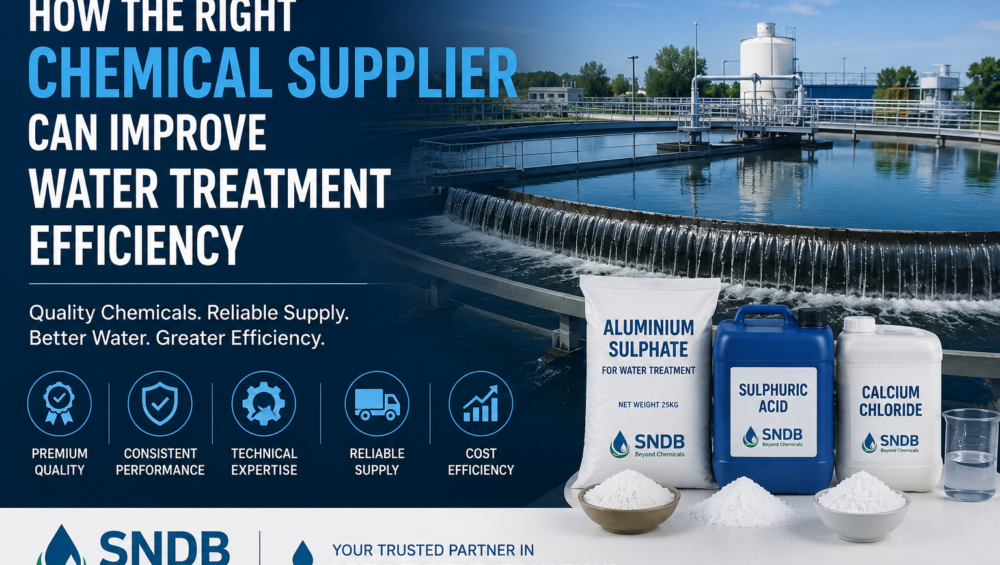
How the Right Chemical Supplier Can Improve Water Treatment EfficiencyCategoriesAcid

How the Right Chemical Supplier Can Improve Water Treatment Efficiency

Water is one of the most valuable resources for industries, municipalities, and commercial facilities. Whether it is used in manufacturing, power generation, food processing, pharmaceuticals, or municipal water treatment plants, maintaining high water quality is essential for operational efficiency and environmental compliance. While advanced treatment systems play a significant role, the quality of water treatment chemicals and the reliability of the supplier are equally important.

Choosing the right chemical supplier can significantly improve water treatment efficiency, reduce operational costs, ensure regulatory compliance, and extend the lifespan of treatment equipment. A trusted supplier not only provides premium-quality chemicals but also offers technical expertise, consistent supply, and customized solutions tailored to your industry’s needs.

Why Chemical Quality Matters

The effectiveness of any water treatment process depends on the quality of the chemicals used. Low-quality or inconsistent chemicals can lead to poor coagulation, inefficient sedimentation, increased sludge production, equipment scaling, and higher operating costs.

High-quality water treatment chemicals offer several advantages:

  • Faster and more effective contaminant removal
  • Consistent treatment performance
  • Lower chemical consumption
  • Reduced maintenance costs
  • Improved equipment efficiency
  • Better compliance with environmental regulations

Using premium-grade chemicals ensures that your treatment process operates smoothly and delivers reliable results.

Consistent Supply Ensures Uninterrupted Operations

Water treatment facilities cannot afford unexpected chemical shortages. Delays in supply can disrupt production, increase downtime, and impact water quality.

A reliable chemical supplier maintains strong manufacturing capabilities, adequate inventory, and efficient logistics to ensure timely deliveries. Consistent product availability helps industries maintain continuous operations without interruption.

Technical Expertise Makes a Difference

A professional chemical supplier offers more than just products. Experienced suppliers understand different water treatment challenges and recommend the most suitable chemical solutions based on water characteristics and industrial requirements.

Technical support may include:

  • Water quality analysis
  • Product recommendations
  • Dosage optimization
  • Process improvement suggestions
  • Troubleshooting treatment issues
  • Regulatory guidance

This expertise helps industries improve treatment performance while reducing unnecessary chemical usage.

Access to High-Performance Water Treatment Chemicals

A dependable supplier offers a comprehensive range of water treatment chemicals suitable for different industries, including:

  • Aluminium Sulphate
  • Ferric Alum
  • Sulphuric Acid
  • Calcium Chloride
  • Coagulants
  • Flocculants
  • pH Control Chemicals
  • Industrial Process Chemicals

Having multiple products available from one trusted supplier simplifies procurement and ensures product compatibility.

Improved Cost Efficiency

Many businesses focus only on chemical prices when selecting a supplier. However, the lowest-priced product is not always the most economical option.

High-quality chemicals often require lower dosages, perform more efficiently, reduce equipment maintenance, and minimize treatment failures. This results in lower overall operating costs and higher long-term savings.

Compliance with Industry Standards

Industries must comply with strict environmental and safety regulations regarding water discharge and chemical handling.

A trusted supplier manufactures chemicals according to established quality standards and provides:

  • Quality certifications
  • Technical data sheets
  • Safety Data Sheets (SDS)
  • Batch consistency
  • Regulatory compliance documentation

These documents help industries meet government and environmental requirements with confidence.

Customized Solutions for Different Industries

Different industries require different water treatment approaches. A knowledgeable supplier understands these unique requirements and recommends suitable products for applications such as:

  • Municipal water treatment
  • Wastewater treatment plants
  • Paper manufacturing
  • Textile processing
  • Chemical manufacturing
  • Food and beverage industries
  • Power plants
  • Steel and metal processing

Customized solutions improve efficiency while reducing unnecessary chemical usage.

Reliable Customer Support

Excellent customer service is another important advantage of working with an experienced chemical supplier. Quick responses, technical assistance, and after-sales support help resolve operational challenges without unnecessary delays.

Strong customer relationships ensure businesses receive ongoing support as their treatment requirements evolve.

Why Choose SNDB as Your Water Treatment Chemical Supplier?

At SNDB, we are committed to delivering high-quality industrial acids and water treatment chemicals that meet the highest industry standards. Our products are manufactured using advanced production processes and undergo strict quality control to ensure consistent performance.

Our strengths include:

  • Premium-quality Aluminium Sulphate and industrial acids
  • Reliable manufacturing and timely delivery
  • Competitive pricing
  • Strict quality assurance
  • Technical guidance from experienced professionals
  • Customized chemical solutions for various industries
  • Long-term partnerships built on trust and reliability

Whether you operate a municipal water treatment plant or a large industrial facility, SNDB provides dependable chemical solutions designed to improve efficiency and operational performance.

The success of any water treatment process depends not only on the treatment system but also on the quality and consistency of the chemicals used. Choosing the right chemical supplier helps improve treatment efficiency, reduce operational costs, maintain regulatory compliance, and ensure uninterrupted production.

A trusted partner like SNDB delivers premium-quality water treatment chemicals, technical expertise, and reliable supply solutions that support long-term business success. Investing in the right supplier is an investment in better water quality, improved operational efficiency, and sustainable industrial growth.

How Nitric Acid is Produced: A Complete Guide to the Ostwald ProcessCategoriesNitric Acid

How Nitric Acid is Produced: A Complete Guide to the Ostwald Process

Nitric acid (HNO₃) is one of the most important industrial chemicals used worldwide. It plays a vital role in the production of fertilizers, explosives, dyes, pharmaceuticals, and numerous chemical compounds. The majority of commercial nitric acid is produced through the Ostwald Process, a highly efficient and widely adopted industrial method.

As a leading manufacturer, supplier, and exporter of industrial chemicals, SNDB is committed to delivering high-quality nitric acid products that meet international standards and diverse industrial requirements.

What is Nitric Acid?

Nitric acid is a strong mineral acid known for its highly corrosive and oxidizing properties. It is a colorless liquid that may develop a yellow tint due to the decomposition into nitrogen oxides over time. Industries rely heavily on nitric acid for manufacturing fertilizers, metal processing, and chemical synthesis.

Understanding the Ostwald Process

The Ostwald Process, developed by German chemist Wilhelm Ostwald in the early 20th century, is the primary industrial method used for producing nitric acid from ammonia.

The process consists of three major stages:

Step 1: Catalytic Oxidation of Ammonia

The process begins with the oxidation of ammonia (NH₃) using atmospheric oxygen in the presence of a platinum-rhodium catalyst at temperatures ranging from 800°C to 900°C.

Chemical Reaction:

4NH₃ + 5O₂ → 4NO + 6H₂O

This reaction produces nitric oxide (NO) and water vapor.

Step 2: Oxidation of Nitric Oxide

The nitric oxide formed in the first stage is further oxidized by atmospheric oxygen to produce nitrogen dioxide (NO₂).

Chemical Reaction:

2NO + O₂ → 2NO₂

Nitrogen dioxide is a reddish-brown gas and serves as an intermediate compound in nitric acid production.

Step 3: Absorption in Water

The nitrogen dioxide gas is then absorbed in water inside absorption towers, producing nitric acid.

Chemical Reaction:

3NO₂ + H₂O → 2HNO₃ + NO

The nitric oxide generated during this stage is recycled back into the process, making the Ostwald Process highly efficient and environmentally sustainable.

Advantages of the Ostwald Process

The Ostwald Process offers several advantages, including:

  • High production efficiency.
  • Large-scale commercial applicability.
  • Continuous operation capability.
  • Lower production costs.
  • Recycling of intermediate gases.
  • Consistent production of high-purity nitric acid.

These benefits make it the preferred industrial method for nitric acid manufacturing across the globe.

Industrial Applications of Nitric Acid

Nitric acid produced through the Ostwald Process is extensively used in various industries, including:

Fertilizer Manufacturing

Nitric acid is a key ingredient in producing ammonium nitrate fertilizers, which significantly improve agricultural productivity.

Explosives Industry

It is widely used in the manufacture of explosives for mining, construction, and defense applications.

Metal Processing

Industries use nitric acid for metal pickling, cleaning, etching, and refining processes.

Chemical Manufacturing

Nitric acid serves as a crucial raw material in producing dyes, pharmaceuticals, plastics, and specialty chemicals.

Safety Considerations in Nitric Acid Production

Since nitric acid is highly corrosive, strict safety measures are essential during manufacturing, storage, and transportation.

Important safety practices include:

  • Using corrosion-resistant equipment.
  • Wearing appropriate personal protective equipment (PPE).
  • Ensuring adequate ventilation.
  • Implementing proper storage protocols.
  • Following environmental and industrial safety regulations.

Why Choose SNDB for Nitric Acid?

SNDB has established itself as a trusted name in the chemical industry by delivering superior-quality nitric acid to customers worldwide. As a leading manufacturer, supplier, and exporter, SNDB focuses on quality, consistency, and customer satisfaction.

Why Industries Prefer SNDB:

  • Premium quality nitric acid products.
  • Advanced manufacturing facilities.
  • Strict quality control procedures.
  • Timely delivery across domestic and international markets.
  • Competitive pricing.
  • Customized packaging solutions.
  • Dedicated customer support.

With years of industry expertise and a commitment to excellence, SNDB continues to serve industries with reliable and high-performance chemical solutions.

The Ostwald Process remains the backbone of modern nitric acid production due to its efficiency, scalability, and sustainability. As demand for nitric acid continues to grow across industries, partnering with a reliable supplier becomes increasingly important.

SNDB stands as a trusted manufacturer, supplier, and exporter of high-quality nitric acid, offering dependable products that meet the evolving needs of industries worldwide.

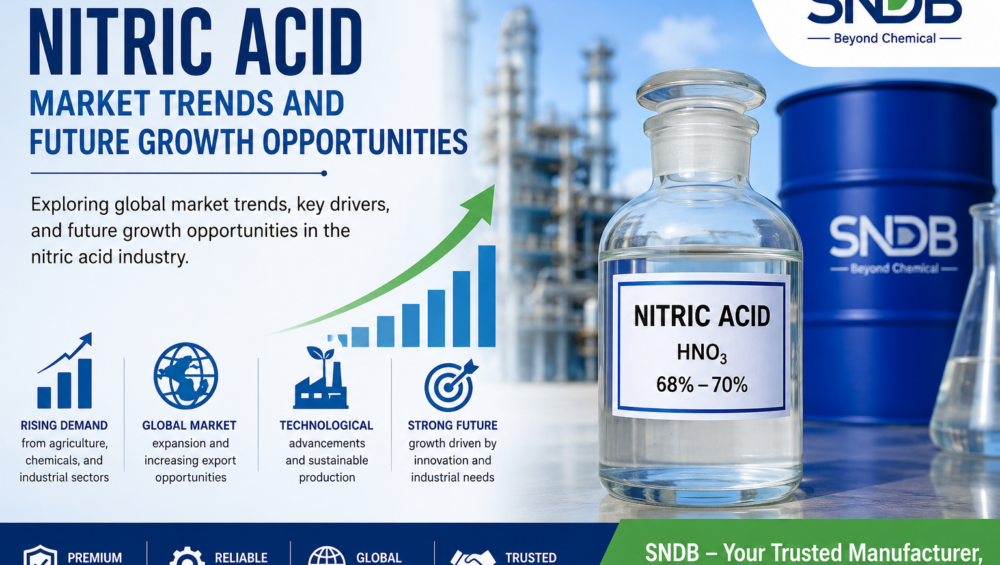
Nitric Acid Market Trends and Future Growth Opportunities: Why SNDB is a Trusted Manufacturer, Supplier, and ExporterCategoriesNitric Acid

Nitric Acid Market Trends and Future Growth Opportunities: Why SNDB is a Trusted Manufacturer, Supplier, and Exporter

Nitric acid is one of the most important industrial chemicals used worldwide. Known for its strong oxidizing properties, nitric acid plays a vital role in the production of fertilizers, explosives, pharmaceuticals, dyes, and various chemical compounds. As industrialization continues to grow globally, the demand for high-quality nitric acid is increasing significantly. Businesses across multiple sectors are seeking reliable manufacturers and suppliers who can consistently deliver premium-quality products.

Among the leading names in the chemical industry, SNDB has established itself as a trusted manufacturer, supplier, and exporter of nitric acid, serving diverse industrial requirements with quality and reliability.

Understanding the Growing Nitric Acid Market

The global nitric acid market has witnessed substantial growth over the past decade. Increasing agricultural activities, rising demand for fertilizers, and expanding chemical manufacturing industries have contributed significantly to market expansion.

Nitric acid is primarily used in the production of ammonium nitrate fertilizers, which are essential for improving agricultural productivity. As the world’s population grows, the need for higher crop yields continues to drive demand for nitric acid-based fertilizers.

Additionally, industries such as mining, metallurgy, automotive, pharmaceuticals, and electronics rely heavily on nitric acid for various manufacturing processes.

Key Nitric Acid Market Trends

1. Rising Demand from the Agricultural Sector

Agriculture remains the largest consumer of nitric acid globally. The growing focus on food security and enhanced crop production is increasing the demand for nitrogen-based fertilizers, particularly ammonium nitrate.

2. Expansion of Chemical Manufacturing

The chemical industry continues to expand rapidly, creating new opportunities for nitric acid manufacturers. Nitric acid is widely used in producing intermediates, specialty chemicals, dyes, pigments, and pharmaceuticals.

3. Growth in Metal Processing Industries

Nitric acid is extensively used for metal cleaning, etching, passivation, and refining. The increasing demand for stainless steel and advanced metal products is supporting market growth.

4. Technological Advancements in Production

Modern manufacturing technologies are helping producers improve efficiency, reduce emissions, and maintain consistent product quality. Sustainable production methods are becoming a key focus area for the industry.

5. Increasing Export Opportunities

Developing economies are experiencing significant industrial growth, creating strong export opportunities for nitric acid manufacturers capable of meeting international quality standards.

Future Growth Opportunities in the Nitric Acid Industry

The future of the nitric acid market looks promising due to several growth drivers:

  • Expansion of fertilizer production facilities worldwide.
  • Increased investments in chemical manufacturing infrastructure.
  • Growing demand from pharmaceutical and healthcare industries.
  • Rising use of nitric acid in electronics and semiconductor manufacturing.
  • Development of eco-friendly and energy-efficient production technologies.

As industries continue to evolve, the requirement for high-purity nitric acid is expected to increase, opening new opportunities for manufacturers and exporters.

Why Choose SNDB for Nitric Acid?

SNDB has earned a strong reputation as a reliable manufacturer, supplier, and exporter of nitric acid. The company is committed to delivering high-quality chemical solutions that meet diverse industrial requirements.

Premium Quality Products

SNDB follows strict quality control measures throughout the manufacturing process, ensuring consistent purity and performance.

Advanced Manufacturing Facilities

The company utilizes modern production technologies and industry best practices to maintain superior product standards.

Reliable Supply Chain

SNDB ensures timely delivery and efficient logistics management, helping customers maintain uninterrupted operations.

Competitive Pricing

By combining quality with affordability, SNDB provides cost-effective nitric acid solutions for businesses of all sizes.

Global Export Capabilities

As a trusted exporter, SNDB serves customers across various international markets while complying with global quality and safety standards.

Applications of Nitric Acid Supplied by SNDB

SNDB’s nitric acid is widely used in:

  • Fertilizer manufacturing
  • Chemical processing
  • Pharmaceutical production
  • Metal treatment and refining
  • Explosives manufacturing
  • Water treatment
  • Laboratory and research applications
  • Dye and pigment production

The nitric acid market is poised for continued growth, driven by increasing industrialization, agricultural expansion, and technological advancements. As demand rises across multiple sectors, partnering with a dependable manufacturer becomes essential for ensuring product quality and supply reliability.

SNDB stands out as a trusted manufacturer, supplier, and exporter of nitric acid, offering premium-quality products, reliable service, and industry expertise. Whether for domestic requirements or international markets, SNDB continues to support businesses with high-performance nitric acid solutions that meet the evolving needs of modern industries.

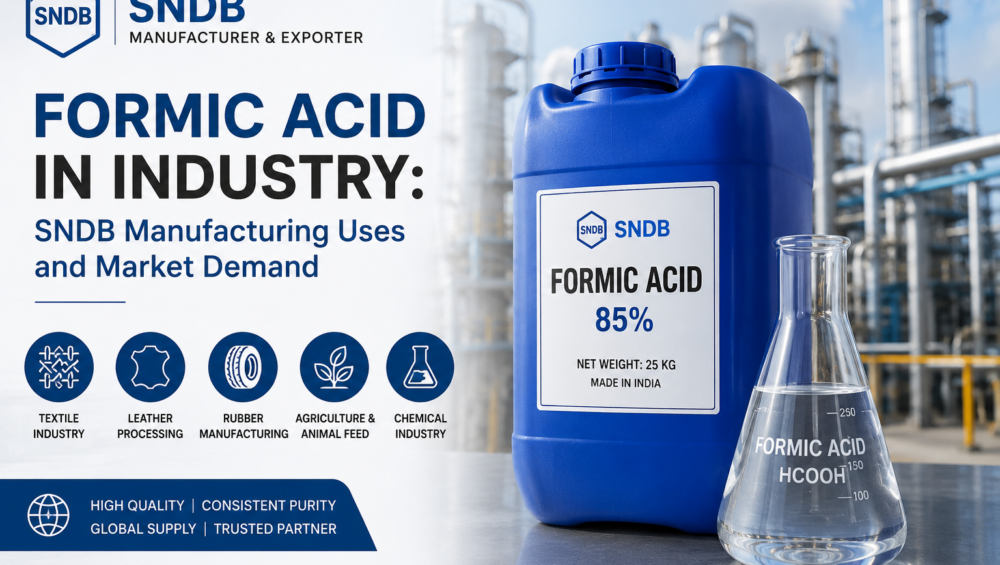
Formic Acid in Industry: SNDB Manufacturing Uses and Market DemandCategoriesFormic Acid

Formic Acid in Industry: SNDB Manufacturing Uses and Market Demand

Formic acid is one of the most important organic acids used across multiple industries due to its versatility, efficiency, and wide range of applications. With increasing industrial growth and global demand for specialty chemicals, formic acid has become an essential component in sectors such as textiles, leather processing, agriculture, rubber manufacturing, pharmaceuticals, and chemical production.

As a trusted manufacturer and exporter, SNDB focuses on delivering high-quality formic acid solutions that meet industrial standards and support businesses worldwide.

What is Formic Acid?

Formic acid (HCOOH) is the simplest carboxylic acid and is a colorless liquid with a strong odor. It is naturally found in certain insects and plants, but industrial production methods make it available for large-scale commercial use.

Due to its acidic properties, antibacterial characteristics, and effective processing capabilities, formic acid is widely used in manufacturing and industrial operations.

Industrial Uses of Formic Acid

1. Textile Industry Applications

The textile sector uses formic acid during dyeing, finishing, and fabric treatment processes. It helps maintain pH balance and improves dye absorption, resulting in better color consistency and fabric quality.

Manufacturers prefer formic acid because it supports efficient processing while maintaining production standards.

2. Leather Processing Industry

Formic acid plays a significant role in leather tanning and finishing. It assists in pH regulation during tanning operations and improves leather texture, flexibility, and durability.

Leather manufacturers use formic acid to enhance processing performance and achieve high-quality finished products.

3. Rubber Manufacturing

In the rubber industry, formic acid is used as a coagulating agent in natural rubber processing. It helps separate rubber particles effectively and contributes to improved production efficiency.

This application makes formic acid an important chemical for rubber processing facilities worldwide.

4. Agriculture and Animal Feed

Formic acid is widely used in agricultural applications and animal feed preservation. It helps reduce bacterial growth, supports feed quality, and extends storage life.

Its use in silage preservation and feed treatment has increased due to growing demand for efficient agricultural solutions.

5. Chemical Manufacturing

Formic acid serves as an intermediate chemical in the production of various compounds, including cleaning agents, pharmaceuticals, and industrial chemicals.

Its adaptability makes it a valuable material for chemical processing plants and industrial manufacturers.

SNDB Manufacturing Standards for Formic Acid

SNDB emphasizes quality manufacturing processes to produce formic acid suitable for industrial applications. Production systems are designed to maintain product consistency, purity levels, and performance standards.

Key manufacturing advantages include:

  • High-quality raw material selection
  • Consistent product specifications
  • Industrial-grade purity standards
  • Reliable export supply chain management
  • Quality-focused production processes

These factors help meet the needs of domestic and international customers.

Growing Market Demand for Formic Acid

Global demand for formic acid continues to increase because of expanding industrial sectors and rising chemical consumption.

Several factors are driving market growth:

Expansion of Textile Manufacturing

The growing textile industry increases demand for chemicals used in dyeing and finishing processes.

Growth in Leather Production

Leather processing facilities require efficient chemical solutions, boosting formic acid consumption.

Agricultural Development

Modern farming and feed preservation techniques support higher usage of formic acid products.

Rising Chemical Industry Applications

Industrial production and specialty chemical manufacturing create continuous demand in global markets.

As industries expand, the need for reliable manufacturers and exporters becomes increasingly important.

Why Industries Choose SNDB

SNDB focuses on quality manufacturing, efficient production methods, and international supply capabilities. By maintaining industry standards and supporting multiple sectors, SNDB aims to provide dependable formic acid solutions for industrial customers.

The company serves applications across:

  • Textile manufacturing
  • Leather processing
  • Rubber industries
  • Agriculture sector
  • Chemical production plants
  • Export markets

Formic acid remains a key industrial chemical with applications across numerous sectors. Its role in textiles, leather, agriculture, rubber processing, and chemical manufacturing continues to strengthen global demand.

With growing market opportunities and increasing industrial requirements, SNDB contributes by providing quality manufacturing and export solutions designed for modern industries. Reliable production practices and consistent quality make formic acid an essential product for businesses seeking efficient chemical applications.

The Role of Hydrochloric Acid in Steel Pickling OperationsCategoriesHydrochloric acid

The Role of Hydrochloric Acid in Steel Pickling Operations

Hydrochloric Acid (HCl) plays a crucial role in the steel manufacturing industry, particularly in steel pickling operations. Steel surfaces often develop rust, scale, and oxide layers during hot rolling and heat treatment processes. These impurities can affect the quality, appearance, and performance of steel products. Hydrochloric Acid is widely used to remove these unwanted layers efficiently, ensuring a clean and smooth steel surface ready for further processing.

As a trusted manufacturer, supplier, and exporter of Hydrochloric Acid, SNDB provides high-quality chemical solutions that meet the diverse requirements of steel processing industries worldwide.

What is Steel Pickling?

Steel pickling is a chemical treatment process used to remove surface impurities such as rust, mill scale, oxides, and stains from steel products. The process involves immersing steel in a Hydrochloric Acid solution, which dissolves these unwanted layers without damaging the underlying metal.

The result is a clean and reactive steel surface that is suitable for galvanizing, coating, painting, welding, and other manufacturing processes.

Why Hydrochloric Acid is Preferred for Steel Pickling

Hydrochloric Acid is one of the most effective chemicals used in steel pickling due to several advantages:

Fast and Efficient Cleaning

Hydrochloric Acid reacts quickly with iron oxides and rust, significantly reducing pickling time and improving productivity.

Superior Surface Quality

The acid removes contaminants thoroughly, leaving behind a clean and smooth steel surface that enhances coating adhesion and overall product quality.

Lower Operating Temperatures

Unlike some alternative acids, Hydrochloric Acid can perform effectively at lower temperatures, helping industries reduce energy consumption and operating costs.

Improved Production Efficiency

Faster cleaning cycles allow manufacturers to increase throughput and maintain consistent production schedules.

Applications of Hydrochloric Acid in the Steel Industry

Hydrochloric Acid is extensively used in:

  • Steel pickling lines
  • Galvanizing plants
  • Wire manufacturing
  • Steel tube production
  • Cold rolling mills
  • Surface preparation before coating and painting
  • Metal fabrication industries

Its ability to efficiently remove oxide layers makes it indispensable across various steel processing operations.

Benefits of Using High-Quality Hydrochloric Acid

The quality of Hydrochloric Acid directly impacts pickling performance and production efficiency. High-purity Hydrochloric Acid offers:

  • Consistent chemical performance
  • Reduced process interruptions
  • Better steel surface finish
  • Lower maintenance costs
  • Enhanced operational safety
  • Improved product quality

Choosing a reliable Hydrochloric Acid supplier ensures uninterrupted production and optimal results.

SNDB: Trusted Manufacturer, Supplier, and Exporter of Hydrochloric Acid

SNDB is recognized as a leading manufacturer, supplier, and exporter of premium-quality Hydrochloric Acid for industrial applications. With a commitment to quality, consistency, and customer satisfaction, SNDB serves clients across steel processing, water treatment, chemical manufacturing, and various industrial sectors.

Why Choose SNDB?

  • High-purity Hydrochloric Acid
  • Advanced manufacturing processes
  • Strict quality control standards
  • Timely delivery and reliable supply
  • Competitive pricing
  • Export-quality products
  • Dedicated customer support

Our Hydrochloric Acid is manufactured to meet industry specifications and is trusted by steel manufacturers for efficient and reliable pickling operations.

Safety Considerations

While Hydrochloric Acid is highly effective, proper handling and storage are essential. Industries should use appropriate personal protective equipment (PPE), maintain adequate ventilation, and follow all safety guidelines during storage, transportation, and usage.

Hydrochloric Acid remains one of the most important chemicals in steel pickling operations due to its efficiency, speed, and ability to deliver superior surface quality. It helps steel manufacturers improve productivity, reduce operational costs, and achieve high-quality finished products.

For industries seeking a reliable Hydrochloric Acid solution, SNDB stands as a trusted manufacturer, supplier, and exporter committed to delivering exceptional quality and performance for steel processing applications worldwide.

The Role of Acetic Acid in Textile Manufacturing | SNDB – Leading Manufacturer, Supplier, and ExporterCategoriesAcid

The Role of Acetic Acid in Textile Manufacturing | SNDB – Leading Manufacturer, Supplier, and Exporter

The textile industry relies on a variety of chemicals to ensure high-quality fabric production, vibrant colors, and durable finishes. Among these essential chemicals, Acetic Acid plays a crucial role in multiple textile processing stages. From dyeing and printing to pH regulation and fabric finishing, acetic acid helps manufacturers achieve consistent and superior results.

As a trusted manufacturer, supplier, and exporter of Acetic Acid, SNDB provides high-quality products that meet the diverse requirements of textile industries worldwide.

What is Acetic Acid?

Acetic Acid (CH₃COOH) is a colorless organic acid with a distinctive pungent smell. It is widely used across industries, including textiles, pharmaceuticals, food processing, chemicals, and water treatment. In textile manufacturing, acetic acid is valued for its ability to regulate pH levels, enhance dye absorption, and improve fabric quality.

Importance of Acetic Acid in Textile Manufacturing

1. pH Control During Textile Processing

Maintaining the correct pH level is critical in textile production. Acetic acid helps create the ideal acidic environment required for various processing operations. Proper pH control ensures better chemical reactions, improved dye fixation, and reduced fabric damage.

2. Dyeing and Color Fastness

One of the most significant applications of acetic acid is in textile dyeing. It helps maintain the optimum pH level in dye baths, allowing dyes to bond effectively with fibers. This results in:

  • Uniform color distribution
  • Enhanced dye absorption
  • Improved color brightness
  • Better wash and light fastness

3. Printing Operations

Textile printing processes require precise pH management for achieving sharp and vibrant patterns. Acetic acid stabilizes printing solutions and enhances the quality of printed fabrics by ensuring consistent color development.

4. Neutralization Process

After bleaching and other alkaline treatments, fabrics often contain residual alkali. Acetic acid is used to neutralize these residues, preventing damage to fibers and preparing fabrics for subsequent processing stages.

5. Fabric Finishing

Acetic acid contributes to fabric finishing processes by helping maintain the desired chemical balance. This results in softer textures, improved appearance, and enhanced durability of finished textile products.

Benefits of Using Acetic Acid in Textile Industries

Improved Dye Performance

Acetic acid ensures optimal dye uptake, leading to vibrant and long-lasting colors.

Enhanced Fabric Quality

Proper pH regulation minimizes fiber damage and preserves fabric strength.

Cost-Effective Production

By improving dye efficiency and reducing chemical waste, acetic acid helps manufacturers optimize production costs.

Consistent Processing Results

Its reliable performance ensures uniformity across large-scale textile manufacturing operations.

Environmentally Responsible Usage

When used correctly, acetic acid supports efficient chemical processing with minimal environmental impact.

Why Textile Manufacturers Choose SNDB Acetic Acid

SNDB has established itself as a reliable manufacturer, supplier, and exporter of Acetic Acid by delivering products that meet international quality standards. Textile manufacturers choose SNDB because of:

  • High-purity Acetic Acid
  • Consistent product quality
  • Competitive pricing
  • Timely delivery worldwide
  • Advanced manufacturing facilities
  • Strict quality control procedures
  • Customized supply solutions for industrial requirements

Our commitment to excellence ensures that textile manufacturers receive a product that supports efficient production and superior fabric quality.

Global Supply and Export Excellence

SNDB serves customers across domestic and international markets with dependable Acetic Acid supply solutions. Our robust distribution network and export capabilities allow us to meet the growing demand from textile manufacturers worldwide.

Whether you require bulk quantities or customized industrial supply, SNDB is equipped to provide reliable and cost-effective solutions.

Acetic Acid is an indispensable chemical in textile manufacturing, contributing significantly to dyeing, printing, neutralization, and finishing processes. Its ability to regulate pH levels and improve dye performance makes it a vital component in achieving high-quality textile products.

As a leading manufacturer, supplier, and exporter of Acetic Acid, SNDB remains committed to delivering premium-quality products that support the evolving needs of the global textile industry. With a focus on quality, consistency, and customer satisfaction, SNDB continues to be a trusted partner for textile manufacturers around the world.