Acetic acid is one of the most important organic compounds used across various industries worldwide. Known for its versatility and effectiveness, acetic acid serves as a critical raw material in chemical manufacturing, pharmaceuticals, textiles, food processing, agriculture, and water treatment. Its unique chemical properties make it an indispensable component in numerous industrial processes.
As a leading manufacturer, supplier, and exporter of high-quality chemicals, SNDB provides premium-grade acetic acid to meet the diverse requirements of industries across domestic and international markets. Understanding the chemical properties of acetic acid helps businesses utilize this valuable compound more efficiently and safely.
What is Acetic Acid?
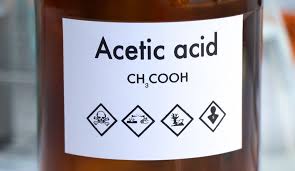
Acetic acid is a colorless organic liquid with the chemical formula CH₃COOH. It belongs to the carboxylic acid family and is primarily responsible for the sour taste and distinctive smell of vinegar. Industrial-grade acetic acid is widely used in chemical synthesis and manufacturing applications.
Basic Information
- Chemical Name: Acetic Acid
- Molecular Formula: CH₃COOH
- Molecular Weight: 60.05 g/mol
- Appearance: Clear, colorless liquid
- Odor: Strong, pungent vinegar-like smell
- Solubility: Completely soluble in water
Key Chemical Properties of Acetic Acid
1. Acidic Nature
Acetic acid is a weak organic acid that partially dissociates in water to release hydrogen ions. This acidic property makes it highly useful in pH control, chemical reactions, and industrial processing.
Industrial Relevance:
- Water treatment applications
- pH adjustment in manufacturing processes
- Chemical synthesis operations
- Food preservation systems
2. Excellent Solvent Properties
Acetic acid acts as an effective solvent for numerous organic and inorganic compounds. It helps dissolve materials that may not be easily soluble in water.
Industrial Relevance:
- Paint and coating production
- Ink manufacturing
- Adhesive production
- Chemical formulation processes
3. High Reactivity
Acetic acid readily reacts with alcohols, metals, bases, and various organic compounds, making it a valuable intermediate in chemical manufacturing.
Industrial Relevance:
- Ester production
- Pharmaceutical manufacturing
- Polymer synthesis
- Specialty chemical production
4. Hygroscopic Characteristics
Acetic acid can absorb moisture from the atmosphere, which contributes to its effectiveness in specific industrial applications.
Industrial Relevance:
- Chemical processing
- Laboratory applications
- Controlled manufacturing environments
5. Corrosive Properties
At higher concentrations, acetic acid exhibits corrosive behavior and requires proper handling and storage procedures.
Industrial Relevance:
- Industrial cleaning formulations
- Metal treatment processes
- Chemical processing facilities
6. Stability Under Controlled Conditions
Acetic acid remains chemically stable when stored under recommended conditions, ensuring consistent performance in industrial applications.
Industrial Relevance:
- Long-term storage
- International transportation
- Bulk industrial supply
- Manufacturing reliability
Industrial Applications of Acetic Acid
Chemical Manufacturing
Acetic acid serves as a primary raw material in the production of various chemical compounds, including acetate esters, acetic anhydride, and vinyl acetate monomer.
Textile Industry
The textile sector utilizes acetic acid in dyeing, finishing, and fabric treatment processes. It helps maintain proper pH levels and improves dye absorption.
Pharmaceutical Industry
Acetic acid plays a significant role in pharmaceutical production, acting as a reagent and intermediate in the manufacture of medicines and healthcare products.
Food and Beverage Industry
Food-grade acetic acid is widely used as a preservative, flavoring agent, and acidity regulator in various food products.
Agriculture Sector
Acetic acid finds applications in agricultural formulations, crop protection products, and soil treatment solutions.
Water Treatment
Industrial water treatment facilities use acetic acid for pH control and process optimization.
Advantages of Using High-Quality Acetic Acid
Selecting premium-quality acetic acid offers several benefits:
- Consistent chemical composition
- Enhanced production efficiency
- Improved product quality
- Reliable industrial performance
- Reduced operational risks
- Compliance with industry standards
Safety and Handling Considerations
To ensure safe use of acetic acid, industries should:
- Use appropriate personal protective equipment (PPE)
- Store in tightly sealed containers
- Maintain proper ventilation
- Follow recommended handling guidelines
- Train personnel on safety procedures
Why Choose SNDB for Acetic Acid?
SNDB has established itself as a trusted manufacturer, supplier, and exporter of high-quality acetic acid. With a commitment to quality, consistency, and customer satisfaction, SNDB delivers chemical solutions that meet international industry standards.
SNDB Advantages
- Premium quality products
- Advanced manufacturing facilities
- Stringent quality control measures
- Competitive pricing
- Timely delivery
- Global export capabilities
- Customized industrial solutions
- Dedicated customer support
Whether you require acetic acid for chemical manufacturing, pharmaceuticals, textiles, water treatment, or other industrial applications, SNDB provides reliable products designed to support your operational success.
The unique chemical properties of acetic acid make it one of the most valuable compounds in modern industry. Its acidic nature, solvent capabilities, reactivity, and stability contribute to its widespread use across multiple sectors. By choosing a trusted manufacturer and supplier like SNDB, businesses can ensure access to high-quality acetic acid that delivers consistent performance and supports industrial growth.
For premium-grade acetic acid and dependable chemical solutions, SNDB remains the preferred choice for customers seeking quality, reliability, and excellence in chemical manufacturing and export services.